Solar Eclipse over Western Australia: Sailing the Kimberley Coast – with Smithsonian Journeys
In alliance with Smithsonian Journeys.
This cruise is part of a collection of PONANT voyages that are specially-tailored for English-speaking travelers who want to engage with the world. In addition to the usual elements of the PONANT experience, the listed price for these voyages includes transfers to and from the ship, talks and discussions aboard ship by world class experts, and a shore excursion or activity in each port of call that encourages guests to embrace the sights, sounds, tastes, and smells of the local environment and culture.
Australia’s The Kimberley is one of the world’s last great wilderness frontiers—a vast, sparsely populated region of sandstone escarpments, mangroves, and myriad islands. Wildlife thrives here, from saltwater crocodiles and sea turtles to dolphins, seabirds, and migratory whales. It is also home to some of Australia’s oldest Indigenous communities. This expedition from Darwin to Broome provides ample time to experience The Kimberley in all its variety, with the added attraction of a total solar eclipse.
Sailing west from Darwin, your first day is spent getting acquainted with the ship and its amenities and attending lectures and discussions with your Smithsonian experts and the ship's expedition team as Le Jacques Cartier cruises through the Timor Sea to reach the Bonaparte Archipelago. Bigge Island, the largest in this maze of islands stretching nearly 100 miles along the Kimberley coast and Swift Bay are famous for shelters and caves filled with stunning rock art paintings, some of which date back more than 12,000 years, and many of which, maintained by the Indigenous peoples of the region, are both cultural artifacts and part of a living heritage.
Your time in the Bonaparte Archipelago will be punctuated by perhaps the highlight of this expedition, when, on the morning of July 22, just off the coast of Bigge Island a Total Solar Eclipse begins at 9:17 a.m., at which time Le Jacques Cartier will be positioned within 50 miles of the point of greatest duration, where totality will last over 5 minutes and where, weather permitting, you may witness the corona.
On the sixth day of the voyage, enter one of the most scenic parts of the Kimberley coast—Prince Frederick Harbour and the Hunter River. This area is home to pristine forests containing as many as 18 different species of mangrove that support a rich diversity of fauna, including the iconic saltwater crocodile, white-bellied sea eagles, and kingfishers. Explore this remarkable environment by Zodiac® on excursions led by the ship's expert naturalists.
Careening Bay, so named because it is where the HMS Mermaid laid up for repairs in 1820, offers an opportunity to see the "Mermaid Boab"—the tree in which the crew of the Mermaid carved the ship's name and date, now grown to ten feet wide and listed as a National Heritage Site.
The next two days are devoted to witnessing the awesome power of The Kimberley's massive tidal movements. Montgomery Reef is a spectacular example of their impact—as the tide ebbs, the entire reef appears to rise from the ocean, and water cascades off the reef to reveal shallow lagoons, seagrass beds, and corals. Cruise along the reef in Zodiac®, spotting turtles, reef sharks, and rays. Further to the south and west, Talbot Bay is home to the "Horizontal Falls," which Sir David Attenborough has described as "one of the greatest wonders of the natural world.” The falls are created by two short and narrow gorges where tidal waters build up faster on one side or the other than they can flow through, producing a cascade up to 13 feet high and creating the conditions for an exciting ride on the tidal rapids.
The final day of the expedition is spent exploring the Lacepede Islands, a protected nature reserve and one of Australia’s most important seabird breeding grounds. The colony of Brown Boobies is possibly the largest in the world, and as many as 20,000 Roseate Terns have also been recorded here. Other bird species breeding on the islands include Masked Boobies, Australian Pelicans, Lesser Frigatebirds, Eastern Reef Egrets, Silver Gulls, and Crested, Bridled and Lesser Crested Terns. In addition to the bird population, the waters surrounding the islands are a nursery for green sea turtles. Landings are prohibited here, but the expedition team will lead Zodiac® tours to view the prolific wildlife.
Darwin is located in Australia’s Northern Territory which is also known as the “Top End”. It is the capital city and the most populated town of the Northern Territory. Darwin is a beautiful tropical city, a melting pot of people and cultures, over 50 different cultures live and work side by side that prides itself in its unique and friendly laid-back lifestyle. Come discover the town’s still recent history through its emblematic buildings such as the new Parliamant House opened in 1994, a magnificent example of tropical architecture or Admiralty House declared heritage place, a tropical-style home elevated on stilts that has survived two cyclones and numerous air raids.
During your journey at sea, make the most of the many services and activities on board. Treat yourself to a moment of relaxation in the spa or stay in shape in the fitness centre. Depending on the season, let yourself be tempted by the swimming pool or a spot of sunbathing. This journey without a port of call will also be an opportunity to enjoy the conferences or shows proposed on board, depending on the activities offered, or to do some shopping in the boutique or to meet the PONANT photographers in their dedicated space. As for lovers of the open sea, they will be able to visit the ship’s upper deck to admire the spectacle of the waves and perhaps be lucky enough to observe marine species. A truly enchanted interlude, combining comfort, rest and entertainment.
Named by Phillip Parker King in 1819 after The English Judge and royal commissioner John Thomas Bigge, Bigge Island is known as Wuuyuru to the Wunambal people of the Kimberley Coast. Wuuyuru is a significant site for Aboriginal people and is the resting place of the boss Wandjina Aarwarrndju. The easily accessible galleries are also home to more recent images of sailing ships and what appears to be figures smoking pipes. Some have suggested that this is evidence of first European contact with Aboriginal people on the Kimberley coast. Whether it was Dutch or English sailors of the 1600s, French sailors of the Baudin expedition or New South Wales surveyors such as Philip Parker King or John Lort Stokes of the early 1800s, we will never know. Join your expedition team ashore for a guided walk to a number of rock art galleries depicting the Wandjina style.
During your journey at sea, make the most of the many services and activities on board. Treat yourself to a moment of relaxation in the spa or stay in shape in the fitness centre. Depending on the season, let yourself be tempted by the swimming pool or a spot of sunbathing. This journey without a port of call will also be an opportunity to enjoy the conferences or shows proposed on board, depending on the activities offered, or to do some shopping in the boutique or to meet the PONANT photographers in their dedicated space. As for lovers of the open sea, they will be able to visit the ship’s upper deck to admire the spectacle of the waves and perhaps be lucky enough to observe marine species. A truly enchanted interlude, combining comfort, rest and entertainment.
The Bonaparte Archipelago, is a stunningly rugged maze of islands stretching almost 150 km along Western Australia's remote Kimberley coast. Its colour and scale conspire to take ones’ breath away. Its distant location has meant it has remained an unspoilt and remarkably pristine location to explore and experience. Phillip Parker King named “Swift's bay" after Jonathon Swift (1667-1745) the author of Gulliver’s travels. The ‘T’ shaped bay is composed of heavily fractured sandstone providing an abundance of rock shelters. On the walls of these shelters are examples of both Wandjina and Gwion Gwion style rock art. Join your expedition team ashore for a guided walk to a number of rock art galleries depicting these unique rock art styles.
Arguably one of the most scenic parts of the Kimberley coast, Prince Frederick Harbour and the Hunter River are lined with ancient rainforest pockets, pristine mangroves and mosaic sandstone cliffs. They are considered to be some of the most pristine mangrove forests in the world, containing up to 18 different species, supporting a rich and diverse fauna. The sandstone escarpment at the river mouth, known as “Kampamantiya” rises over 200 metres high before giving way to extensive mud banks and mangrove forests home to numerous bird species and the iconic saltwater crocodile. Our expert Expedition Team will share their knowledge with you as you explore this pristine mangrove environment by zodiac keeping a constant lookout for wildlife. You will also have the opportunity to reach the Mitchell Falls by helicopter from Naturalist Island beach.
Careening Bay was named by Lieutenant Phillip Parker King after his ship, HMC Mermaid, was careened there during his third voyage of discovery in 1820. King surveyed the western coast to complete the map initiated by Flinders 20 years earlier. The Mermaid had been leaking badly and King needed to find a shallow sandy bay where he could careen his boat to undertake repairs. At a high tide, on a warm September afternoon, he ran the Mermaid onto the sands. For ten days the Mermaid crew worked hard before refloating the vessel. The ship’s carpenter carved the name of the vessel and the year into a conspicuous boab tree. The famous boab tree is now 3 metres wide and National Heritage listed. A reminder of a by gone era of exploration!
Lying to the east of the Buccaneer archipelago, the ancient landscapes of Collier Bay have been shaped by the massive tidal movements the region is renowned for, creating a photographer’s paradise. With a tidal range exceeding 14 metres, recorded near Yule entrance at the southern end of the bay, they are among the largest in the world. This massive daily movement of water creates unique phenomena that occur nowhere else in the world. Nestled in the centre of the Bay is Montgomery Reef, the world’s largest inshore reef system. As the tide falls a raging torrent of water cascades off the top of the reef, creating turbulent ‘rivers’ and mini waterfalls. At the Southern end of the Bay, Talbot Bay is home to the world’s only ’Horizontal Falls’ described by Sir David Attenborough as “One of the greatest wonders of the natural world.” Hidden in the many caves and grottos of this ancient landscape are a multitude of ancient Rock Art galleries. Here you can find spectacular examples of the Wandjina and Gwion Gwion styles.
As we are at the mercy of weather and tide conditions in this region, the activities mentioned above are only possible experiences and can’t be guaranteed.
The Lacepede Islands are Western Australia’s most important breeding habitat for Green Turtles (Chelonia mydas), and have been named by BirdLife International as an Important Bird Area (IBA). The breeding colony of Brown Boobies is possibly the largest in the world. Up to 20,000 Roseate Terns have also been recorded here. Other birds breeding on the islands include Masked Boobies, Australian Pelicans, Lesser Frigatebirds, Eastern Reef Egrets, Silver Gulls, Crested, Bridled and Lesser Crested Terns, Common Noddies, Pied and Sooty Oystercatchers. Join your expedition team for a guided zodiac tour to view the prolific wildlife. Due to the sensitive nature of the environment, landings are prohibited on the Lacepede Islands.
Located in the northwest of the Kimberley region and in the far north of Western Australia, the town of Broome is reputed for its history and its glorious pearling era. The fascinating Chinatown district, which is the historic city centre, and the famous Japanese Cemetery, dates back to 1896, and has a past marked by the immigration of numerous Chinese and Japanese workers, attracted by the prosperous pearl industry at the end of the 19th century and at the beginning of the 20th century. Broome is also famous for the “Staircase to the Moon”, an optical illusion created by the Moon reflecting on the sand banks at low tide, like a staircase climbing up towards the sky, a unique spectacle provided by nature…
Itineraries are subject to change.
|
Book now |
Deluxe Stateroom
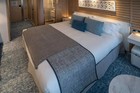
Prestige Stateroom Deck 4
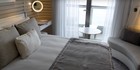
Prestige Stateroom Deck 5
Prestige Stateroom Deck 6
Deluxe Suite Deck 5
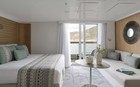
Deluxe Suite Deck 3
Deluxe Suite Deck 6
Deluxe Suite Deck 4
Prestige Suite Deck 5
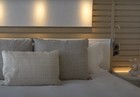
Prestige Suite Deck 6
Privilege Suite Deck 5
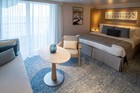
Privilege Suite Deck 6
Grand Deluxe Suite
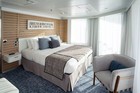
Owner's Suite
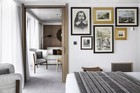
Vessel Type: Luxury
Passenger Capacity: 92 cabins
Built: 2018/2019
Le Jacques Cartier is the newest vessel in the PONANT Explorers series, blending contemporary French elegance with cutting-edge design and technology. Accommodating just 184 guests across 92 stylish staterooms and suites, the ship offers an intimate and refined cruising experience. Its sophisticated interiors feature open spaces filled with natural light, seamlessly connecting guests to the sea and surrounding landscapes. Expansive lounges, a theatre, and a swimming pool create inviting social areas, while the marina platform allows effortless access to Zodiac excursions and water activities.
On board, Le Jacques Cartier embodies the essence of French art de vivre through exceptional gastronomy, fine wines, and attentive service. Wellness facilities provide a sanctuary for relaxation, complementing days of discovery and exploration. Built with the latest environmental innovations, the ship reflects PONANT’s commitment to responsible and sustainable cruising. Whether sailing through tropical islands, ancient coastlines, or polar waters, Le Jacques Cartier delivers a journey defined by comfort, culture, and connection to the natural world.


Special Offers on Solar Eclipse over Western Australia
Online prices reflect the current brochure fare savings of up to 30%. Prices may change based on demand. Terms and conditions apply. This special offer is subject to availability. Please contact us for more details.
Inclusions
• Accommodation in stateroom
• The full meal plan
• The Open Bar: beginning with boarding, and during the duration of the cruise, a wide selection of drinks (mineral water, soft drinks, wine, beer, champagne, spirits, coffee, tea) is served on request and at any time of the day. Certain premium alcoholic beverages on the menu are not included in the Open Bar
• Free Wi-Fi internet access 24 hours a day*
• Activities offered during expedition cruises
• Access to all the common areas on board our sister ships and Ponant Explorers: fitness room, steam room, hair salon, swimming pool (sea water, heated), solarium, lounges, theater, boutique & leisure area
Exclusions
• Flights other than those mentioned in the itinerary
• Travel insurance
• Passport and visa costs if applicable
• Premium beverages package (Can be purchased on board)
• Optional Excursions where applicable
• Spa treatments on board
• Pre and post cruise accommodation unless otherwise stated
• Transfers unless specified
• Gratuities
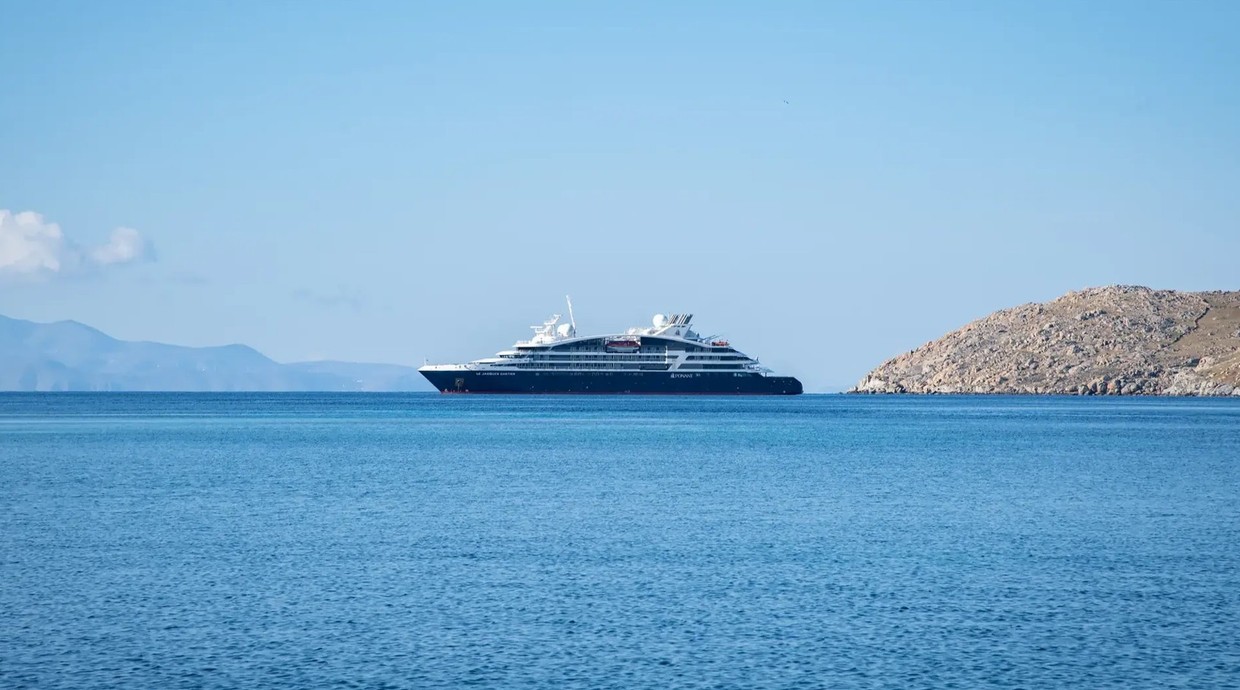
 Luxury Expedition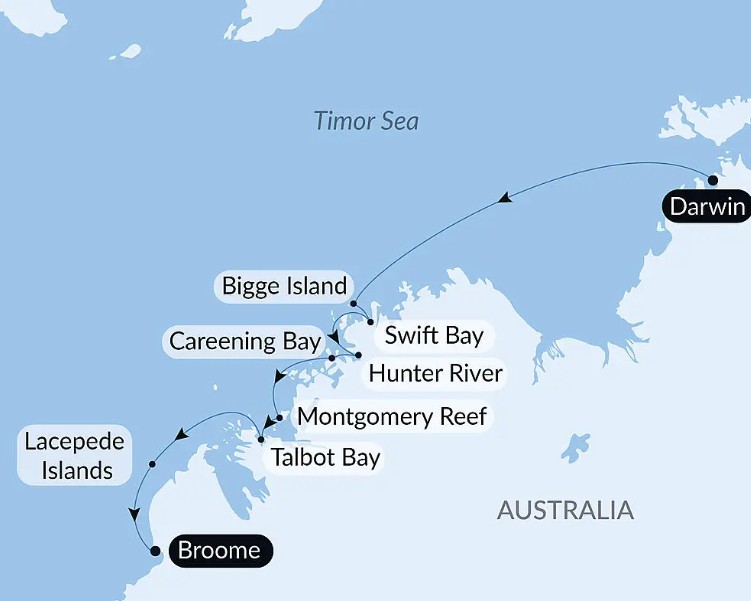
Highlights
• A voyage specially-tailored for English-speaking travelers including discussions with experts, transfers before and after your cruise, and an included activity in each port of call.• Engaging lectures and discussions on board with two Smithsonian Journeys Experts, including meteorologist Joe Rao and Brent Garry, a geologist at NASA’s Goddard Space Flight Center.
• A solar eclipse on July 22 with a totality of approximately 5 minutes.
• The wildlife haven of the Lacepede Islands.
• A Zodiac® safari on the Hunter River.
• Ancient Aboriginal Rock Art at Swift Bay.
• The natural wonder of Montgomery Reef.
Our Associates Include


