Vancouver Island’s Inside Passage Summer Cruise
Cruise the East Coast of Vancouver Island on a Boutique, Classic Ship
An amazing journey through the wild island archipelagos on Vancouver Island’s east coast. Highlights of Desolation Sound, Discovery Islands, and the Broughton Archipelago, including wildflowers, beaches, waterfalls, seabirds, marine mammals, rainforests, and exploring.
Highlights
• Spend a week cruising up Vancouver Island’s diverse coast with a world-class crew.
Day 1 Board at Campbell River, cruising into Desolation Sound. Afternoon shore trip or kayaking exploring our first Desolation Sound anchorage.
Day 2 Morning rainforest walk with naturalist. Experiencing scenic island channels, tidal rapids, and summer cruising with the Coast Mountains in backdrop. Exploring spectacular fjord by small boat. Evening beach walk, swimming, kayaking.
Day 3 Further exploring the islands and inlets of Desolation Sound and Discovery Islands.
Day 4 Cruising the back channels between the Discovery Islands and Johnstone Straight, watching for whales. As the landscape changes from the drier southern ecosystems to the northern rainforest, explore the differences on a rainforest walk.
Day 5 Visit boardwalk village of Telegraph Cove on Vancouver Island, and learn from whale research friends at the Whale Interpretive Centre. Explore Kwakwaka’wakw history and culture at Alert Bay including a private guided tour of the regalia collection. Exploring the marine mammals of the Broughton Archipelago.
Day 6 Exploring the remoter parts of the Broughton Archipelago islands off northeastern Vancouver Island, and its kelp forests, marine life, sea lions, beaches, inlets and outposts.
Day 7 Morning kayak, farewell brunch. Cruising to Port Hardy, watching for wildlife.
Itineraries are subject to change.
|
Book now |

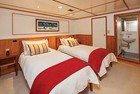
Category 1
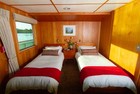
Category 2
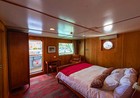
Category 3
Vessel Type: Catamaran
Passenger Capacity: 24
Length: 138 ft / 42 m
Built/Refurbished: 2007/2018/2019
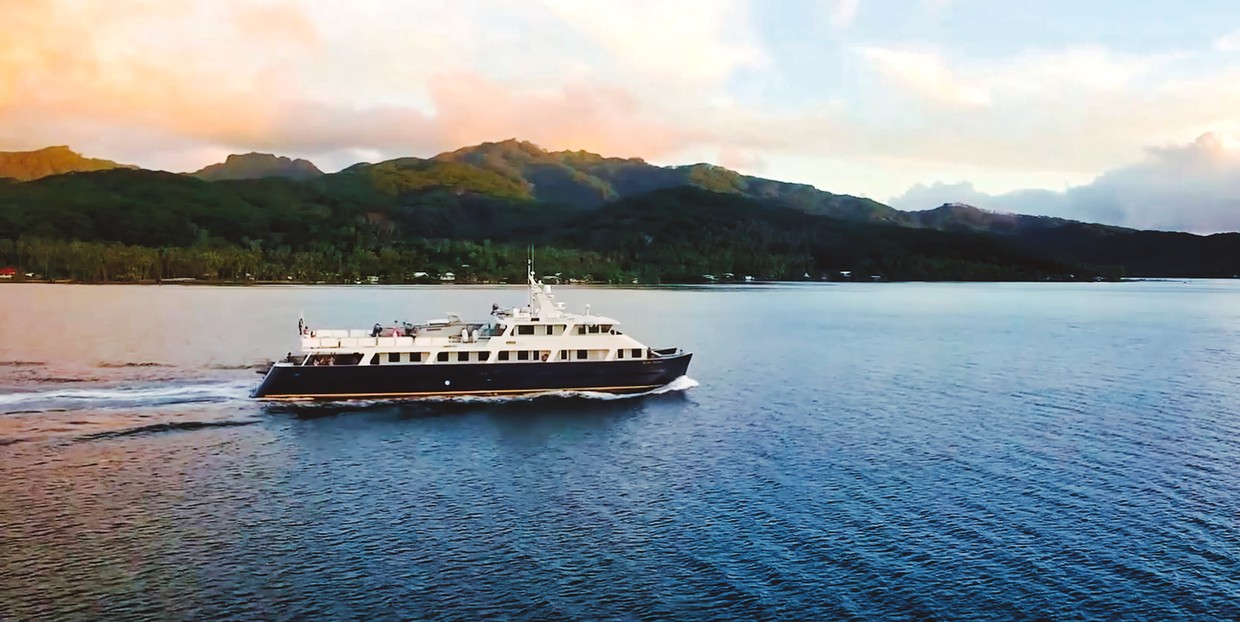
Cascadia is a 138-foot expedition catamaran built for small-group exploration along the wild British Columbia coast. She carries 24 guests in 12 outside cabins, each with windows, en-suite bathrooms and individual climate control. Four decks provide a mix of quiet corners and open viewing spaces: a protected salon with a bar, indoor and outdoor dining areas, a terrace lounge, and a top deck with loungers and a hot tub. The bridge is open to guests for 180-degree views and insight into navigation. Kayaks, custom landing craft, a hydrophone, and a natural history library support shore landings and wildlife encounters. The design leans on light, space and stability, allowing access to remote inlets while maintaining a comfortable, human-scale experience.
Cabin categories range from 160 to 235 square feet. Lower-deck and some main-deck cabins offer queen or twin beds and large portholes; mid-level cabins add more floor space, outside doors, generous windows and heated slate-floor bathrooms; the two bridge-deck suites are the largest, with king beds, extra seating and extensive natural light. All include storage, power outlets, bathrobes, and climate control. Mobility requirements centre on navigating stairs between decks and boarding shore boats via landing-craft ramps. Limitations apply for travellers with significant mobility impairments, but one main-deck cabin includes an accessible bathroom.


Inclusions
• All meals, snacks and beverages prepared from the freshest ingredients by our superb chef.
• Fine wines featured with the evening meal, and a limited amount of beer included and available throughout the trip. (Liquor is not a large part of our trips, so plan on light consumption).
• Services of our naturalist and professional crew.
• Shore excursions.
• Use of gear on board, including rubber boots, kayaks and fishing gear (with fishing licence).
• All accommodations on your vessel and, on trips with a land day, in a local lodging.
Exclusions
• The price does not include transportation to or from the starting and ending points of the Maple Leaf, Swell, and Cascadia trips, except for flights from Vancouver to the start of Cascadia’s Haida Gwaii trips and trips with a current Flight Promotion.
• Canadian trips are subject to a 5% Goods and Services Tax (GST), while Alaska trips are exempt.
• There is also a sustainability fee of $200 added to each fare on booking.
• Tipping for the crew is not included and is confidential and at your discretion.
• Fishing licenses are not included and must be acquired by guests wanting to fish prior to their trip.

Our Associates Include


