Desolation Sound - British Columbia Cruise
Explore the stunning waterways, fjords and islands of Desolation Sound, one of the world's most popular cruising destinations. Your small boat tour here in spring lets you experience the power of nature without the summer crowds. See the sample itinerary above, or the photo gallery below for more information. Download the brochure for all the details.
Highlights
• Spring in Desolation Sound: Discover the breathtaking waterways, fjords, and islands of Desolation Sound during spring, avoiding the summer crowds and experiencing the raw power of nature.
• Small Boat Adventure: Embark on a small boat tour and explore this popular cruising destination, known for its stunning landscapes and tranquil waters.
Welcome aboard in Campbell River and cruise to Cortez Island. Rainforest walk with naturalist. Small community visit. Welcome Dinner.
Cruise to spectacular Teakerne Arm on West Redonda Island. Here waterfalls plunge down a steep cut in the island’s cliffs, where we’ll moor. Dry rainforest and rocky buff walk to a lake with a picnic lunch. Cruising the scenic passages between West Rodonda and the mainland. Entering a small fjord at Roscoe Bay. Anchorage and beach walk and optional evening kayak.
Sail or cruise into Toba Inlet. This spectacular fjord, 35 km long, cuts deep into the coast mountains. As you cruise the snow-capped peaks tower above. Watch for seals and sea lions, seabirds and other animals. Evening arrive at Prideaux Haven, at the confluence of Malaspina Inlet and Homfray Channel.
Explore Prideaux Haven. Cruise the mainland shore to the Copeland Islands. Investigate the wildlife that live on these small islets by journeying ashore with your naturalist.
Cruise to Campbell River across the Strait of Georgia watching for wildlife. Possible sightings of bald eagles, seals, sea lions, and marine birds.
Note that as with all expedition cruises, the itinerary may change based on weather, wildlife activity, and interests of the guests. This itinerary is to give you a general idea of the trip.
|
Book now |

Cabin

|
Book now |
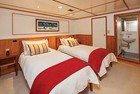
Category 1
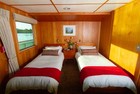
Category 2
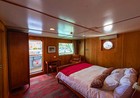
Category 3
|
Book now |
Cabins - Category 1

Cabin - Category 2, Option 1

Cabin - Category 2, Option 2

Cabin - Category 3

|
Book now |
Cabin
|
Book now |
Cabins - Category 1
Cabin - Category 2, Option 2
Cabin - Category 2, Option 1
Cabin - Category 3
|
Book now |
Cabin
|
Book now |
Cabins - Category 1
Cabin - Category 2, Option 1
Cabin - Category 2, Option 2
Cabin - Category 3
|
Book now |
Cabin
Vessel Type: Catamaran
Passenger Capacity: 24
Length: 138 ft / 42 m
Built/Refurbished: 2007/2018/2019
Cascadia is a 138-foot expedition catamaran built for small-group exploration along the wild British Columbia coast. She carries 24 guests in 12 outside cabins, each with windows, en-suite bathrooms and individual climate control. Four decks provide a mix of quiet corners and open viewing spaces: a protected salon with a bar, indoor and outdoor dining areas, a terrace lounge, and a top deck with loungers and a hot tub. The bridge is open to guests for 180-degree views and insight into navigation. Kayaks, custom landing craft, a hydrophone, and a natural history library support shore landings and wildlife encounters. The design leans on light, space and stability, allowing access to remote inlets while maintaining a comfortable, human-scale experience.
Cabin categories range from 160 to 235 square feet. Lower-deck and some main-deck cabins offer queen or twin beds and large portholes; mid-level cabins add more floor space, outside doors, generous windows and heated slate-floor bathrooms; the two bridge-deck suites are the largest, with king beds, extra seating and extensive natural light. All include storage, power outlets, bathrobes, and climate control. Mobility requirements centre on navigating stairs between decks and boarding shore boats via landing-craft ramps. Limitations apply for travellers with significant mobility impairments, but one main-deck cabin includes an accessible bathroom.


Vessel Type: Schooner
Length: 92f / 28m
Passenger Capacity: 8
Maple Leaf is a 92-foot wooden schooner built in 1904, designed for intimate coastal exploration with a maximum of eight guests. She offers a deeply personal, human-scale experience that prioritises direct engagement with the natural world, accessing remote coastlines, rivers and anchorages unreachable by larger ships. Accommodation is simple but warm: four semi-private sleeping areas, shared washrooms, and communal spaces centred on conversation, observation and shared meals prepared onboard. Stability under sail, long range, and a highly experienced crew make her exceptionally capable despite her modest size.
Constructed from Douglas fir, yellow cedar and mahogany, Maple Leaf blends working-vessel toughness with Edwardian craftsmanship and modern functionality. Life on board revolves around open decks, zodiac landings, kayaking, wildlife observation and, for those inclined, hands-on sailing under crew guidance. Her long history — from luxury yacht to high-performing halibut fishing vessel to pioneering expedition ship — gives the experience a sense of continuity and authenticity. Travel aboard Maple Leaf is immersive, physically engaging, and deliberately unpolished, favouring depth, access and presence over luxury conventions.


Vessel Type: Converted Tug
Passenger Capacity: 12
Length: 88 feet / 26.8 meters
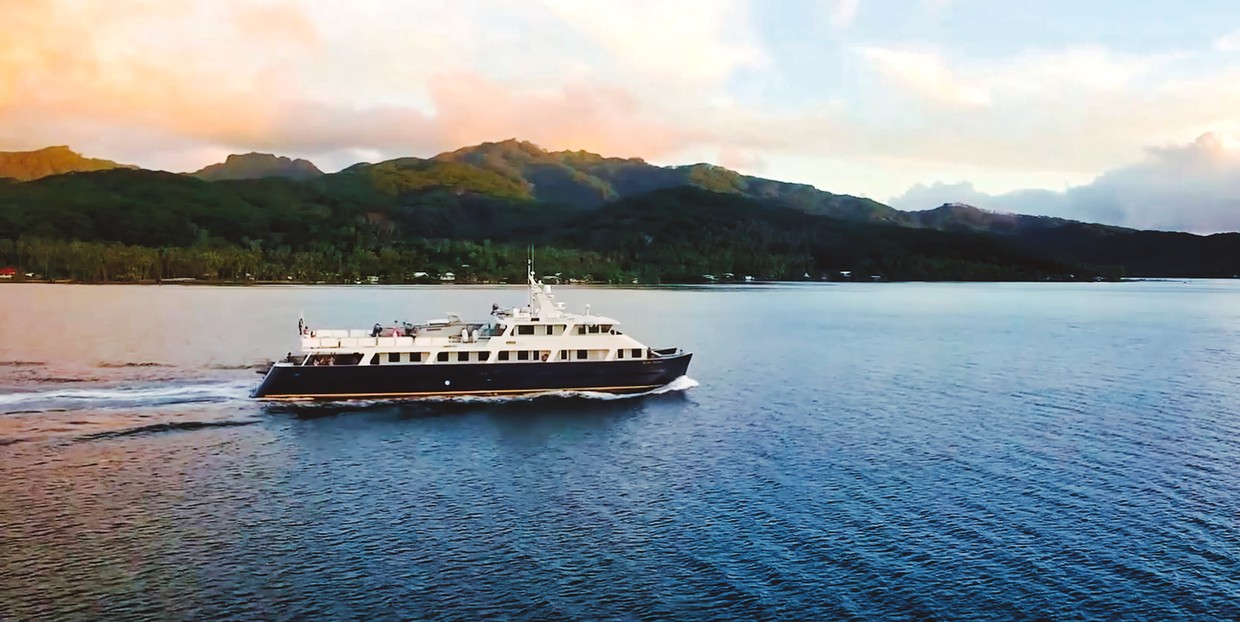
Swell is an 88-foot converted coastal tug refitted to deliver a warm, character-rich expedition experience. Her solid timber construction, classic lines and thoughtful interior upgrades create an atmosphere of authenticity paired with comfort. With just 12 guests across six private cabins, the ship offers an intimate environment supported by a small, expert crew. Spaces such as the wood-panelled salon, panoramic wheelhouse, covered aft deck lounges, and upper-deck viewing areas provide calm, inviting places to relax between shore excursions. Daily life revolves around well-crafted meals from the galley, quiet moments in the hot tub, wildlife watching from the bow and easy access to the coastline via Zodiacs and kayaks.
Her compact size and rugged build allow her to reach locations inaccessible to larger vessels, giving guests close contact with coastal ecosystems, remote anchorages and wildlife-rich shorelines. Purpose-designed expedition tools—including two rigid-hull inflatables, four clear-bottom kayaks, fishing gear and a hydrophone—support a wide range of activities. Cabins vary from generous suites to efficient, well-designed smaller rooms, all with private ensuites and exterior doors for direct connection to the outdoors. The result is a boutique expedition platform that blends maritime heritage with practical comfort, delivering a human-scale, highly immersive coastal cruising experience.


Inclusions
• All meals, snacks and beverages prepared from the freshest ingredients by our superb chef.
• Fine wines featured with the evening meal, and a limited amount of beer included and available throughout the trip. (Liquor is not a large part of our trips, so plan on light consumption).
• Services of our naturalist and professional crew.
• Shore excursions.
• Use of gear on board, including rubber boots, kayaks and fishing gear (with fishing licence).
• All accommodations on your vessel and, on trips with a land day, in a local lodging.
Exclusions
• The price does not include transportation to or from the starting and ending points of the Maple Leaf, Swell, and Cascadia trips, except for flights from Vancouver to the start of Cascadia’s Haida Gwaii trips and trips with a current Flight Promotion.
• Canadian trips are subject to a 5% Goods and Services Tax (GST), while Alaska trips are exempt.
• There is also a sustainability fee of $200 added to each fare on booking.
• Tipping for the crew is not included and is confidential and at your discretion.
• Fishing licenses are not included and must be acquired by guests wanting to fish prior to their trip.


Our Associates Include


