Newfoundland Circumnavigation - 12 Day Adventure Cruise
This circumnavigation of Newfoundland blends rugged coastlines, deep cultural history, and remote communities into a single, cohesive journey around Canada’s eastern edge. Beginning and ending in St. John’s, the voyage moves from the French charm of Saint-Pierre to the Indigenous heritage of Miawpukek, the isolated outport of Francois, and the wild southern coast. Days in Gros Morne reveal extraordinary geological landscapes, while Red Bay and L’Anse aux Meadows connect travellers with Basque whaling history and the earliest known Norse presence in North America. Along the northeast coast, small communities, maritime traditions, and ocean-shaped ways of life bring the island’s character into focus, forming a complete portrait of Newfoundland’s cultural and natural richness.
Highlights
• Experience Newfoundland hospitality all around the island
• Hike the spectacular Tablelands at Gros Morne National Park
• Get a taste of Europe on the French island of Saint-Pierre
• Visit the restored Viking habitation at L’Anse aux Meadows
• Experience our Taste of Place program
Welcome to St. John’s—Newfoundland’s historic, vibrant capital. Sailing out of the port of St. John’s, Signal Hill keeps watch as we exit the world-famous Narrows. The charming houses of the Battery are always a hit with shutterbugs. Watch for icebergs, whales, and seabirds as we sail!
The northeast coast of Newfoundland is known for the dozens of picturesque villages that dot its rocky shores and we’ll find harbour in one of these unique communities. We look forward to a characteristically warm Newfoundland welcome upon our arrival. Photographers will have their work cut out for them capturing all the special charm of classic island communities and picturesque coastlines.
L’Anse aux Meadows, a UNESCO World Heritage Site, is the only authenticated Norse settlement in North America. The archaeological remains found here in 1960 date to approximately 1000 CE. Amazingly, the location was first established by a close reading of the Viking sagas. Today, a superb interpretation centre and several reconstructed Norse-style sod buildings make L’Anse aux Meadows a must-see for any visitor to Newfoundland and Labrador.
The Red Bay Basque Whaling Station became a UNESCO World Heritage site in 2013. Basque whalers operated out of the Red Bay harbour in the 1500s: North America’s first export industry. The interpretation centre at Red Bay is excellent. Here we find tools, personal items, and navigational instruments recovered from the wreck of the whaling ship San Juan. The ship was lost in a storm in 1565 and found centuries later submerged in the harbour. We'll visit nearby Saddle Island to learn the history of the whaling industry.
Gros Morne National Park's Tablelands, a six-hundred-metre plateau, form one of the world’s best examples of exposed mantle. Normally found below the Earth’s crust, the mineral-rich rocks support very little life, making the Tablelands an eerie landscape. We will offer various walking and hiking options here. Views of Bonne Bay are spectacular. Gros Morne’s interpretation centre is excellent and the town of Woody Point is a delight to explore.
The wild and windswept coast of southern Newfoundland is home to a few remaining outport communities. Visits here are often a highlight of our trips. There are many choices of unique bays and coves to explore via Zodiac or land excursions. Along the coast, the geology is outstanding and the plant life is gorgeous. We’ll be on the watch for wildlife, too. We’ll make the most of every chance to explore this beautiful and remote coast.
The First Nations community of Miawpukek became a permanent settlement sometime around 1822. Before then, it was one of many semi-permanent camping sites used by Mi'kmaw people, who traditionally travelled nomadically throughout the east coast of Canada. Since its establishment as a reserve in 1987, Miawpukek has successfully bridged traditional knowledge and contemporary practice. We will receive a formal welcome from local leaders and have a chance to explore this special community.
Explore Saint-Pierre, a last bastion of France’s colonial territories in North America. The colourful and charming shops and residences of the town of Saint-Pierre reveal its unique historical character. French food, wine, clothing, and culture are all on offer here. The sweets at the local cafes and bakeries are in high demand. Saint-Pierre offers a taste of European living, just a short sail from the coast of Newfoundland!
On the final day of our expedition, we sail back though the Narrows and into St. John’s harbour. We will say our farewells in the cultural hotspot of North America's oldest city.
Itineraries are subject to change.
|
Book now |
Cabin Category 1
Cabin Category 2
Cabin Category 3
Cabin Category 4
Cabin Category 5
Cabin Category 6
|
Book now |
Cabin Category 1
Cabin Category 2
Cabin Category 3
Cabin Category 4
Cabin Category 5
Cabin Category 6
|
Book now |
Cabin Category 1
Cabin Category 2
Cabin Category 3
Cabin Category 4
Cabin Category 5
Cabin Category 6
Vessel Type: Expedition
Length: 73 metres
Passenger Capacity: 86
Built / Refurbished: 1992 / 2006
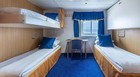
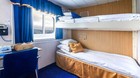
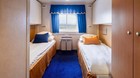
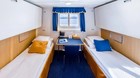
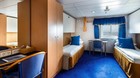
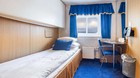
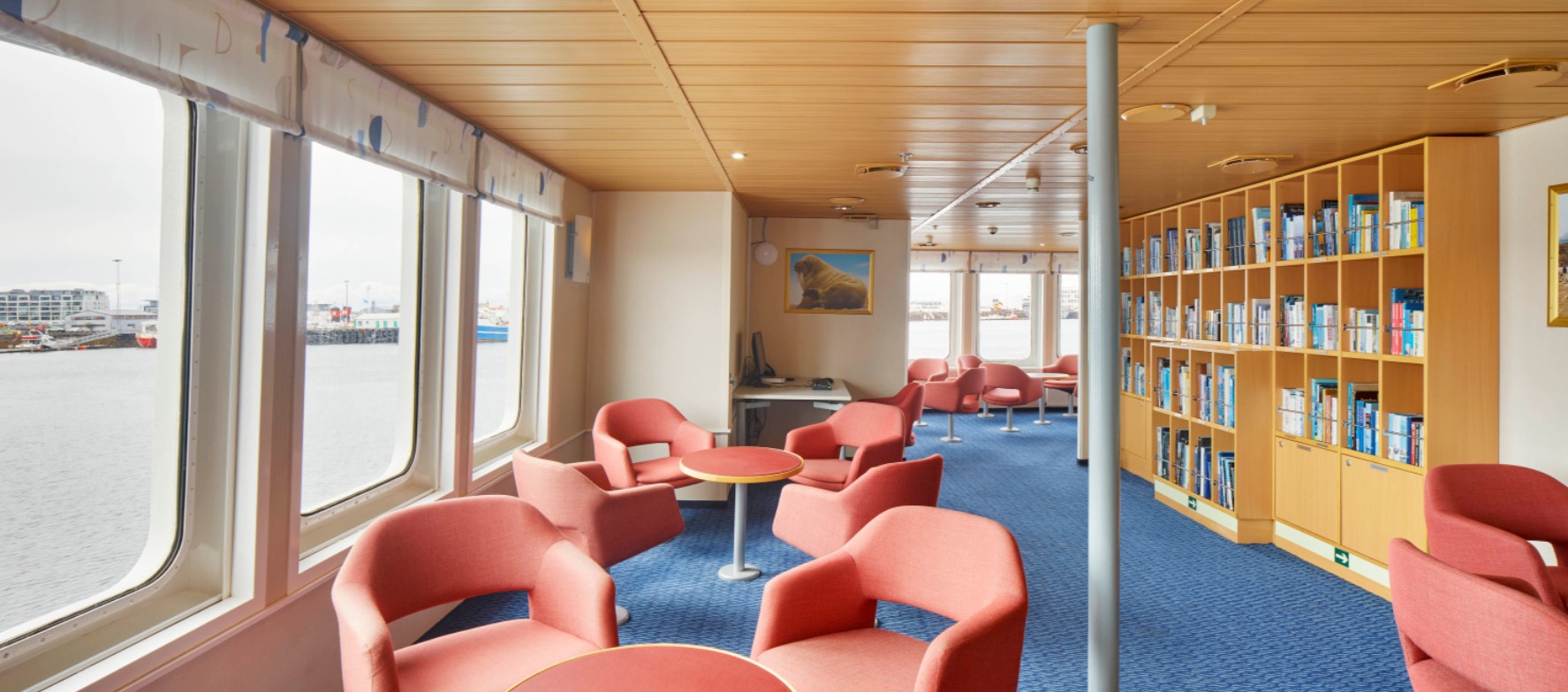
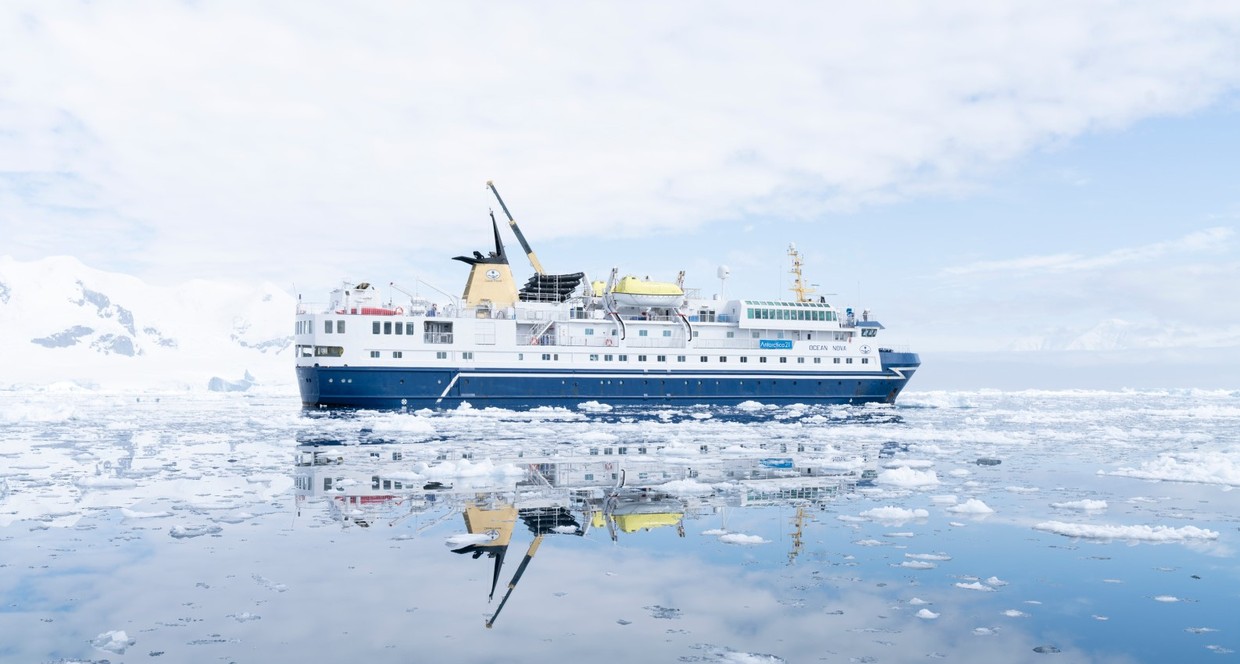
The Ocean Nova, built in Denmark in 1992 and fully refurbished in 2006, is a small yet comfortable expedition vessel accommodating up to 84 passengers. Cabins are spread across two decks and include single, double, and triple accommodations, all with sea views and private facilities. Designed with Scandinavian light woods, the cabins feature ample storage, desks, and flexible bedding arrangements, ensuring a practical and cosy retreat after a day of exploration. Passengers can relax in the Panorama Lounge, which offers panoramic views, daily briefings from the expedition team, and lectures on subjects ranging from ornithology to geology, while the library, small gym, and medical facilities enhance onboard comfort.
Dining aboard the Ocean Nova is informal yet enjoyable, with a single-sitting dining room offering a combination of table service and buffet, allowing all guests to dine together while taking in views through the portholes. Life on board is relaxed and immersive, often spent on deck watching for wildlife or simply admiring the surrounding landscapes. With one of the highest ice classes (1B) and a powerful 2000 hp diesel engine, the Ocean Nova is equipped to navigate icy waters or tranquil lochs with ease. A crew of 34, including North European officers, ensures both passenger safety and an enriching expedition experience, complemented by fully enclosed lifeboats and an onboard medical clinic.



Inclusions
• Accommodation – Comfortable cabins with private bathrooms, towels, bathrobes, and toiletries
• All Meals – Buffet-style breakfast and lunch, à la carte dinners, early-bird breakfast, afternoon tea, and late-night snacks
• Expedition Activities – Guided excursions, including Zodiac cruises, onshore explorations, wildlife viewing, and community visits
• Onboard Educational Programming – Expert-led presentations, workshops, and interactive learning sessions about the destinations visited
• Onboard Facilities – Lounges, libraries, bars, wellness facilities (gym, sauna), and observation areas for scenic viewing
• Specialized Equipment – Rubber boots and life jackets provided for excursions
• Complimentary Expedition Jacket – Provided on all voyages.
• All Applicable Taxes and Fees – Credit card fees and port charges included in the expedition cost
• Basic wifi is included in the price on Exploris One, however, connectivity may vary depending on region
• Beverage package is included in the fare on Exploris One
Exclusions
• Optional Activities – Kayaking, pre/post tour extensions, and other specialized enhancements (eg, Fibre Arts Program)
• Gratuities – Recommended but not included in the expedition fare.
• Pre and Post Night Hotel Accommodation – we recommend travellers arrive in the gateway city at least 1 night prior to departure, and continue homeward travel one day after disembarkation
• Medical Evacuation Insurance – Mandatory for all travelers but not included.
• Alcohol and other beverages (such as canned soda) are available for purchase aboard Ocean Endeavour and Ocean Nova
• Wifi packages are available for purchase on Ocean Endeavour and Ocean Nova
 Expedition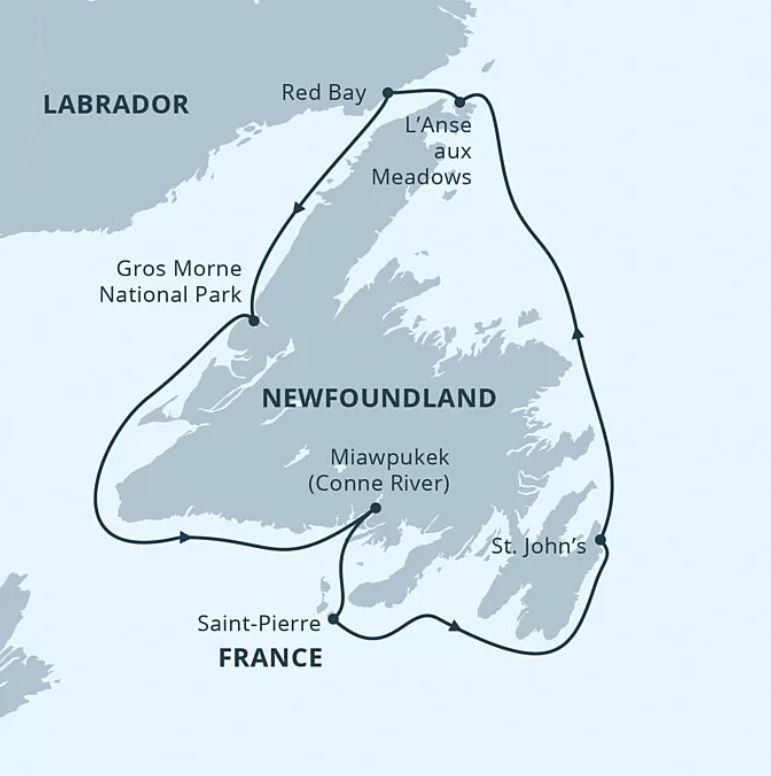
Our Associates Include


