Patagonia & the Wild Atlantic: Cruise to the Falkland Islands
The voyage begins at the “End of the World,” where Ushuaia’s bright houses cling to the mountains and the Beagle Channel opens like a gateway to adventure. Days slip by in a rhythm of ice and ocean: drifting before the towering face of Pia Glacier, gliding into the forest‑lined fjord of Garibaldi, and rounding the storied cliffs of Cape Horn. The ship threads onward to lonely Isla de los Estados and then into the Falklands, where quiet farms, windswept beaches and fearless wildlife create a world that feels both remote and welcoming. Penguins shuffle along the sand, albatross circle overhead, and dolphins flash through the surf as the journey continues toward Patagonia’s whale‑rich coast and finally to Montevideo, a city of literature, plazas and sea breezes. It’s a voyage stitched together by wilderness, history and the sense of traveling along the very edges of the map.
Highlights
• Sail Glacier Alley, where brilliant blue glaciers calve spectacularly amid waterfalls and rugged peaks.
• Cruise the wild Beagle Channel, winding past towering mountains, lush forests and abundant wildlife.
• Spot vast penguin colonies on the Falklands, a pristine sanctuary for king, rockhopper, gentoo and Magellanic penguins.
Charter flights to the port of embarkation/ disembarkation (Longyearbyen, Ushuaia, Kangerlussuaq, Nuuk, Honiara, Jayapura and Sorong)
Group return transfers from airport to cruise port and to the hotel (where included)
One night pre-cruise accommodation with breakfast in a 4/5-star hotel (exemptions apply)
Ushuaia is the gateway to the White Continent. Nestled in the foothills of the snow-capped Martial Range in Argentina's Patagonia region, Ushuaia’s colourful streets and mismatched buildings cascade from the imposing mountains before coming to an abrupt halt at the shores of the Beagle Channel. Often described as 'the End of the World', the city carries the reputation well - the moody weather and dramatic surroundings certainly help.
Accessible only by water, Pia Glacier is a massive, advancing tidewater glacier plunging from Chile’s Darwin Range into the Beagle Channel. Part of Alberto de Agostini National Park, it builds more ice than it loses to melting and calving. Zodiac rides take visitors close to its towering, creaking ice face, where thunderous cracks signal monumental chunks breaking loose and crashing into the sea, filling the air with awe and raw power.
Considered one of Chile’s most beautiful glaciers, the towering teal walls of Garibaldi Glacier are quite spectacular. Surrounded by pristine sub-Antarctic forests, the vegetation is just as impressive as the ice. The glacier and surrounding Garibaldi Fjord are part of UNESCO-recognised Alberto de Agostini National Park, one of the 24 most pristine ecoregions on the planet. The mighty Andean condor is often seen soaring overhead.
Cape Horn is a legendary nautical landmark where the Atlantic and Pacific Oceans meet. Known as the "sailor’s Everest," it is a major challenge for global sailing races. The Cape Horn Memorial, featuring an albatross silhouette, honours sailors lost at sea. Only a small family lives permanently on remote Hornos Island, while the area is rich in unique wildlife, including southern royal albatrosses and Magellanic penguins.
Isla de los Estados, at Tierra del Fuego's remote eastern tip, is a strictly protected reserve. Its rugged coasts and dense forests host large colonies of Magellanic and rockhopper penguins, imperial shags and giant petrels, while kelp forests harbour rich marine life. The island also features the historic San Juan de Salvamento Lighthouse - known as the 'Lighthouse at the End of the World.
Barren IslandDay 5Barren Island, at the southern entrance of Falkland Sound, is a low-lying island known for its ponds and sandy coves. Conservation efforts have restored tussac grass, supporting rich wildlife such as thousands of Magellanic penguins, southern giant petrels, gentoo penguins and sea lions. It operates as an eco-friendly sheep farm along with George Island, offers easy coastal walks and is home to historic buildings including a woolshed and house.
Recognised as an Important Bird Area, Bleaker Island is a pristine coastal sanctuary where sustainable tussac farming supports 47 breeding bird species. Over 8,000 pairs of imperial cormorants nest alongside snowy sheathbills, skuas, and gulls, while large colonies of gentoo, Magellanic and southern rockhopper penguins thrive. Freshwater ponds attract diverse waterfowl, and nearby waters are frequented by sea lions and dolphins.
A designated Important Bird Area and RAMSAR wetland, this white-sand beach on Fitzroy Farm, East Falkland, teems with life. It hosts gentoo and Magellanic penguins, South American terns, steamer ducks and ruddy-headed geese. Commerson’s and Peale’s dolphins are regularly spotted offshore while sea lions bask onshore. Eighty plant species thrive here: five found nowhere else, including the rare Dusen’s moonwort fern.
Anyone familiar with Britain’s trademark red post boxes might spot a resemblance in this British outpost. Port Stanley, on East Falkland, is the tiny capital of the Falkland Islands and is small enough to get around on foot. The Historic Dockyard Museum is devoted to maritime history and exploration. Magellanic penguins gather on the beach at nearby Gypsy Cove, and sea lions and dolphins frolic in the harbour.
Carcass Island in the Falklands is a wildlife haven free of introduced predators, allowing fearless animals to thrive. The lush island features rolling hills, sandy beaches and rare mature trees and hosts large colonies of gentoo and Magellanic penguins with famous burrows. Birdwatchers can spot striated caracara ("Johnny Rook"), Cobb’s wren, and tussacbird. Marine life includes elephant seals, sea lions, dolphins and whales.
Birdlife is the big draw on this lush sheep-farming island, where thousands of rams and ewes roam. Settled by British explorers in 1765, the island’s unique scenery includes golden sand beaches filled with the cacophony of rockhopper, gentoo and Magellanic penguin colonies, and the pillar-shaped nests of black-browed albatross. Nine of the Falklands’ 14 endemic plants, including silvery buttercup and hairy daisy, grow here and are a real treat.
Pebble Island, named for its colourful agate pebbles, features diverse landscapes. Family-owned, the Falklands' third largest island is home to the 6.4 km Elephant Beach and a memorial to H.M.S. Coventry. The island supports abundant birdlife, including 1,000 pairs of Imperial shags, 8,500 breeding pairs of southern rockhopper penguins, and black-necked swans. Also here are endemic Falkland plants, while Commerson’s dolphins are often spotted.
Black-browed albatross grace the skies over this remote Falkland Island, while Commerson's dolphins play in its waters. With a sparse population of people and sheep, the island is also a sanctuary for fur seals, rockhopper penguins, Magellanic penguins and imperial cormorants, nesting amid its cliffs and the impressive Cliff Mountain. Hiking through the moss-covered terrain unveils beautiful wildflowers like pink-petalled Felton's
Spend your day at sea enjoying the facilities available onboard. Head to the sauna, get in a workout in the state-of-the-art gym or relax in the hot tub while taking in incredible views along the way. If you prefer to learn a little more about your surroundings, listen to an informative talk or have a chat with one of our knowledgeable experts.
In the northern Patagonia region of Argentina, the fast-growing coastal city of Puerto Madryn is known for sandy beaches, its lighthouse and for watching frolicking southern right whales from Playa El Doradillo beach. At Caleta Valdés on the Valdes Peninsula, white bull elephant seals who are ever watchful for hungry orcas haul out next to penguins. The Ecocentro museum is the place to learn about Patagonia's natural environment.
Spend your day at sea enjoying the facilities available onboard. Head to the sauna, get in a workout in the state-of-the-art gym or relax in the hot tub while taking in incredible views along the way. If you prefer to learn a little more about your surroundings, listen to an informative talk or have a chat with one of our knowledgeable experts.
Across the Río de la Plata from Buenos Aires, Uruguay's charming capital Montevideo is an authentic gem with timeless architecture, leafy plazas and sandy beaches. A city steeped in literary history, Montevideo was home to famed writers like Benedetti, Onetti and Peri Rossi. Nicknamed the 'Athens of the Rio de la Plata,' it is the cradle of Gaucho literature and the only UNESCO City of Literature in Latin America.
Itineraries are subject to change.
|
Book now |
Oceanview D4

Oceanview M4
Balcony D5

Balcony M5
Balcony D6
Suite

Premium Suite

Vessel Type: Luxury Expedition / Cruise Ship
Length: 115 metres
Passenger Capacity: 158
Built: 2020/2021/2022
The SH Vega is a boutique, ice-strengthened expedition ship designed for exploring the world’s most remote destinations in refined comfort. Built in Finland’s renowned Helsinki Shipyard, she combines sleek Scandinavian design with advanced cruising technology, including a Polar Class PC5 hull and extra-large stabilisers for smooth sailing in challenging waters. With space for just 158 guests and 122 crew, she offers an intimate and personalised experience, where every detail is considered – from elegant observation lounges and stargazing decks to fine dining venues and a spa with panoramic views. Her facilities include a heated outdoor pool, open deck jacuzzi, gym, and library, ensuring the journey is as rewarding on board as it is ashore.
Accommodation ranges from stylish oceanview staterooms to expansive premium suites, all appointed with contemporary comforts such as a flame-effect fireplace, Illy espresso machine, luxury toiletries, and even complimentary binoculars for wildlife spotting. Private balconies in many cabins provide a front-row seat to breathtaking landscapes, while world-class dining, attentive service, and thoughtful touches like a welcome bottle of Champagne enhance the sense of occasion. Whether navigating polar ice or sailing into sunlit harbours, the SH Vega offers a blend of adventure, elegance, and home-like warmth.


Inclusions
• Charter flights to the port of embarkation/ disembarkation (Longyearbyen, Ushuaia, Kangerlussuaq, Nuuk)
• Group return transfers from airport to cruise port and to the hotel (where included - please enquire)
• One night pre-cruise accommodation with breakfast in a 4/5-star hotel (where included - please enquire)
• All meals onboard
• 24-hour room service
• Coffee, tea, soft drinks, and selected alcoholic beverages, available 24 hours per day
• Lecture programs by our experienced expedition team and guest speakers
• Standard WiFi
• Onboard gratuities and port taxes
• One selected shore excursion/expedition activity per port of call (kayaking not included – however this can be pre-booked)
• In polar regions: Branded Swan Hellenic expedition parka to take home and use of rubber boots for wet zodiac landings.
Exclusions
• Kayaking, private tours, special arrangements, and private Zodiac tours on request and based on availability.
• Additional shore excursions are also offered (excluding polar regions, where all excursions are Zodiac-based and included). At each destination/ port of call, one pre-selected shore excursion will be included free of charge. All other excursion offers will be available at additional cost.
• Premium wines and spirits from the bar menu
• Purchases from the ship’s boutique, laundry expenses, premium WiFi packages, and spa treatments
• Visas where required, travel insurance, flights, domestic transfers, and any hotel requirements pre- or post-cruise, unless otherwise stated within the itinerary description.
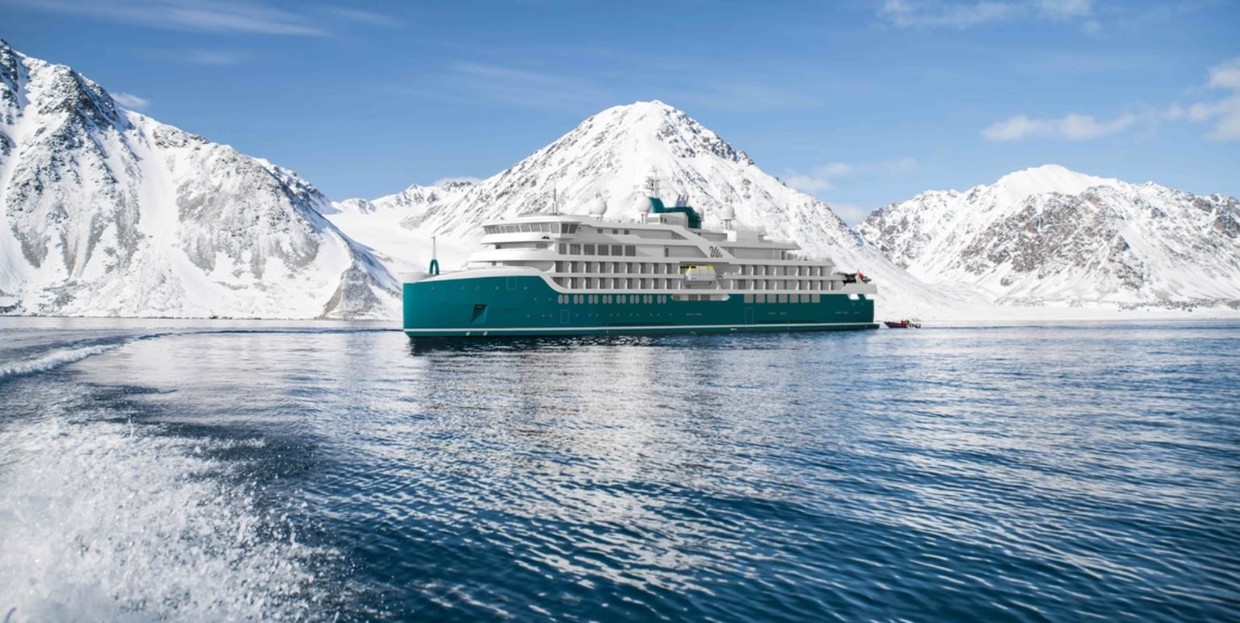
 Luxury Expedition
Our Associates Include


