Panama and Costa Rica’s Pacific Coast: A Central America Odyssey
Trace the sweeping Pacific arc of Panama and Costa Rica on one of the most comprehensive expeditions in the region, where rainforest-clad shores, coral reefs and storied coastal communities reveal a richly layered corner of the globe. From Coiba’s shimmering coral kingdoms to the Emberá villages of Darién and the wild rainforests of Corcovado and Guanacaste, experience the interplay of culture and nature at peak dry season, when wildlife gathers and conditions are ideal for exploration. From aboard the next-generation expedition ship Greg Mortimer, venture farther by Zodiac, kayak and on foot, reaching secluded shores and hidden waterways beyond the reach of conventional coastal voyages.
Highlights
• Experience an in-depth exploration of Panama and Costa Rica aboard the purpose-built Greg Mortimer, featuring expansive observation decks, hydraulic viewing platforms and four Zodiac launch platforms that quickly bring you to wild tropical shores
• Explore the ecosystems of Darién National Park, one of Panama’s most remote and biodiverse regions, and meet the Indigenous Emberá people to learn about their local traditions
• Snorkel amid vibrant marine life in one of Central America’s largest coral reef systems off Coiba Island, part of Coiba National Park—a UNESCO World Heritage site
• Go ashore at Corcovado National Park (conditions permitting) to swim in idyllic waterfall pools or trek through lush rainforests, on the lookout for four species of monkeys: howler, spider, squirrel and capuchin
• Hike Curú National Wildlife Refuge—Costa Rica’s first private national wildlife reserve—and discover its remarkable biodiversity, home to hundreds of mammal and bird species, including white-faced capuchin monkeys, turquoise-browed motmots and scarlet macaws
• Choose from three ways to explore the volcanic landscapes of Rincón de la Vieja National Park: Hike where tropical dry habitat meets the temperate cloud forest, swim below Las Chorreras Waterfall or soar through the canopy by zipline
Arrive in San José this afternoon. Transfer to Puerto Caldera to embark the Greg Mortimer.
Depending on the day’s conditions, you may choose to explore Santa Elena Bay in Santa Rosa National Park, Junquillal Wildlife Refuge or Cuajiniquil Bay—all part of the Guanacaste Conservation Area. While venturing out by Zodiac, immerse yourself in the tropical environment, as great kiskadees sally out from exposed perches to capture flying insects and orange-fronted parakeets chatter overhead. Predators such as mangrove hawks may take wind, setting out on a late afternoon hunt, while ringed kingfishers watch the shallows for the flash of a fish.
Set off inland to explore Rincón de la Vieja National Park. This mountainous region is part of the extraordinarily biodiverse Guanacaste Conservation Area and encompasses more than 34,000 acres. The region, with its forests carpeting the sides of two active volcanoes, is alive with geothermal activity as bubbling mud pots spout and steam rises above the canopy. Choose between several enticing options today, including a hike through the transition zone where tropical dry habitat meets the temperate cloud forest. Here, keep an eye out for exotic wildlife, with the possibility of encountering mantled howler monkeys and regional birds, including the white-throated magpie-jay. Alternatively, after a short hike into the forest, opt to swim below Las Chorreras Waterfall or soar through the canopy by zipline. Afterwards, enjoy a sumptuous poolside lunch at Hacienda Guachipelin.
Along the coast of the Nicoya Peninsula, marking the transition between the wetter jungles of the south and Guanacaste’s drier environment, lies Curú National Wildlife Refuge, Costa Rica’s first private national wildlife reserve. Learn about the hundreds of species of birds, reptiles and mammals that inhabit this thriving ecosystem while exploring the park’s tracks and trails. Look for white-faced capuchin monkeys, turquoise-browed motmots and, with luck, scarlet macaws. The northern tamandua also resides here, and while often elusive and quiet, this primarily arboreal member of the anteater family may be spotted. Later, as you enjoy lunch on board, you'll cruise to a cluster of offshore islets collectively called Isla Tortuga. Relax on the beach shaded by swaying palms and tropical vegetation, and enjoy afternoon refreshments and hors d'oeuvres on the beach.
Anchor off the Osa Peninsula to see some of the lushest lowland rainforest on the Pacific coast. Conditions permitting, venture into Corcovado National Park, where you can swim in waterfall pools or trek through the rainforest for a chance to see four species of monkeys—howler, spider, squirrel and capuchin. Alternatively, explore by Zodiac, cruising along a jungle river shrouded by a thick canopy that harbors iguanas, monkeys, myriad bird species and blue morpho butterflies.
Go ashore at Playa Blanca on the Osa Peninsula and head inland to meet with inspiring local families living in remote communities and working with cocoa, hearts of palm and sugar cane. By special arrangement, visit the Latin American Sea Turtles (LAST) Association and hear presentations from the staff, including a talk by the dedicated researchers working to positively impact sea turtle conservation.
Spend the next two days exploring the spectacular Golfo Dulce area, along the southwestern edge of Costa Rica. Start the morning at anchor in front of Golfito, and explore this mangrove-fringed gulf by Zodiac and kayak. Scan the jungle tree line for a dazzling array of avifauna, including golden-hooded and Cherrie’s tanagers, yellow-throated toucans, fiery-billed aracaris and crimson-fronted and orange-chinned parakeets.
Later, explore the Rio Seco private reserve, located within the Piedras Blancas National Park and only accessible by sea. Hike in mature rainforest and seek out a panoply of wildlife as you take in a kaleidoscope of tropical color, with bromeliads, heliconias and orchids set against the verdant green.
Spend the day exploring the remote Isla Coiba, one of the many islands of Coiba National Park—a UNESCO World Heritage site. Once a penal colony, the island has long been protected and is accessible by special permit only. Among its many endemic species are the Coiba Island agouti and the mantled howler monkey, as well as four varieties of sea turtle. Discover rich marine life while snorkeling or simply spend the afternoon exploring, kayaking or relaxing on the beach.
Explore the picturesque Isla Iguana Wildlife Refuge, one of the most important marine and coastal protected areas along the Pacific coast of Panama, just off the Azuero Peninsula. The island is draped in dry tropical rainforest and home to seabird nesting areas and expansive white-sand beaches. Enjoy nature walks, kayaking and snorkeling from the beach over coral reefs where colorful reef fish, rays and other marine species are commonly seen.
After lunch, explore the mainland town of Pedasí, a proud center of folkloric traditions on the Azuero Peninsula—widely regarded as the cultural heart of Panama. Shaped by centuries of isolation, Spanish colonial roots, Indigenous traditions and a strong rural identity, Azuero has preserved customs, music, dress and craftsmanship that have largely disappeared elsewhere in the country. Learn about the rich culture of the area during live folkloric presentations featuring traditional music and dance from the region, then hear about traditional dress, food and construction techniques.
Approximately 200 islands make up the idyllic Pearl Islands. Explore different islands in the archipelago as you learn about the history of the native populations and the Spaniards and African slaves who arrived for the pearl trade. White sandy beaches and shallow reefs provide great opportunities for kayaking, stand-up paddleboarding, Zodiac cruises, snorkeling and beach activities.
Playa Muerto village is located in Darién National Park, the largest protected area in Central America and a UNESCO World Heritage site. The park contains an exceptional array of habitats, from sandy beaches and mangroves to dense tropical forests teeming with wildlife. It is also home to the Indigenous Emberá and Wounaan tribes. You’ll be greeted by village leaders from the Emberá who will share their customs, traditions and stories about their deep respect for their natural surroundings. Later on, enjoy short nature walks, go birding or choose to join a longer hike into the rainforest in search of the elusive harpy eagle, one of the world’s most powerful eagles.
Disembark in Panama City this morning and transfer to the airport for flights home.
Itineraries are subject to change.
|
Book now |
Category 01

Category 02
Category 03
Category 04
Category 05
Category 06
Category 07
Category 08
|
Book now |
Category 01
Category 02
Category 03
Category 04
Category 05
Category 06
Category 07
Category 08
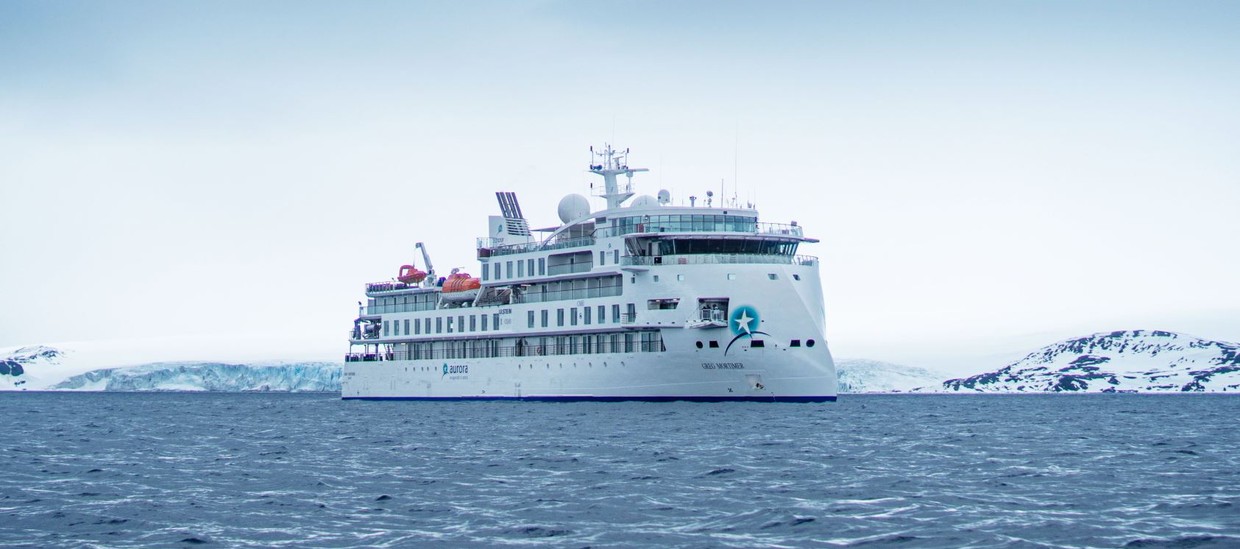
Vessel Type: Expedition
Length: 104 metres
Passenger Capacity: 132
Built: 2019
The Greg Mortimer is a purpose-built expedition vessel designed for exploring the most remote regions on earth, including Antarctica. Launched in 2019, the 104 m ship accommodates up to 130 passengers in 76 staterooms across eight decks, with 85% of cabins featuring private balconies. Its revolutionary Ulstein X-BOW® design provides a smoother, more efficient passage through rough seas, while expansive observation decks, communal lounges, and lecture facilities create the ideal base for immersive exploration. The ship also prioritises responsible travel, with advanced environmental features, hydraulic viewing platforms, and an activities deck for kayaking, Zodiac landings, and wildlife observation.
Onboard amenities cater to both adventure and relaxation. Guests can enjoy open-seating dining with buffet and à la carte options, a Tuscan Grill restaurant, and 24-hour tea, coffee, and snacks, while bars and lounges with floor-to-ceiling windows foster camaraderie. Recreational facilities include a gym, sauna, and two Jacuzzis with panoramic views. Staterooms range from the luxurious Captain’s Suite and Junior Suites to Balcony Staterooms (Categories A–C) and Aurora Staterooms, all with private en-suites, offering configurations for couples, solo travellers, and small groups. The vessel combines comfort, style, and practicality to provide an unparalleled polar expedition experience.


Inclusions
• All accommodations, meals, and non-alcoholic beverages aboard ships
• Use of snorkeling equipment, wet suits, and kayaks (where available)
• Services of our expert expedition team and guest speakers
• Services of a ship physician on most voyages
• Certain hotels and meals ashore as indicated in the itinerary
• Round-trip transfers based on group flights
• Shore excursions, sightseeing, entrance fees, and special access permits
• Taxes, service charges, and tips (except for ship’s crew, at our guests’ discretion)
_______________
Exclusions
• Air transportation (except when we indicated in the itinerary, as included) Extensions
• Passport, visa, and immigration fees
• Travel Protection Plan
• Special and unique excursions such as scuba diving, flightseeing, etc. (where offered)
• Alcoholic beverages (alcohol is included on select ships)
• Items of personal nature
• Phone and Internet Service
• Laundry
• Gratuity for ship’s crew, at our guests’ discretion (crew tips are included on select ships)
 Expedition
Our Associates Include


