24 Days Melanesia Luxury Expedition - Darwin to Lautoka
24 days across remotest Melanesia — from Indonesia to Fiji. Snorkel the extraordinary Dampier Strait and unwind on secluded, uninhabited islands. Experience Papuan culture, hike in search of the birds of paradise, and swim with whale sharks in Cenderawasih Bay. Explore hidden WWII wrecks and Indonesia’s jungle-clad wartime command centers before ending at toast-worthy beaches and active volcanoes.
Highlights
• Experience the legendary land diving ritual on Pentecost Island.
• Dive into vibrant coral reefs at Njari and Dobu Islands.
• Explore Australia’s Indigenous heritage at Yirrkala and Bathurst Island.
Named in honor of Charles Darwin by British settlers, Darwin is Australia's northernmost capital city, located 2,000 miles from Sydney and Melbourne. Crocodiles patrol the jungled waterways surrounding the city, and the nearby Kakadu National Park is accessible by airboat. Darwin was directly attacked by the Japanese air force in 1942, and Cyclone Tracy devastated the city in 1973, both events documented in local museums.
Days at sea are the perfect opportunity to relax, unwind, and pursue personal interests, whether visiting the gym, the spa, or simply watching for whales from deck. These blue sea days offer an ideal balance to busy days spent exploring ashore.
Pulau Nai, a small island in the Banda Sea, earns its place in the Spice Islands legacy through two industries. Copra is produced from its abundant coconut palms, and agar seaweed is farmed on long ropes in the surrounding sea. Endemic birds — including the Island Flycatcher — occupy the island's forests, and the wide, calm Banda Sea stretches to the horizon in every direction.
In the heart of the Coral Triangle — widely considered the most biodiverse stretch of ocean on the planet — Misool Island anchors the Raja Ampat region of West Papua. Aquamarine lagoons, vertical rock formations, and underwater walls draped in table corals, staghorn corals, and sea squirts create an environment that challenges any attempt at description.
As world famous beaches go, Champagne Beach is one of the big hitters. In 2003, CNN ranked it number nine in its list of top 100 beaches and independent travel specialists permanently include it on their list of 50 best beaches worldwide. It’s one of the world’s greatest natural beauties: picture-perfect beach white sand, turquoise water and nothing – save for the occasional cow or curious turtle - around. With only coconut plantations and a few friendly locals to keep you company, this might just be the island of your dreams. The glorious name “Champagne Beach” was given to the island in the 17th century, when Pedro de Quirós believed he had reached the famous unknown southern land or the “Tierra Australis Incognita” (or Australia as we now know it). He believed the effervescent bubbles of volcanic origin that bubble up from the crystal clear waters were reminiscent of the bubbles of Champagne. Additionally, the coastline is shaped like an art deco Champagne saucer, so the name stuck! The beach is located on the largest yet least populated island in the 40-island Vanuatu archipelago, near the village of Hog Harbor on Espiritu Santo Island. If you want to venture beyond the beach, then Espiritu Santu is also famed for its blue holes. The island is home to some of the clearest waters on Earth, benefiting from natural filtering from underground limestone caves.
In the heart of Cenderawasih Bay — which bites into the north coast of West Papua, Indonesia, and is famed for its spotted whale sharks — Pulau Swande sits within Indonesia's largest marine national park, one of the most remote, least-visited corners of the world. Nicknamed the "Galápagos of the East" and set at the heart of the Coral Triangle, the bay is home to hundreds of species, from turtles of all kinds — green, hawksbill, leatherback, Pacific ridley — to reef fish and mantas, all within a marine park covering more than 14,000 square kilometers. Tiny Pulau Swande has a beautiful backbone of tropical beach, which emerges from coral-blue seas, and is capped by forest at its northern and southern points. Surrounded by little islets, and with the stilt village of Pulau Num next door suspended above the clear waters, Pulau Swande is a drop of peace and tranquility.
Kwatisore Bay lies within Cenderawasih Bay National Park, Indonesia's largest marine national park, covering 1,453,500 hectares. The area near Kwatisore Bay is one of the few places in the world where whale shark encounters can almost be guaranteed, as local fishermen actively encourage their presence by feeding them small amounts of their catch. The best time and place to encounter whale sharks is at the local fishing pontoons during the early morning hours.
Aisandami Village is a traditional coastal community in Indonesia known for its rich cultural heritage, shared with visitors through dancing, woodcarvings, and woven baskets. The surrounding rainforest is home to the Lesser Bird of Paradise, and early morning treks may reward visitors with a sighting of the males performing their courtship dance. A waterfall hidden in the lush foliage above the village offers a tranquil destination for those who venture further.
Pulau Rouw in Cenderawasih Bay holds an unusual distinction beneath its clear turquoise surface. The easily accessible wreck of an American P-38 fighter rests in shallow water, its fuselage now a living reef of tropical fish. The contrast between the wartime aircraft and its current role as a cradle of marine life is one of the Pacific's most unexpected underwater encounters.
Pulau Biak in Cenderawasih Bay is the largest island of the Biak-Numfor archipelago and the gateway to some of Indonesia's most pristine and least-visited waters. Wartime wrecks and extraordinary reef diversity attract divers, while the local Biak culture and traditional barapen stone-cooking method offer equally compelling encounters above the surface.
Days at sea are the perfect opportunity to relax, unwind, and pursue personal interests, whether visiting the gym, the spa, or simply watching for whales from deck. These blue sea days offer an ideal balance to busy days spent exploring ashore.
Vanimo, the capital of Papua New Guinea's remote Sandaun Province near the Indonesian border, sits on a bay of natural harbours and undeveloped beaches. The surrounding rainforest sustains an important logging industry, and the village coastline north of town offers some of the most accessible and uncrowded beaches in Papua New Guinea.
One of four islands off Papua New Guinea's northern coast near Aitape, Ali Island has a beautiful white sandy beach on its eastern shore and five villages connected by well-maintained trails. The local communities welcome visitors while maintaining their own distinct way of life, expressed through colourful ceremonial headdresses, arm bands, and grass skirts. A village walk leads past homes and gardens to a Catholic church decorated with paintings of the via crucis.
Madang was founded in 1891 as Friedrich Wilhelms-Hafen, the provincial headquarters of German New Guinea, and renamed after World War I. The Coastwatchers Memorial Lighthouse at Kalibobo, inaugurated in 1959, honours coastwatchers who worked behind enemy lines during WWII. The province has more than 170 languages spoken, and fruit bats roost on the trees along Modilon Road in large numbers.
The volcanic island of Garove is part of the Witu Islands and once had a 5-kilometre-wide caldera. The island was historically used to produce copra and cocoa, and still is today. The only village inside the caldera is Widu, whose school and Catholic church occupy a promontory at the entrance's southwestern corner.
Rabaul occupies one of the Pacific's most dramatic settings — a town built inside the flooded caldera of a giant volcano, with active sub-vents still steaming around the bay. Mount Tavurvur buried much of the city in ash in 1994, and the ruins it left behind have become part of Rabaul's identity, alongside the extraordinary WWII Japanese tunnels cut into the caldera walls.
Days at sea are the perfect opportunity to relax, unwind, and pursue personal interests, whether visiting the gym, the spa, or simply watching for whales from deck. These blue sea days offer an ideal balance to busy days spent exploring ashore.
Kennedy Island in the Solomon Islands, formerly known as Plum Pudding Island, is where John F. Kennedy and his crew took refuge in August 1943 after their torpedo boat PT-109 was sunk by the Japanese. Kennedy swam dragging an injured crewmate to the island, and he and his crew survived on coconuts for two days before being found by Solomon Islanders. Kennedy kept a coconut shell from the island on his Oval Office desk throughout his presidency.
Mbili Island lies beside the Marovo Lagoon, considered one of the world's largest double-barrier enclosed lagoons, in the Solomon Islands. A visit ashore offers the opportunity to meet local craftspeople selling intricately made masks inlaid with shells and hand-carved hardwood sculptures at the village's open-air market.
Santa Ana island, in the Solomon Islands, welcomes visitors to the village of Ghupuna with traditional songs and dances representing its three distinct communities. The island's white sand beach and stilted houses built from local materials reflect a way of life shaped by the sea, and the strings of traditional shell money and hardwood carvings available at local stalls are among the Solomons' finest crafts.
Days at sea are the perfect opportunity to relax, unwind, and pursue personal interests, whether visiting the gym, the spa, or simply watching for whales from deck. These blue sea days offer an ideal balance to busy days spent exploring ashore.
Located near Hog Harbor on Espiritu Santo, Vanuatu's largest island, Champagne Beach takes its name from the volcanic bubbles in its waters, likened to champagne by Spanish explorer Pedro de Quiros in the 17th century. The beach's Art Deco champagne-saucer coastline, white sand, and turquoise water have earned it a place on numerous lists of the world's greatest beaches. Espiritu Santo is also famed for its blue holes, whose clarity results from filtering through underground limestone caves.
Volcanically active and fringed by dark sand beaches, Ambrym is known across Vanuatu as the island of magic. Five distinct local languages evolved here, contributing to the archipelago's remarkable linguistic diversity. In the community of Ranon, the traditional Rom dance is performed on special occasions, its masks and costumes prepared in secrecy.
Days at sea are the perfect opportunity to relax, unwind, and pursue personal interests, whether visiting the gym, the spa, or simply watching for whales from deck. These blue sea days offer an ideal balance to busy days spent exploring ashore.
Lautoka is Fiji's second-biggest settlement, known as the Sugar City for its main trade, with botanical gardens showcasing tropical plant life from pearl white lilies to tall orchids. The city's name is said to derive from a battle cry meaning spear hit, called out when a chief was pierced during a duel. The Blue Lagoon offshore offers some of the best tropical beaches in the world.
Itineraries are subject to change.
|
Book now |
Vista
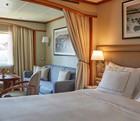
Veranda
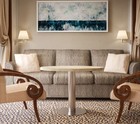
Midship Veranda
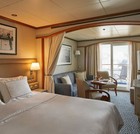
Medallion
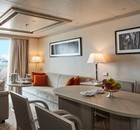
Silver
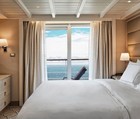
Royal 1 Bedroom
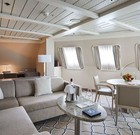
Grand 1 Bedroom
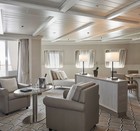
Owner 1 Bedroom
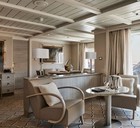
Royal 2 Bedroom
Grand 2 Bedroom
Owner 2 Bedroom
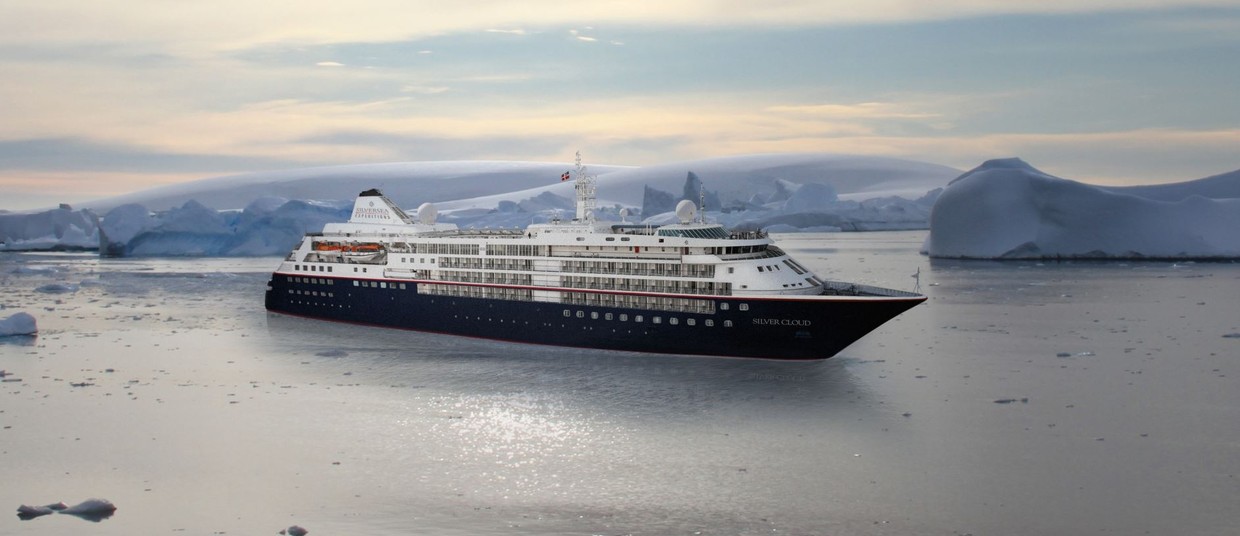
Vessel Type: Luxury Expedition
Length: 157 m
Passenger Capacity: 200/260
Built: 1994 Refurbished & Rebranded: 2017
Silver Cloud delivers one of the most personalised expedition experiences at sea, blending ultra-luxury with true adventure. As Silversea’s first crossover ship, she’s built for both comfort and exploration, offering large ocean-facing suites—80% with verandas—and an impressive 1:1 crew-to-guest ratio. With 20 Zodiacs and 10 kayaks, guests enjoy unparalleled access to remote locations, while expert-led excursions ensure meaningful encounters with nature and culture alike. From the icy reaches of Antarctica to the sun-kissed South Pacific, Silver Cloud brings the remarkable within easy reach.
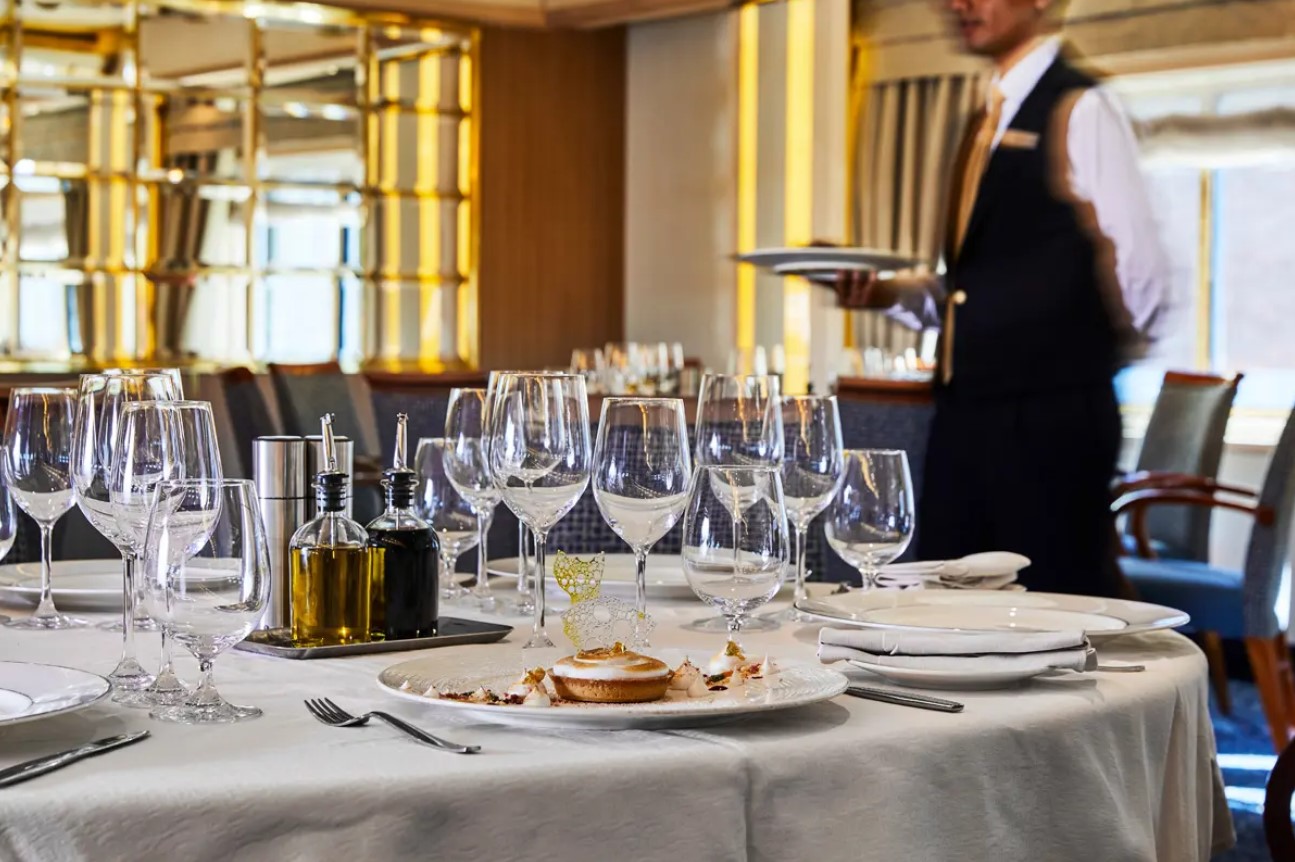
On board, refined living continues with four elegant dining venues, including French fine dining at La Dame and authentic Italian at La Terrazza. Relax in stylish public areas such as the Panorama Lounge or Connoisseur’s Corner, indulge in world-class spa treatments, or learn more about your destinations from passionate experts in the Explorer Lounge. Whether you’re cruising the Kimberley or the Chilean fjords, Silver Cloud offers a sophisticated base for discovering the far corners of the world in sublime comfort.



Inclusions
• All shore excursions (Expedition cruises) or shore excursion credit (Oceangoing voyages)
• Charter flights or overnight hotels (if required by the Expedition itinerary)
• Butler-serviced suites
• Extraordinary dining at up to 14 restaurants
• Onboard entertainment and lectures
Exclusions
• International flights
• Passport and visa costs if applicable
• Travel insurance
• Spa and Salon Treatments
• Complete valet services, including laundry, pressing and dry cleaning, are available at an additional charge
 Luxury Small Ship Cruise
Our Associates Include


