11 Days Luxury Kimberley Cruise - Darwin to Darwin
Immerse yourself in Australia's furthest reaches — a wild region where extraordinary things happen. From the surreal churn of forceful tides in the Buccaneer Archipelago to the profound stillness of Gwion Gwion rock art. Sail from tropical Darwin into the diversity of the Kimberley, a vivid red coastline of life-filled reefs, croc-lined mangrove rivers, and thrilling waterfalls.
Highlights
• Montgomery Reef – Watch the ocean recede to reveal a stunning marine ecosystem teeming with life.
• Buccaneer Archipelago – Navigate a breathtaking maze of islands sculpted by time and tides.
• Swift Bay – Discover ancient Aboriginal rock art hidden among dramatic coastal cliffs.
Named in honor of Charles Darwin by British settlers, Darwin is Australia's northernmost capital city, located 2,000 miles from Sydney and Melbourne. Crocodiles patrol the jungled waterways surrounding the city, and the nearby Kakadu National Park is accessible by airboat. Darwin was directly attacked by the Japanese air force in 1942, and Cyclone Tracy devastated the city in 1973, both events documented in local museums.
Days at sea are the perfect opportunity to relax, unwind, and pursue personal interests, whether visiting the gym, the spa, or simply watching for whales from deck. These blue sea days offer an ideal balance to busy days spent exploring ashore.
Wyndham, at the head of the Cambridge Gulf where several Kimberley rivers converge, was established in 1886 during the Halls Creek gold rush and remains one of Western Australia's most remote ports. The Ord River, accessible by boat from here, offers freshwater crocodiles, rock wallabies, and extraordinary birdlife in a tidal river landscape of great natural character.
Vansittart Bay, near the northern tip of Western Australia, holds two of the Kimberley's most significant rock art sites on Jar Island — galleries of both Gwion Gwion and Wandjina styles in close proximity. The Anjo Peninsula beyond holds a World War II C-53 aircraft wreck remarkably intact on the beach, adding an unexpected historical layer to one of Australia's most remote coastlines.
Situated 630 kilometres off Broome, Ashmore Reef Marine Park is an Australian External Territory covering 583 square kilometres in the Indian Ocean. More than 40 bird species use the reef, with 100,000 seabirds breeding there each year, including crested terns, white-tailed tropicbirds, and greater frigatebirds, alongside migratory shorebirds travelling from as far as Siberia. The surrounding waters shelter around 500 fish species, marine turtles, and dugongs within a declared Sanctuary zone.
The Buccaneer Archipelago off Western Australia comprises around 800 islands and produces extraordinary tidal phenomena, including the horizontal reversible waterfall in Talbot Bay. Montgomery Reef appears to rise from the sea as the tide drops, revealing cascading waterfalls and marine life including turtles and manta rays. Aboriginal guides welcome guests at Freshwater Cove with traditional ochre ceremonies, and nearby rock art caves can only be visited with local guides.
The Hunter River in the Kimberley is home to an immense mangrove system surrounded by soaring red sandstone cliffs, with narrow channels sheltering bird species, mudskippers, fiddler crabs, and saltwater crocodiles. Naturalist Island at the river's mouth has a sandy beach used as a landing site for helicopters heading inland. The Mitchell Falls, four tiers of waterfalls plunging into deep pools, are the inland highlight.
Swift Bay, on the Kimberley Coast, holds Wandjina rock art galleries of exceptional quality — sacred paintings of ancestral spirit beings maintained by the Wunambal Gaambera people over thousands of years. A short Zodiac ride and 250-metre walk across the rocky landscape leads to cave galleries where two distinct styles of Indigenous art — Gwion Gwion and Wandjina — can be observed side by side.
The King George River in the Kimberley offers a Zodiac journey through winding channels framed by towering red cliffs and ancient geological formations. Saltwater crocodiles bask along the banks and Brahminy Kites soar overhead during the cruise. The area is rich in deep geological history and the wild spirit of Australia's remote northwest.
Named in honor of Charles Darwin by British settlers, Darwin is Australia's northernmost capital city, located 2,000 miles from Sydney and Melbourne. Crocodiles patrol the jungled waterways surrounding the city, and the nearby Kakadu National Park is accessible by airboat. Darwin was directly attacked by the Japanese air force in 1942, and Cyclone Tracy devastated the city in 1973, both events documented in local museums.
Itineraries are subject to change.
|
Book now |
Vista
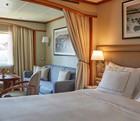
Veranda
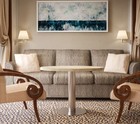
Midship Veranda
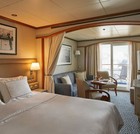
Medallion
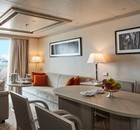
Silver
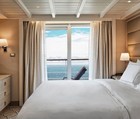
Royal 1 Bedroom
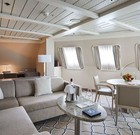
Grand 1 Bedroom
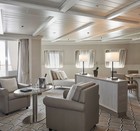
Owner 1 Bedroom
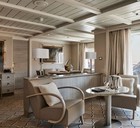
Royal 2 Bedroom
Grand 2 Bedroom
Owner 2 Bedroom
|
Book now |
Vista
Veranda
Midship Veranda
Medallion
Silver
Royal 1 Bedroom
Grand 1 Bedroom
Owner 1 Bedroom
Royal 2 Bedroom
Grand 2 Bedroom
Owner 2 Bedroom
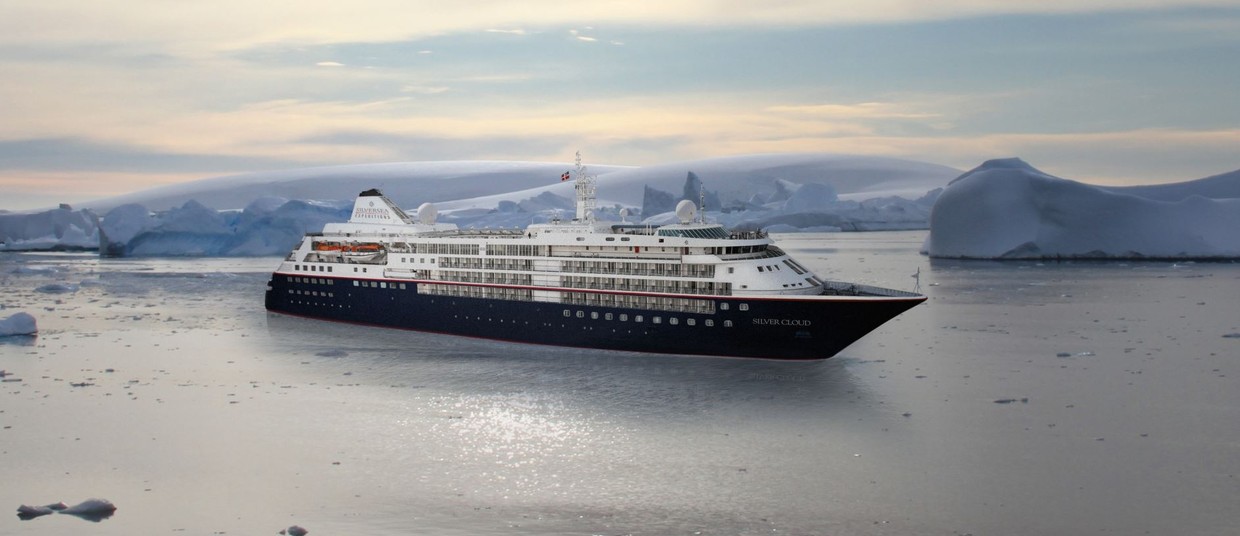
Vessel Type: Luxury Expedition
Length: 157 m
Passenger Capacity: 200/260
Built: 1994 Refurbished & Rebranded: 2017
Silver Cloud delivers one of the most personalised expedition experiences at sea, blending ultra-luxury with true adventure. As Silversea’s first crossover ship, she’s built for both comfort and exploration, offering large ocean-facing suites—80% with verandas—and an impressive 1:1 crew-to-guest ratio. With 20 Zodiacs and 10 kayaks, guests enjoy unparalleled access to remote locations, while expert-led excursions ensure meaningful encounters with nature and culture alike. From the icy reaches of Antarctica to the sun-kissed South Pacific, Silver Cloud brings the remarkable within easy reach.
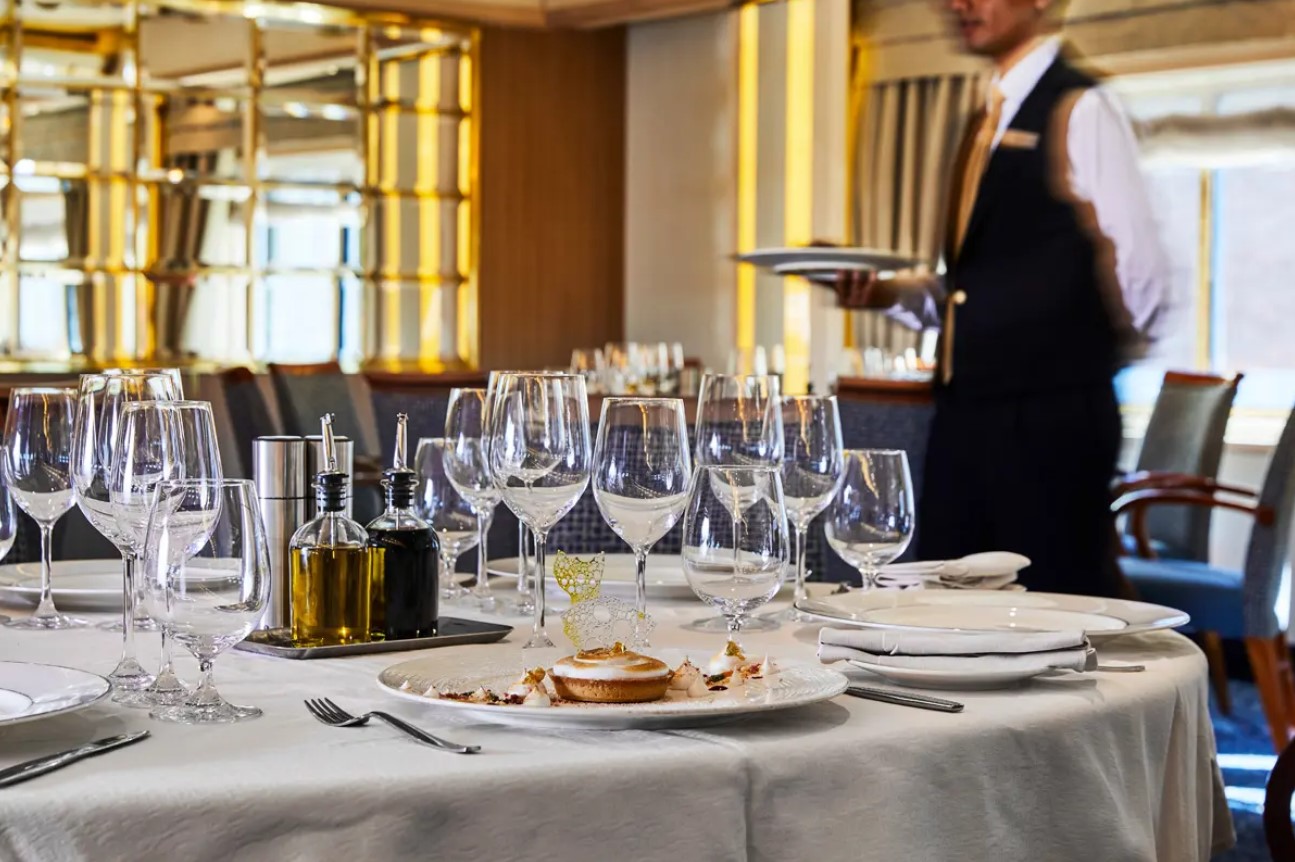
On board, refined living continues with four elegant dining venues, including French fine dining at La Dame and authentic Italian at La Terrazza. Relax in stylish public areas such as the Panorama Lounge or Connoisseur’s Corner, indulge in world-class spa treatments, or learn more about your destinations from passionate experts in the Explorer Lounge. Whether you’re cruising the Kimberley or the Chilean fjords, Silver Cloud offers a sophisticated base for discovering the far corners of the world in sublime comfort.



Inclusions
• All shore excursions (Expedition cruises) or shore excursion credit (Oceangoing voyages)
• Charter flights or overnight hotels (if required by the Expedition itinerary)
• Butler-serviced suites
• Extraordinary dining at up to 14 restaurants
• Onboard entertainment and lectures
Exclusions
• International flights
• Passport and visa costs if applicable
• Travel insurance
• Spa and Salon Treatments
• Complete valet services, including laundry, pressing and dry cleaning, are available at an additional charge
 Luxury Small Ship Cruise
Our Associates Include


