There is a Little Bit of Franz Schubert in All of Us Luxury Music Cruise
Majestic volcanoes, fertile valleys, emblematic ancient sites, enchanting islands… Leaving from Valletta, the Maltese capital and a UNESCO World Heritage Site, set off on a musical cruise in partnership with Radio Classique to discover the treasures of Sicily and the Calabrian coastlines. This musical escapade, with the exceptional presence of Alain Duault and a line-up of artists, will take you to discover mythical sites at the crossroads of eastern and western civilisations. On these sun-kissed shores, towns brimming with history will open the doors to their heritage treasures between ancient sites, architectural jewels and age-old traditions, while the unaltered raw beauty of the Mediterranean coasts reveals its full grandeur.
Highlights
• Every evening, enjoy an exclusive onboard concert with our guest artists.
• Discovering Sicily, with an escapade in Calabria, featuring passionate thousand-year history and breathtaking Mediterranean landscapes.
• Visiting emblematic UNESCO World Heritage Sites (Mount Etna, Palermo, Aeolian Islands, Syracuse, Valletta).
The whole of the Maltese capital Valletta is UNESCO World Heritage listed and occupies a peninsula in the north-east of the island. From the fountain of Tritons to Saint-Elme fort, there are as many majestic streets as there are narrow staircase vennels to explore. The painted loggia and carved corbels on the tall houses will accompany you in your explorations, and you’ll rarely be bothered by traffic. You can visit the Grandmasters palace decorated with coats of arms and frescoes. Saint-John’s cathedral and the ramparts which have guarded the city since the 16th century are also among the most emblematic sites of the city. Arranged in terraces, the Barrakka Gardens will punctuate your promenade with a green and floral experience.
Huddled on the south-western coast of Sicily, Porto Empedocles bears the name of the philosopher Empedocles, who lived in the region in the 5th century BC. An age-old city offered up to sun and sea, this is your doorway to the exceptional archaeological site of Temple Valley, a high place of Greek civilisation listed as a UNESCO World Heritage site. You can admire the remains of many temples dedicated to Zeus, his wife Hera and Hephaestus. Make sure you take in the magnificent Italian countryside, with its olive orchards that cover the hillsides.
Bathed in the cobalt waters of the Tyrrhenian sea, Trapani is the former port of the Greek city of Erice, boasting a privileged natural position in western Sicily. As you wander through its little streets, you will discover a secular cultural heritage, bearing witness to the many influences of civilisations that came here: San Lorenzo Cathedral, Maria Santissima Annunziata sanctuary, the fountain of Triton. On the shaded restaurant terraces, savour some fresh fish from the morning’s catch. Or else you can opt for a seafood couscous, a culinary legacy from their Arab neighbours.
Palermo is the guardian of the Sicilian soul. Many have been attracted to this city, the largest capital of the Italian islands. Phoenicians, Carthaginians, Romans, Byzantines, Arabs, Normans... Palermo is a rich culmination of so many cultural influences as seen in the Moorish designs on the cathedral, and the Byzantine mosaics of the Palatine chapel, which is itself housed within the precincts of the Norman palace. You will fall under the spell of the palaces, baroque splendours that grace the town with their obsolete beauty. It is thrilling to stumble upon one of those fabulous markets, high in colour, and headily picturesque.
Of the seven Aeolian islands, this is the largest and the most populated. Lying off the north coast of Sicily, in the Tyrrhenian sea, Lipari is one of UNESCO’s marvellous World Heritage sites. Its lava stone quarries and obsidian flow of Rocce Rosse are indications of its volcanic nature. The town, the largest urban area in the whole archipelago, proudly houses its citadel and its castle, both rooted in Antiquity. If you head further into the centre, you’ll be surprised to come across a Norman cathedral, complete with a magnificent baroque façade.
Like Ulysses during his Odyssey, you will have the opportunity to admire the Stromboli, the capricious volcano that looms over the Aeolian Islands. Its activity, uninterrupted for thousands of years, has earned it the nickname the “Lighthouse of the Mediterranean”.
At the southern tip of the Italian boot, Reggio di Calabria guards the eastern shore of the Strait of Messina. From the lungomare, the sea front promenade, there are magnificent views over Sicily, a little over 3 km away, and Etna. Rebuilt after the 1908 earthquake, Reggio is set out in a grid pattern and has Art Nouveau and Belle Époque architecture that add to its charm. And the fragrance of bergamot, the citrus fruit that dominates the region’s confectionery and perfumery.
Located on Sicily’s eastern coast, in the province of Messina, the seaside town of Taormina is Sicily’s Saint-Tropez, boasting heritage sites, secluded beaches and luxury shopping. You can visit its medieval centre, suspended 300 metres above sea level, where terraces offer a spectacular view of the Mediterranean Sea. Another vestige from its past are the ruins of the Greco-Roman theatre. This extremely well-preserved site attracts visitors who are fascinated by the natural beauty of the area which overlooks a turquoise bay.
Its undulating rocky coastline, the endless sandy beaches, the menacing form of Mount Etna which surveys its island like a patriarch, the flowery gardens on the hillside... Sicily lays out its varied landscapes like a shopkeeper displays his wares. Described by Cicero as “the most beautiful city in the world”, Syracuse was one of the most prestigious cities in Sicily and at her height was even a rival for Athens. A central city of Ancient Greece, it was home to a succession of civilisations, each of which has left their mark. The blend of Arabic, Roman, Norman, Byzantine and Spanish cultures makes Syracuse a town that is extraordinarily rich in fragrances, colours and flavours.
The whole of the Maltese capital Valletta is UNESCO World Heritage listed and occupies a peninsula in the north-east of the island. From the fountain of Tritons to Saint-Elme fort, there are as many majestic streets as there are narrow staircase vennels to explore. The painted loggia and carved corbels on the tall houses will accompany you in your explorations, and you’ll rarely be bothered by traffic. You can visit the Grandmasters palace decorated with coats of arms and frescoes. Saint-John’s cathedral and the ramparts which have guarded the city since the 16th century are also among the most emblematic sites of the city. Arranged in terraces, the Barrakka Gardens will punctuate your promenade with a green and floral experience.
Itineraries are subject to change.
|
Book now |
Deluxe Stateroom
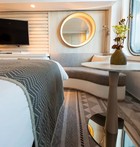
Prestige Stateroom Deck 4
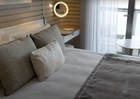
Prestige Stateroom Deck 5
Prestige Stateroom Deck 6
Deluxe Suite Deck 3
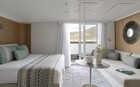
Deluxe Suite Deck 4
Deluxe Suite Deck 5
Deluxe Suite Deck 6
Prestige Suite Deck 5
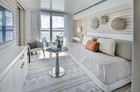
Prestige Suite Deck 6
Privilege Suite Deck 5
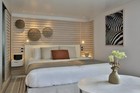
Privilege Suite Deck 6
Grand Deluxe Suite
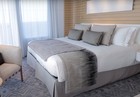
Owner's Suite
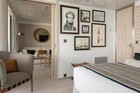
Vessel Type: Luxury
Passenger Capacity: 92 cabins
Built: 2017/2018
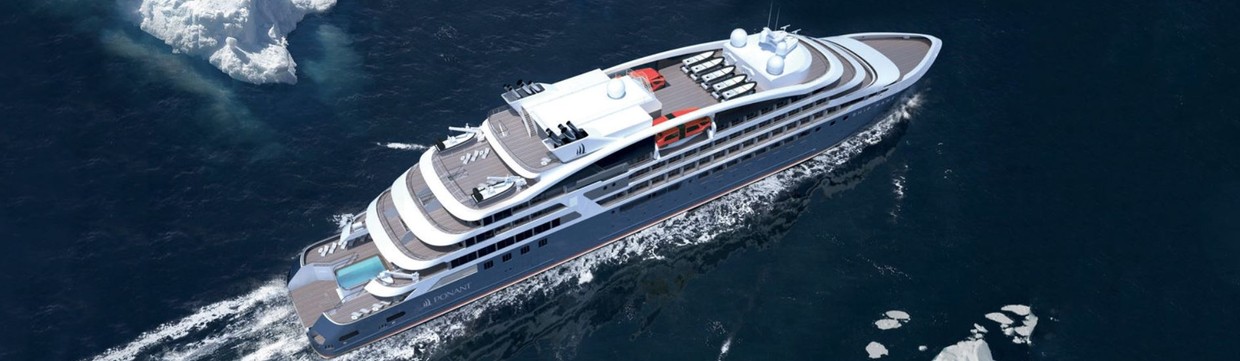
Le Dumont d’Urville is one of PONANT’s state-of-the-art Explorer-class yachts, designed to combine refined French sophistication with immersive expedition travel. Hosting a maximum of 184 guests across 92 elegantly appointed staterooms and suites, the ship offers an intimate cruising experience defined by comfort, style, and innovation. Expansive lounge areas, a panoramic theatre, and multiple bars create inviting spaces to relax and socialise, while the infinity pool seamlessly blends into the sea views. From the marina platform, guests can easily embark on Zodiac excursions or enjoy water activities in serene surroundings.
Every detail aboard Le Dumont d’Urville reflects a celebration of nature and discovery. Guests enjoy world-class gastronomy, a serene spa and fitness area, and advanced technology that supports environmentally responsible exploration. Purpose-built for navigating diverse destinations — from Nordic fjords and Mediterranean coastlines to Caribbean islands and Arctic waterways — this sleek, modern vessel embodies the art of travel at sea: luxurious, sustainable, and deeply connected to the natural world.


Special Offers on There is a Little Bit of Franz Schubert in All of Us
Online prices reflect the current brochure fare savings of up to 30%. Prices may change based on demand. Terms and conditions apply. This special offer is subject to availability. Please contact us for more details.
Inclusions
• Accommodation in stateroom
• The full meal plan
• The Open Bar: beginning with boarding, and during the duration of the cruise, a wide selection of drinks (mineral water, soft drinks, wine, beer, champagne, spirits, coffee, tea) is served on request and at any time of the day. Certain premium alcoholic beverages on the menu are not included in the Open Bar
• Free Wi-Fi internet access 24 hours a day*
• Activities offered during expedition cruises
• Access to all the common areas on board our sister ships and Ponant Explorers: fitness room, steam room, hair salon, swimming pool (sea water, heated), solarium, lounges, theater, boutique & leisure area
Exclusions
• Flights other than those mentioned in the itinerary
• Travel insurance
• Passport and visa costs if applicable
• Premium beverages package (Can be purchased on board)
• Optional Excursions where applicable
• Spa treatments on board
• Pre and post cruise accommodation unless otherwise stated
• Transfers unless specified
• Gratuities
 Luxury Expedition
Our Associates Include


