Maxim Vengerov et Ses Amis - Musical Luxury Cruise
Experience the rare luxury of having all the time in the world, during a summer holiday on the Atlantic coast. Whether during a stopover or an overnight stay, enjoy the fresh air and take a stroll through the narrow streets brimming with history, explore the green landscapes on foot or by bike, and marvel at art collections housed in boldly designed museums. Between unspoilt coastlines, iconic pilgrimage sites, and towns full of character, such as Saint-Jean-de-Luz, Santander and A Coruña, time stands still to celebrate the art of living, good food, history and the beauty of the Gascon and Iberian horizons. From the Basque Country to Cantabria, Asturias and Galicia, and on to Portugal, summer will unfold slowly, punctuated by cultural discoveries and outdoor activities along the legendary Santiago de Compostela trails.
Highlights
• Every evening, enjoy an exclusive onboard concert with our guest artists.
• Discover the rich culture and lush scenery of the Gascon and Iberian shorelines, through a range of summer activities designed to make the most of this beautiful season in the countryside.
• Places of interest: the UNESCO-listed historic centre of Oporto from Leixões; the UNESCO-listed Old Town of Santiago de Compostela; Avilés, home to medieval, Gothic, Romanesque and modern architecture; and much more.
Bordeaux stretches along the banks of the Garonne river, in South-West France. Its rich wine tradition makes it the world capital of wine. Let yourself be carried away by the history of the Port de la Lune, made a UNESCO World Heritage site for its prestigious classical architecture. On the famous Place de la Bourse, the past and the present unite: here you can observe the majestic old buildings reflected in the contemporary Miroir d’eau creation.
Located on France’s Atlantic coast, the Gironde Estuary stretches between Bordeaux and the Atlantic Ocean. Sail through peaceful landscapes lined with traditional fishing huts, charming villages, and renowned vineyards bordering the estuary’s shores. Between shifting light and preserved nature, let yourself be carried away by the unique atmosphere of this majestic waterway, shaped by the tides and the region’s maritime history.
A renowned seaside resort in the South West of France, Saint-Jean-de-Luz is a picturesque and authentic town with a rich history. In particular, King Louis XIV married Maria Teresa in the famous Saint Jean the Baptist church in 1660. The seafront unveils stunning views, between the Basque architecture and the Cantabrian Sea. An unforgettable bay, which was frequented in the 17th century by privateers and wealthy ship-owners.
Facing the Bay of Biscay, its backdrop a natural setting that combines sea and mountain, Santander rolls out along a huge bay on the northern coast of the peninsula. A city of maritime tradition, it has a century-old touristic vocation. It is home to two treasures that are UNESCO World Heritage Sites: a part of the Way of Saint James and the Cave of Altamira. Its Prehistory and Archaeology Museum houses one of the most valuable Palaeolithic collections in Europe and the Maritime Museum of Cantabria is one of the most comprehensive museums in Spain dedicated to the sea. Its beaches with peaceful waters, protected from the wind, offer one of the most beautiful sea fronts with a succession of Belle Époque buildings.
Now the third largest city in the Principality of Asturias, Aviles has managed to retain all its charm. Its old town, declared a Historic-Artistic Site, contains architectural marvels such as the pedestrianised streets Calle Galiana and Calle Rivero, the Plaza de España and its town hall, and the Church of Sabugo, dating from the 13th century. Between palaces – including the very beautiful Valdecarzana and Camposagrado palaces –, shady arcades, fountains and other historical monuments, fall in love with this city and its unique heritage.
La Coruña stands on a peninsula in north-west Spain. As you enter the harbour, you can see the imposing Castillo de San Antón, which houses archaeological collections from Galicia. In the old town, you’ll travel back in time as you meander through the streets from the medieval church of Santiago to the contemporary Domus building, a museum dedicated to human biology and psychology. Brightly coloured tramways connect to the waterfront, on one side, Riazor beach, and on the other, the Hercules tower: this lighthouse overlooking the Atlantic, is a UNESCO World Heritage site, listed for its history dating back to Antiquity.
La Coruña stands on a peninsula in north-west Spain. As you enter the harbour, you can see the imposing Castillo de San Antón, which houses archaeological collections from Galicia. In the old town, you’ll travel back in time as you meander through the streets from the medieval church of Santiago to the contemporary Domus building, a museum dedicated to human biology and psychology. Brightly coloured tramways connect to the waterfront, on one side, Riazor beach, and on the other, the Hercules tower: this lighthouse overlooking the Atlantic, is a UNESCO World Heritage site, listed for its history dating back to Antiquity.
Nestling on the Atlantic coast, in the south of Galicia, the former fishing port of Vigo is now the region’s largest municipality. Its old town, more commonly known as O Berbés, will unveil its many historical monuments and the unusual architectural style of its homes. Off the coast, the Cíes Islands, declared a Nature Reserve and located in the Atlantic Islands of Galicia National Park, offer truly splendid landscapes and exceptional biodiversity. Further north, make sure you visit Santiago de Compostela, which welcomes many pilgrims from all over the world every year. Designated a UNESCO World Heritage Site, its historical centre has significant architectural heritage.
Located at the mouth of the Douro River, the port of Leixões lies less than 10 kilometres from Porto. A UNESCO World Heritage Site, the historic centre of Porto is worth a visit for its famous Ribeira district, the metallic silhouette of the Dom-Luis bridge looming over its ancient houses, its richly decorated Baroque churches and its national Soares dos Reis museum. The São Bento station is also interesting for its typically Portuguese decoration, using Azulejos, blue square ceramic tiles decorated with geometric patterns or figurative scenes.
Portugal’s capital city located on the banks of the Tagus, only a few kilometres from the Atlantic coast, is a city of exceptionally rich cultural diversity. At the mouth of the river harbour, impose two UNESCO World Heritage monuments, Jeronimos monastery and Belem tower. The Alfama hillside is also worth visiting: known for its fado bars and its Moorish streets, this district is the oldest one of the city and one of the most typical. Not far from there, Chiado’s elegant streets are home to big fashion labels and are an invitation to a bit of of luxury shopping.
Itineraries are subject to change.
|
Book now |
Superior Stateroom

Deluxe Stateroom
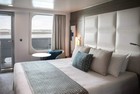
Prestige Stateroom Deck 4

Prestige Stateroom Deck 5
Prestige Stateroom Deck 6
Deluxe Suite
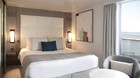
Prestige Suite Deck 5
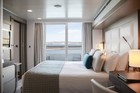
Prestige Suite Deck 6
Owner's Suite
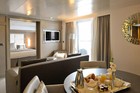
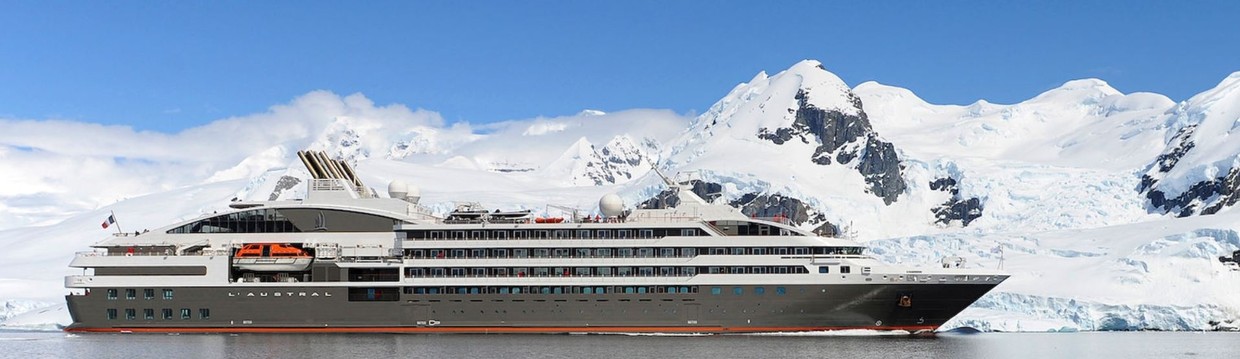
Vessel Type: Luxury Expedition / Cruise Ship
Length: 142 metres
Passenger Capacity: 264 (200 in Antarctica)
Built: 2011
L’Austral is a sleek, French-designed expedition yacht combining modern elegance with an intimate atmosphere. With just 132 staterooms for 264 guests, she offers the refined feel of a private yacht, enhanced by attentive service and stylish interiors featuring fine materials, harmonious colours, and discreet touches of brightness. Built by Fincantieri in Ancona, Italy, she is 466 ft long with a 59 ft beam, ice-class certified (1C), and equipped with the latest eco-design innovations, continually upgraded to improve environmental performance.
Designed for both polar adventures and tropical voyages, L’Austral features six guest decks, elegant dining venues, and 11 Zodiacs for immersive exploration. Life on board blends relaxation and discovery, with refined gastronomy, welcoming social spaces, and an emphasis on responsible travel. From the subantarctic islands to sunlit coasts, she offers a chic and comfortable way to experience the world, always with PONANT’s signature style of elegance, intimacy, and connection to the sea.



Special Offers on Maxim Vengerov et Ses Amis
Online prices reflect the current brochure fare savings of up to 30%. Prices may change based on demand. Terms and conditions apply. This special offer is subject to availability. Please contact us for more details.
Inclusions
• Accommodation in stateroom
• The full meal plan
• The Open Bar: beginning with boarding, and during the duration of the cruise, a wide selection of drinks (mineral water, soft drinks, wine, beer, champagne, spirits, coffee, tea) is served on request and at any time of the day. Certain premium alcoholic beverages on the menu are not included in the Open Bar
• Free Wi-Fi internet access 24 hours a day*
• Activities offered during expedition cruises
• Access to all the common areas on board our sister ships and Ponant Explorers: fitness room, steam room, hair salon, swimming pool (sea water, heated), solarium, lounges, theater, boutique & leisure area
Exclusions
• Flights other than those mentioned in the itinerary
• Travel insurance
• Passport and visa costs if applicable
• Premium beverages package (Can be purchased on board)
• Optional Excursions where applicable
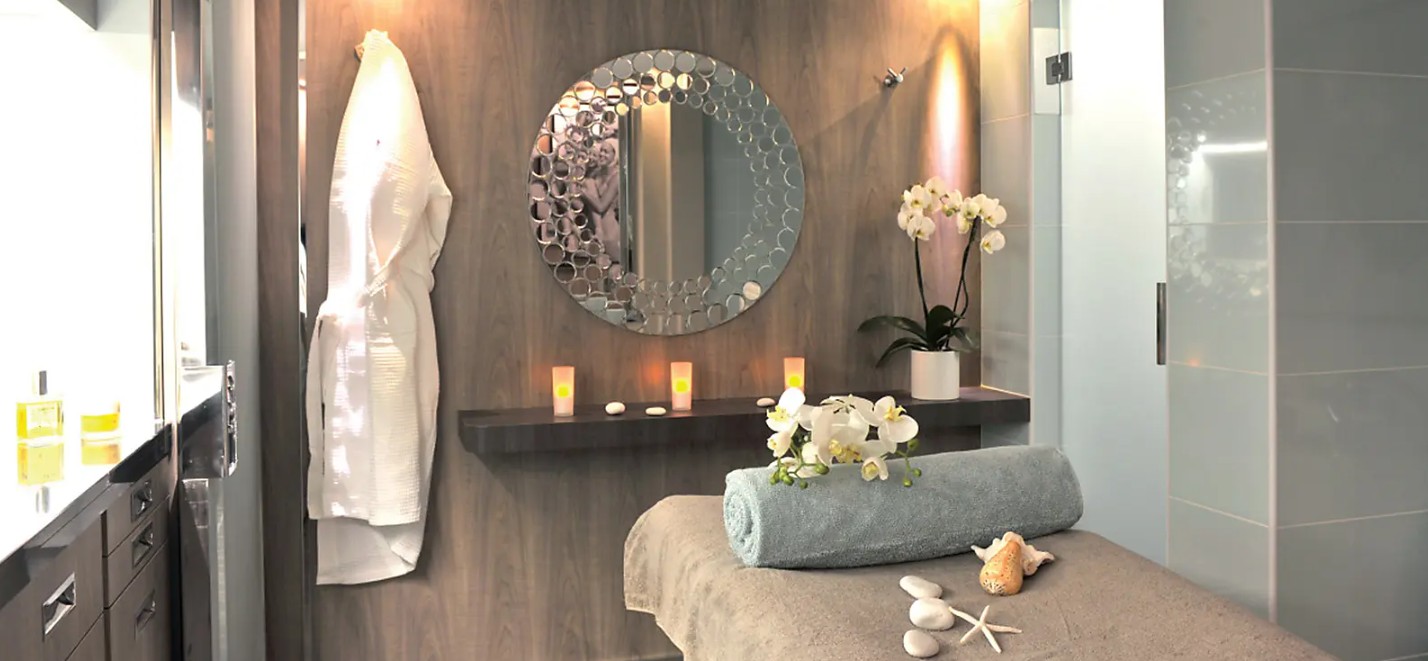
• Spa treatments on board
• Pre and post cruise accommodation unless otherwise stated
• Transfers unless specified
• Gratuities
 Luxury Expedition
Our Associates Include


