Japan and Korea Cruise: Cultural Shores and Northern Landscapes
Continue north from Hiroshima along the Sea of Japan coast — a quieter, less-travelled side of the country, where castle towns, fishing villages and hot spring ports follow one after another. Cross to Busan for a day in Korea, then return to Japan and keep moving north: through sake-brewing towns, lacquerware villages and the island of Sado, once a place of exile, before reaching Hokkaido in the final days.
Highlights
• Expert-led Talks - Learn more about this isolated polar region from our on board team of experts.
• Japan in Detail - Experience Japan through places that still carry the country’s feudal and craft traditions, from castle towns to ports shaped by trade.
• Natural Walks - Enjoy expert-led excursions to historic landmarks, serene temples, and national parks.
• Echoes of the Pacific War - Trace WWII history across the region, from island shores where rusted aircraft and shipwreck relics still sit in the landscape to places of remembrance, with expert context that brings the story into focus.
Hiroshima is a city of quiet strength, where modern life sits beside places of remembrance. It is also a gateway to nearby sacred landscapes, with calm coastal scenery and a strong sense of local tradition. It is an opening that sets a thoughtful tone for the voyage
Beppu is best known for Jigoku Meguri ("Boiling Hells") - seven vivid geothermal springs too hot for bathing but offering stunning colours, bubbling mud and soaring steam. Nearby, Mount Takasaki's 1,500 wild Japanese macaques can be seen up close at Takasakiyama Monkey Park. A short trip away, Usuki features 60 stone-carved Buddhist statues in peaceful park grounds with feudal castle ruins and 1,000 cherry trees
Sailing through the Kanmon Strait is challenging with strong currents and an S-shaped bend. One of the world’s busiest shipping lanes, the strait cuts a dramatic 38 km (24 mi) channel, narrowing to 700 m (0.4 mi) at its tightest point. The graceful Kanmon Bridge, a 1,068-m (3,504-ft) suspension bridge, spans the waterway between Honshu and Kyushu. Shimonoseki overlooks the strait from Honshu, while Moji district stands watch from Kyushu
A castle town on the northern coast of Kyushu, where a 16th-century fortress sits on a pine-covered promontory above the bay. Karatsu is one of Japan's principal centres of ceramic production — Karatsu ware has supplied tea ceremony vessels since the late Muromachi period, and working kilns still operate on the town's outskirts. The beach of Niji-no-Matsubara, a coastal pine forest stretching several kilometres along the shore, has been considered one of Japan's three most scenic pine groves for centuries
Busan is a port city with beaches, hills, and a busy harbour energy. It blends memorial sites and modern neighbourhoods with markets that still feel local and direct. Compared to Japan’s smaller ports, it is louder, bigger, and more urban
Sakaiminato has the feel of a working coastal town, shaped by seafood, folklore, and a slower pace. Nearby landscapes shift quickly from shoreline to forested mountains, with gardens and museum spaces that match the region’s quiet aesthetic. It is a softer, more intimate stop after Busan
A fishing village on the northern coast of the Tango Peninsula, where around 230 funaya — traditional boathouses built directly over the water — line the inner shore of a near-circular bay. Residents moor their boats on the ground floor and live above. The village has changed little in two centuries and carries national preservation status. Approached from the sea, the funaya present an unbroken wooden facade at the waterline — one of the most distinctive streetscapes in Japan
Maizuru carries naval history and a clear link to the Meiji era, with brick warehouses and a harbour built for strategy. The wider region opens into classic Kyoto area scenery, where refined culture, temples, and historic districts are within reach. It is a day that balances port history with inland elegance
Wajima, a port town on the northern Noto Peninsula, is famed for its Wajima-nuri lacquerware, which is renowned for its durability and displayed at the Museum of Lacquer Art. The thousand-year-old daily Asaichi (Morning) Market is the primary hub, buzzing with locals selling fresh seafood, produce and the distinctive lacquerware. Nearby, Kiriko Hall displays huge illuminated festival floats, some 15 metres tall, used in summer celebrations
Show less
Sado, Japan's sixth largest island, has a quaint port at Ogi known for tarai-bune, traditional wooden boats. The island is also famous for its world-renowned taiko drummers, continuing a rich cultural tradition. Once a place of exile for artists and academics, Sado now draws visitors to its rugged coasts, hidden beaches and lush terrain for outdoor activities
Sakata, a port city on the Mogami river, thrived on rice and safflower trade. The traditional 1893 Sankyo Rice Storehouses, shaded by zelkova trees, are now a cultural hub with shops. The city's quiet streets feature preserved, wealthy Edo-era homes, including the Honma Museum of Art with fine art and gardens. South of the river, The Ken Domon Museum honours the famed photographer’s powerful work, including images of Hiroshima survivors
The city of Hakodate in Hokkaido is Japan's northernmost island and is well-known for its seafood, for sale daily at the morning market. Mount Hakodate, reached by gondola, watches over the bustling city. While the area is rich in hot springs, it is best known for the famous snow monkeys who bathe in the hot springs of Yunokawa Onsen at the Hakodate City Tropical Botanical Garden
An important port on Hokkaido, Japan’s northernmost island, Otaru retains original architecture. Restored warehouses along its canal, lined with Victorian street lamps, house restaurants and boutiques selling sake, music boxes and renowned Otaru glass. Rooted in the herring industry, the town's trading history is evident from Hokkaido's first railway line terminal to the Herring Mansion on the outskirts, once owned by wealthy herring fishermen
Itineraries are subject to change.
|
Book now |
Oceanview D4

Oceanview M4
Balcony D5

Balcony M5
Balcony D6
Suite

Premium Suite

Vessel Type: Expedition Ship
Length: 115 meters
Passenger Capacity: 158
Built: 2020-2021
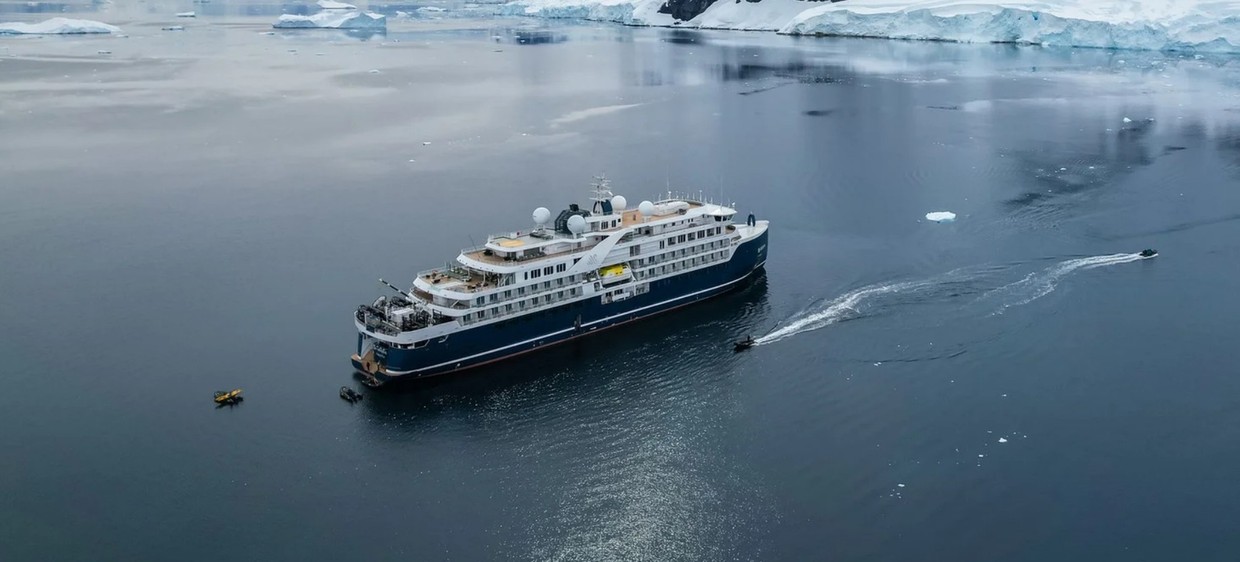
The SH Minerva is a boutique expedition ship purpose-built for exploring far-flung destinations and remote polar regions in comfort and style. Crafted at Finland’s esteemed Helsinki Shipyard, she features a Polar Class PC5 ice-strengthened hull and advanced stabilisers, ensuring smooth sailing even in challenging waters. With just 158 guests served by 122 crew across nine decks, the atmosphere on board is intimate and welcoming. Elegant Scandinavian-inspired interiors, panoramic observation spaces, and a range of facilities – from the stargazing deck and library to the spa, heated outdoor pool, and fine dining venues – make every moment at sea a pleasure.
Accommodation ranges from well-appointed oceanview staterooms to spacious premium suites, each offering thoughtful touches such as a flame-effect fireplace, Illy espresso machine, luxury toiletries, and complimentary binoculars for wildlife spotting. Many feature private balconies for uninterrupted views of the passing scenery. Attentive crew provide a warm, personalised service, ensuring that every guest feels at home while enjoying a journey that blends adventure with refined comfort. Whether navigating icy channels or gliding into sunlit harbours, the SH Minerva offers an unforgettable cruising experience.


Inclusions
• Charter flights to the port of embarkation/ disembarkation (Longyearbyen, Ushuaia, Kangerlussuaq, Nuuk)
• Group return transfers from airport to cruise port and to the hotel (where included - please enquire)
• One night pre-cruise accommodation with breakfast in a 4/5-star hotel (where included - please enquire)
• All meals onboard
• 24-hour room service
• Coffee, tea, soft drinks, and selected alcoholic beverages, available 24 hours per day
• Lecture programs by our experienced expedition team and guest speakers
• Standard WiFi
• Onboard gratuities and port taxes
• One selected shore excursion/expedition activity per port of call (kayaking not included – however this can be pre-booked)
• In polar regions: Branded Swan Hellenic expedition parka to take home and use of rubber boots for wet zodiac landings.
Exclusions
• Kayaking, private tours, special arrangements, and private Zodiac tours on request and based on availability.
• Additional shore excursions are also offered (excluding polar regions, where all excursions are Zodiac-based and included). At each destination/ port of call, one pre-selected shore excursion will be included free of charge. All other excursion offers will be available at additional cost.
• Premium wines and spirits from the bar menu
• Purchases from the ship’s boutique, laundry expenses, premium WiFi packages, and spa treatments
• Visas where required, travel insurance, flights, domestic transfers, and any hotel requirements pre- or post-cruise, unless otherwise stated within the itinerary description.
 Luxury Expedition
Our Associates Include


