Iberian Peninsula, Balearic Islands and Moroccan Shores Luxury Cruise
Fall under the spell of a journey from southern Spain to the shores of Morocco, at the heart of a region where two seas and two continents meet. From light-drenched Andalusia to the coast of North Africa via the Balearic Islands and the region of Murcia, the landscapes and cities tell the story of centuries of exchange and cultural blending, in places such as Melilla, former commercial crossroads and veritable cultural mosaic. Further north, facing the Strait of Gibraltar, Tangier embodies this unique meeting point between Europe and Africa. The mix of historic towns and fortified cities creates a rich and contrasting setting, featuring Andalusian heritage, Arab influences and Mediterranean gentleness.
Highlights
• Discovery of the Iberian Peninsula’s emblematic cities, which are among the oldest in the Western Mediterranean.
• Rich ancestral heritage and archipelagos featuring enchanting scenery (Balearic Islands).
• Cross the mythical Strait of Gibraltar, the only maritime passage connecting the Atlantic Ocean and the • Mediterranean Sea.
A historical and festive town, Málaga is located in Andalusia, on the Costa del Sol. Between the marina and the beaches, the seaside promenade of La Farola offers an ideal setting for strolling and relaxing. Set slightly further back, the Malagueta bullring is one of the emblematic sites of the city. From the hill overlooking the old town, one can see Gibralfaro castle and the Alcazaba, two fortified ensembles rising out from the cypresses and maritime pines. To visit Pablo Picasso’s birthplace, you will go first to the courtly plaza de la Merced. A few streets back from here, you can explore the museum dedicated to the artist, in the Buenavista palace.
Nestling in the Bay of Tangier, this bewitching Moroccan city lies at the northwestern tip of the country, along the famous Strait of Gibraltar. Following in the footsteps of the writers and artists inspired and seduced by the city’s climate and setting, you’ll love its rich landscapes and multicultural charm. You’ll instantly understand as soon as you set foot in the heart of the Medina. An architectural masterpiece, the Kasbah is your gateway to the Sultan’s Palace and its gardens. If you prefer beaches to museums, you can relax just a few minutes from the city on the beautiful sweep of sand bathed by the Atlantic Ocean.
An autonomous city of Spain on the North African coast, Melilla and its citadel sit on the edge of Cape Three Forks, between Morocco and the Mediterranean Sea, offering breathtaking views of this blue expanse. A perfect blend of history and modernity, the city boasts charming cobbled streets, imposing ramparts and a number of historic sites that are well worth a visit, including the Baluarte de la Concepción and the Hospital del Rey. In contrast to these vestiges of the city's military past, the Art Nouveau curves of the Palacio de la Asamblea, Casa Melul, the Reconquista building and Plaza Menéndez Pelayo reflect the influence of Gaudi's student Enrique Nieto, who lived here, and the great Catalan Modernist period. After Barcelona, Melilla has the largest number of buildings in this style.
Surrounded by hills, the natural site of the Bay of Carthagena presided over the fate of this former fortress which has been home to the greatest European civilisations. Today, these Phoenician, Roman, Carthaginian, Moorish and Christian influences form a rich architectural heritage. Its Roman theatre is one of the most significant and best conserved in Spain. You will also be able to cross the landscapes of vines and citrus groves stretching endlessly towards Murcia, to visit this dynamic regional capital.
The emblematic island of the Balearics, “the white island” was a haven for European artistic bohemians from the 1930s and a paradise for hippies in search of authenticity in the 1960s. It has been a giant nightclub for gilded youth since the 1990s. Behind this fiesta economy, Ibiza has managed to preserve the charms of its wild coves and its villages of white fincas with flat roofs that inspired Le Corbusier. The island is a UNESCO World Heritage Site thanks to its exemplary marine and coastal ecosystems but also thanks to the architectural vestiges of this former stronghold of the Mediterranean economy, from the Phoenicians up to the Renaissance.
Valencia - the city of Art and Sciences. Two hearts beat in this Spanish city: one is modern, avantgarde and almost futuristic; the other is more provincial, more traditional and nostalgic. Valencia has the temperament of a great Mediterranean city whose wide avenues form a border around the old town. The city has an abundance of architectural styles that coexist harmoniously, but above all it resolutely embraces the 21st Century with the futuristic structures of its Agora congress centre and City of Arts and Sciences, emerging from a crystal blue pool.
Itineraries are subject to change.
|
Book now |
Superior Stateroom

Deluxe Stateroom
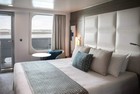
Prestige Stateroom Deck 4

Prestige Stateroom Deck 5
Prestige Stateroom Deck 6
Deluxe Suite
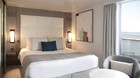
Prestige Suite Deck 5
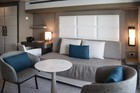
Prestige Suite Deck 6
Owner's Suite
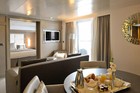
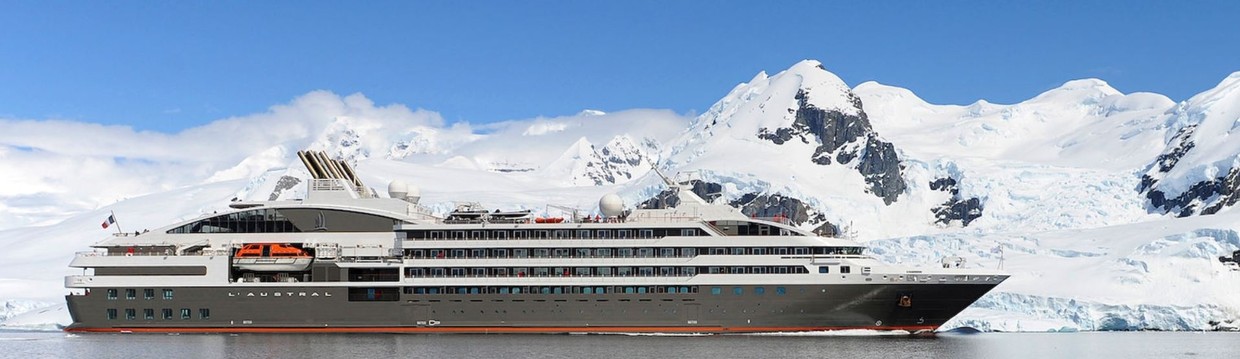
Vessel Type: Luxury Expedition / Cruise Ship
Length: 142 metres
Passenger Capacity: 264 (200 in Antarctica)
Built: 2011
L’Austral is a sleek, French-designed expedition yacht combining modern elegance with an intimate atmosphere. With just 132 staterooms for 264 guests, she offers the refined feel of a private yacht, enhanced by attentive service and stylish interiors featuring fine materials, harmonious colours, and discreet touches of brightness. Built by Fincantieri in Ancona, Italy, she is 466 ft long with a 59 ft beam, ice-class certified (1C), and equipped with the latest eco-design innovations, continually upgraded to improve environmental performance.
Designed for both polar adventures and tropical voyages, L’Austral features six guest decks, elegant dining venues, and 11 Zodiacs for immersive exploration. Life on board blends relaxation and discovery, with refined gastronomy, welcoming social spaces, and an emphasis on responsible travel. From the subantarctic islands to sunlit coasts, she offers a chic and comfortable way to experience the world, always with PONANT’s signature style of elegance, intimacy, and connection to the sea.



Special Offers on Iberian Peninsula, Balearic Islands and Moroccan Shores
Online prices reflect the current brochure fare savings of up to 30%. Prices may change based on demand. Terms and conditions apply. This special offer is subject to availability. Please contact us for more details.
Inclusions
• Accommodation in stateroom
• The full meal plan
• The Open Bar: beginning with boarding, and during the duration of the cruise, a wide selection of drinks (mineral water, soft drinks, wine, beer, champagne, spirits, coffee, tea) is served on request and at any time of the day. Certain premium alcoholic beverages on the menu are not included in the Open Bar
• Free Wi-Fi internet access 24 hours a day*
• Activities offered during expedition cruises
• Access to all the common areas on board our sister ships and Ponant Explorers: fitness room, steam room, hair salon, swimming pool (sea water, heated), solarium, lounges, theater, boutique & leisure area
Exclusions
• Flights other than those mentioned in the itinerary
• Travel insurance
• Passport and visa costs if applicable
• Premium beverages package (Can be purchased on board)
• Optional Excursions where applicable
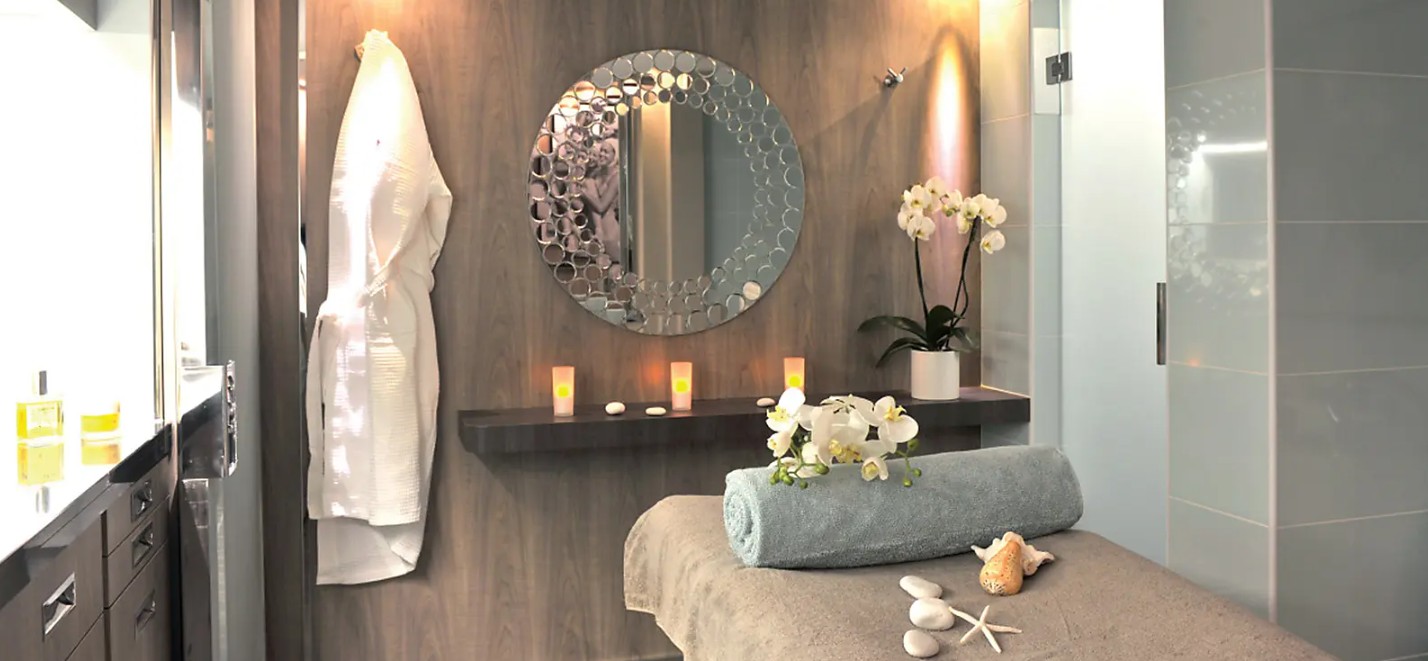
• Spa treatments on board
• Pre and post cruise accommodation unless otherwise stated
• Transfers unless specified
• Gratuities
 Luxury Expedition
Our Associates Include


