Historic Ports of the Western Seabord - Small Ship Cruise
Walk historic waterfronts, cross open ocean, and trace Europe's Atlantic edge from the North Sea to the Tagus — through centuries of maritime history and three distinct coastlines that most travellers never see from the water.
Highlights
• The route traces Europe's Atlantic facade from north to south — from the flat coastlines of the North Sea through the historic harbour towns of Normandy and Brittany, across the Bay of Biscay, and down the rugged, ría-cut shores of Cantabria and Galicia to Portugal. Nine days, nine distinct ports, each shaped by the sea in a different way.
Amsterdam is a gorgeous Dutch city where a boat cruise along the canals gets to the heart of things. Yet, the magic also unfolds while strolling through narrow streets and crossing the hundreds of bridges. It houses a treasure trove of fabulous art museums, including the Rijksmuseum, adorned with Dutch Masters, conveniently located near the Van Gogh Museum. To the south, picturesque stretches of countryside with windmills line the canals
Once a retreat for European nobility, Oostende's charm lies in its sandy beaches, boardwalk, racetrack, 19th-century Belle Époque architecture, beachfront cafés and a harbour with seafood stalls. The Atlantikwall, a network of WWI and WWII bunkers, is now an open-air museum. Other museums include the Ensor Museum with James Ensor's maritime artworks, the Mercator aboard a 1930s three-masted ship, and Mu.ZEE, displaying Belgian art from the 1830s
Honfleur in Normandy has attracted artists for centuries, including Impressionist Claude Monet, with many works on display at The Eugène Boudin Museum. Set on the Seine estuary in the department of Calvados (known for apple brandy), this picturesque harbour town has cobbled streets and colourful 16th- to 18th-century townhouses around the Vieux Bassin (old harbour). The 15th-century St. Catherine's Church is built entirely of wood by shipwrights
The medieval coastal city of Saint-Malo is a labyrinth of streets. Dating back to the 12th century, Saint-Malo was once a haven for pirates and a stopping point for merchant ships. Today, colourful shops sit alongside aromatic markets, cafes and restaurants serving oysters, crêpes and cider. Intra-Muros, the ancient walled town, forms the heart of Saint-Malo, where the striking Gothic and Romanesque Cathédrale de St Malo dominates the skyline.
Sea days are rarely dull. Take the time to sit back and let the world go by. The ship’s observation decks provide stunning views of the passing ocean. A day at sea gives you the opportunity to mingle with other passengers and share your experiences of this incredible trip or head to our library which is stocked full of reference books. Get an expert’s view in one of our on-board lectures or perhaps perfect your photography skills with invaluable advice from our onboard professional photographers
Santander, known for its beaches, unveils tales of a bygone era through medieval alleyways and ancient architecture. The Paseo de Pereda is a lush haven of gardens and sculptures. The city's history, dating back to Roman times, is marked by landmarks like the 13th-century Gothic cathedral, Catedral de la Asunción, and the Palacio de la Magdalena, a former royal summer residence. Santander is also renowned for traditional Basque cuisine
With a rich seafaring history and scenic beaches, Ferrol, in A Coruña, Galicia, on the Atlantic coast, champions the Ferrol Naval Museum and the 16th-century San Felipe Castle. Nearby, La Coruña, dubbed the Crystal City for its glass-fronted buildings, showcases the 1st-century Hercules Tower, a UNESCO landmark. Santiago de Compostela, a famed pilgrimage centre, houses the cathedral believed to hold the remains of St. James the Great
Vilagarcía de Arousa serves as the natural gateway to Santiago de Compostela, where a sweeping seafront promenade buzzes with waterfront cafés and restaurants offering fresh Galician seafood. Inland lies the UNESCO World Heritage Old Town of Santiago de Compostela, where the soaring spires of its legendary cathedral welcome thousands of pilgrims completing their transformative journey along the ancient Camino de Santiago pilgrimage route
Famed for its port wine and bridges over the river Douro, Portugal’s second city, Oporto (Porto) is a city of two halves. On the left bank is Gaia's famed port houses such as Graham's and Taylor's. Ribeira, on the right bank, has rows of colourful old houses that line the riverfront, narrow streets that rise up the hill and Igreja de Carmo church whose facade is adorned with blue azulejos (tiles). A vintage tram trundles to the Foz district
Spread over seven hills with São Jorge Castle views, bustling Lisbon is one of the world's oldest cities. Elegant Baixa, hilltop Alfama with its yellow tram, and scenic Graça overviewing pastel buildings, are top areas. The Jerónimos Monastery in Belém is a World Heritage Gothic site. The classic Portuguese pastel de nata custard tarts are a local treat. Europe’s longest suspension bridge, the Ponte 25 de Abril, crosses the river Tagus
Itineraries are subject to change.
|
Book now |
Oceanview D4. From

Oceanview M4. From

Balcony D5. From

Balcony M5. From

Balcony D6. From

Junior Suite. From

Suite. From

Premium Suite. From

Vessel Type: Expedition Ship
Length: 125 meters
Passenger Capacity: 192
Built: 2022/2023
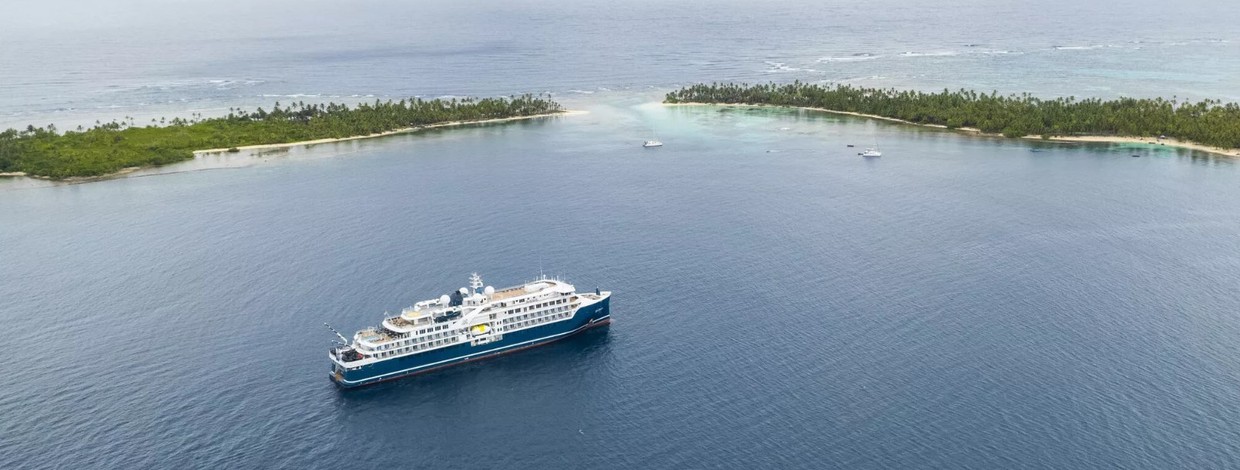
SH Diana is the newest and largest ship in the Swan Hellenic fleet, designed for modern expedition cruising with a strong sense of elegance and purpose. Built in Finland’s renowned Helsinki Shipyard, she combines cutting-edge hybrid diesel-electric propulsion and a Polar Class 6 ice-strengthened hull, enabling smooth exploration of the world’s most remote and rugged destinations. With space for just 192 guests, SH Diana offers a boutique 5-star experience across nine decks, featuring expansive viewing areas, a grand staircase, and refined interiors accented with exclusive onboard artwork.
On board, guests enjoy exceptional facilities including the panoramic sauna, open-deck jacuzzi, heated outdoor pool, and dedicated expedition areas like the Swan’s Nest and BaseCamp. Cabins are thoughtfully equipped with Champagne, Lajatica toiletries, Nikon binoculars, and Illy coffee machines, ensuring comfort at every turn. Dining is a delight with venues like the Swan Restaurant and Pool Bar & Grill, while the crew’s attentive and personalised service ensures you feel truly cared for from the moment you step aboard. SH Diana is the perfect vessel for those seeking adventure wrapped in luxurious simplicity.


Inclusions
• Charter flights to the port of embarkation/ disembarkation (Longyearbyen, Ushuaia, Kangerlussuaq, Nuuk)
• Group return transfers from airport to cruise port and to the hotel (where included - please enquire)
• One night pre-cruise accommodation with breakfast in a 4/5-star hotel (where included - please enquire)
• All meals onboard
• 24-hour room service
• Coffee, tea, soft drinks, and selected alcoholic beverages, available 24 hours per day
• Lecture programs by our experienced expedition team and guest speakers
• Standard WiFi
• Onboard gratuities and port taxes
• One selected shore excursion/expedition activity per port of call (kayaking not included – however this can be pre-booked)
• In polar regions: Branded Swan Hellenic expedition parka to take home and use of rubber boots for wet zodiac landings.
Exclusions
• Kayaking, private tours, special arrangements, and private Zodiac tours on request and based on availability.
• Additional shore excursions are also offered (excluding polar regions, where all excursions are Zodiac-based and included). At each destination/ port of call, one pre-selected shore excursion will be included free of charge. All other excursion offers will be available at additional cost.
• Premium wines and spirits from the bar menu
• Purchases from the ship’s boutique, laundry expenses, premium WiFi packages, and spa treatments
• Visas where required, travel insurance, flights, domestic transfers, and any hotel requirements pre- or post-cruise, unless otherwise stated within the itinerary description.
 Luxury Expedition

Our Associates Include


