20 Days Philippines & Indonesia Luxury Cruise - Manila to Singapore
Seek out the treasures of the far-flung Philippines and islands of Indonesia, from submerged reef walls to dreamy white sandbars. Begin with the kaleidoscopic corals of Apo Reef and discover the Chocolate Hills at Bohol. Continue to ethereal stingless jellyfish and emerald islands at Sohoton Bay. Meet the dragons on Komodo and relish the turquoise waters of Karimunjawa before concluding in Singapore.
Highlights
• Discover the Philippines’ tropical wonders – snorkel among the vibrant corals of Apo Reef, relax on the white sands of Kalanggaman Island and explore Bohol’s famous Chocolate Hills and natural landscapes.
• Explore the remote islands of Indonesia – encounter traditional island communities, pristine marine environments and the legendary Komodo dragons, with visits to Komodo Island and Pink Beach.
• Experience exceptional marine life and island scenery – from the stingless jellyfish of Sohoton Bay and the reefs of Bunaken Marine Park to the turquoise waters of Karimunjawa and the striking Belitung Islands.
Manila is the Philippines' sprawling capital, known as the Pearl of the Orient, with Intramuros as its cobbled historic core where the Spanish once ruled. Fort Santiago is a UNESCO World Heritage Site that has survived World War II bombardments, fires, and earthquakes. Rizal Park, where independence hero Jose Rizal was executed, is both a national symbol and a green oasis within the densely populated city.
Apo Reef is the world's second-largest contiguous coral reef system and a designated UNESCO Marine Sanctuary, its glass-clear waters sheltering tropical fish, sea turtles, and reef sharks. The small islands of the reef are fringed by white sand and backed by lush mangroves, offering snorkelling, diving, and birdwatching in some of the Philippines' most saturated natural colour. Few places on the planet combine scale, clarity, and biodiversity so completely.
Kalanggaman Island in the Philippines is famous for its sandbar that appears to float amid remote turquoise waters, consistently named one of the most beautiful and most photographed spots in the country. The island is largely free from infrastructure, with snorkelling above pristine coral gardens the main activity. Leaning palms offer the only shade on this minimal, unspoiled Pacific escape.
Bohol is home to the Chocolate Hills, more than 1,200 cone-shaped karst mounds scattered in a surreal natural display, and the Philippine tarsier, one of the world's smallest primates, protected in a quiet forest sanctuary. Palm-lined beaches invite relaxation along the coastline, while the Loboc River winds through the lush interior past centuries-old colonial churches and local villages. The island's culture is deeply rooted in its landscape and history.
Sohoton Bay in the Philippines' Leyte island is one of the country's most extraordinary natural environments. Mushroom-shaped limestone formations rise from emerald water, interconnected lagoons wind through the bay, and stingless jellyfish drift in the warm, enclosed Sohoton jellyfish lake. Kayaking through the bay's hidden caves and lagoons is one of the Philippines' most memorable outdoor experiences.
Days at sea are the perfect opportunity to relax, unwind, and pursue personal interests, whether visiting the gym, the spa, or simply watching for whales from deck. These blue sea days offer an ideal balance to busy days spent exploring ashore.
Sheltered by Pulau Lembah, Bitung is the chief port of Minahasa and lies 50km to the east of Manado. Since Manado harbor silted up over 100 years ago, Bitung has become the major port facility. The excellent deep water harbor has also given rise to many factories in the area. Although the town is not very attractive, there are some nice beaches along the way. Pier Information Distance to city center: 50km to ManadoTourist information — In Manado — Jln 17 AgustusOpelet (taxi) chauffeured by Kamikaze ‘pilots’ who break land air and water speeds all at once — caution is needed! They operate between Bitung and Manado. Depart from Manado’s Paal 2 Terminal and drop off at Mapalus Terminal just outside Bitung, where you catch another into Bitung proper.Time Difference Shopping Best shopping is in Manado – about 45 minute drive. Other Sites Provincial Museum — on Jln Ki Hajar DewantaraKlenteng Ban Hian Klong — Chinese Confucian Temple built in last century, renovated in 1974.Toar Lumimuut Monument — depicting the original ancestors of the Minabasans.Monument of Ibu Walanda Maramls — a pioneer of Indonesias women’s movement.Monument of the Allied Forces — Jln. Sarapung commemorates allied victory over Japan.
Strings of confetti that turn out to be schools of fish, graceful green sea turtles, visiting whales and dolphins — Bunaken Marine Park is an immersion in one of the world’s biodiversity hotspots. Just off remote North Sulawesi, experience the astonishing variety of life at the heart of the Coral Triangle, in some of the planet's finest dive waters. From the island, the seabed suddenly plummets away, forming dramatic walls where reefs drop to depths of more than a thousand meters. The array of tropical fish is simply remarkable, thousands of species from butterflyfish to bannerfish, among hundreds of types of coral and fans. One of Indonesia's first marine protected areas, Bunaken National Park was established in 1991 and covers five neighboring islands. And the dormant volcanic cone of Manado Tua makes a thrilling backdrop — on the rare occasions you can draw your eyes from the natural aquarium below the surface.
Siladen, the smallest of the five islands within Bunaken National Park, is a peaceful retreat in one of the most famous marine parks in the world. A calm corner surrounded by intricate and exquisite coral gardens, the teardrop-shaped island is fringed with stunning golden-white sand and offers plenty of places to scuba dive and snorkel in the glass-clear waters. The park sits at the core of one of the most diverse marine regions on Earth, where hundreds of coral species — from gorgonians to fans and sea sponges — provide a habitat for thousands of tropical fish, and the snorkeling sites offer a dazzling window into this extraordinary world. The plummeting seabed forms the perfect coral shelf, where green and hawksbill turtles are abundant. And the views across the islands are sublime, especially of Manado Tua and its symmetrical volcanic cone.
Offshore from busy Labuan, Pulau Papan is a tiny, near-deserted tropical islet. Sitting at the gateway to Labuan's busy port — the island lies between Brunei and Sabah — Pulau Papan is a jungled expanse that feels a world away. With a thick interior and rings of wild beaches to enjoy, there's snorkeling in warm, shallow water and reefs, while a red-and-white hooped lighthouse rises and has been warning passing ships for decades. There's WWII history here too, as the island was used by Allied forces as a detention camp for Japanese prisoners of war. Just over 10 hectares in size, it's small enough that you can take in the whole island during your visit.
Days at sea are the perfect opportunity to relax, unwind, and pursue personal interests, whether visiting the gym, the spa, or simply watching for whales from deck. These blue sea days offer an ideal balance to busy days spent exploring ashore.
Kalabahi is the capital and main seaport of Alor Island, the largest landmass in the Alor archipelago, with around 60,000 inhabitants. Inland lies the traditional village of Takpala, where the Abui people harvest, dry, roast, and grind their coffee by hand. Traditional dances and welcome ceremonies reflect the close-knit society of this tranquil community.
Less visited than Bali or Lombok but equally enchanting, Alor is a treasure of the Coral Triangle, where deserted beaches and thriving marine hotspots reward those willing to leave the crowds behind. Manta rays, dolphins, and diverse tropical fish inhabit the clear turquoise waters, while on land the rhythms of traditional Moko bronze drums echo through local villages. Hidden waterfalls, panoramic viewpoints, and coastal mangroves extend the sense of discovery beyond the water.
Days at sea are the perfect opportunity to relax, unwind, and pursue personal interests, whether visiting the gym, the spa, or simply watching for whales from deck. These blue sea days offer an ideal balance to busy days spent exploring ashore.
Komodo Island, 515 kilometres east of Bali, is home to the Komodo dragon, which was scientifically described in 1912 and was previously known only as a myth. Adult males can reach 3 metres in length and weigh up to 150 kilograms, while females lay up to 30 eggs at a time. Komodo National Park is a UNESCO World Heritage Site and Biosphere Reserve, and all visitors must be accompanied by park rangers.
Pink Beach on Komodo Island earns its name from the red coral fragments that mix with white sand to create a faint rosy hue. Protected by Indonesian law, the surrounding reef supports a rich variety of life — clownfish in sea anemones, groupers among soft corals — and the clear, calm waters make this one of the archipelago's most rewarding snorkelling and diving sites.
Pulau Satonda, in the Flores Sea, is a ring of jungle-clad volcanic slopes embracing a crater lake 86 metres deep, formed by the same underwater volcanic activity that built the island. Coral reefs encircle the shore, monkeys inhabit the forest, and bats sleep in the canopy — an island of concentric ecosystems where land, lake, and sea exist in remarkable proximity.
Kenanga Village on Sumbawa welcomes visitors with genuine local hospitality and the chance to observe traditional crafts that remain central to daily life. Locals build thatched roofs, process coffee beans, and pound rice using techniques passed down through generations.
Days at sea are the perfect opportunity to relax, unwind, and pursue personal interests, whether visiting the gym, the spa, or simply watching for whales from deck. These blue sea days offer an ideal balance to busy days spent exploring ashore.
Menyawakan Island in the Karimunjawa archipelago lies about 64 nautical miles off Java's coast, covered by coconut trees and surrounded by white sandy beaches. The tranquil and secluded setting offers a tropical, laid-back atmosphere and good snorkelling.
Belitung is best known for the striking granite rock formations that line its shallow shores, contrasting dramatically with white sand in formations that can reach the size of houses. Swimming and snorkelling in the crystal-clear waters reveals healthy corals and hundreds of fish species. Part of a substantial Indonesian province alongside neighboring Bangka, Belitung is one of the most visually distinctive coastal destinations in the archipelago.
Days at sea are the perfect opportunity to relax, unwind, and pursue personal interests, whether visiting the gym, the spa, or simply watching for whales from deck. These blue sea days offer an ideal balance to busy days spent exploring ashore.
Singapore is an island city-state that has built one of the world's most remarkable urban environments. Gardens by the Bay's Supertrees, the Marina Bay Sands, and a public transport system of extraordinary efficiency coexist with Hawker Centre street food, historic shophouses, and one of Asia's most diverse cultural landscapes.
Itineraries are subject to change.
|
Book now |
Vista
$26,220 AUD pp
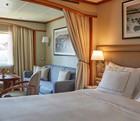
Veranda
$28,120 AUD pp
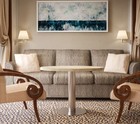
Midship Veranda
$30,970 AUD pp
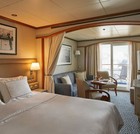
Medallion
$39,900 AUD pp
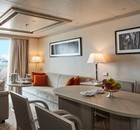
Silver
$40,992 AUD pp
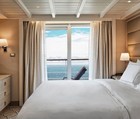
Royal 1 Bedroom
$44,650 AUD pp
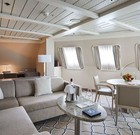
Grand 1 Bedroom
$49,542 AUD pp
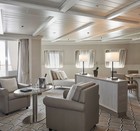
Owner 1 Bedroom
$54,435 AUD pp
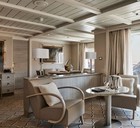
Royal 2 Bedroom
$69,920 AUD pp
Grand 2 Bedroom
$74,812 AUD pp
Owner 2 Bedroom
$77,995 AUD pp

Vessel Type: Luxury Expedition
Length: 157 m
Passenger Capacity: 200/260
Built: 1994 Refurbished & Rebranded: 2017
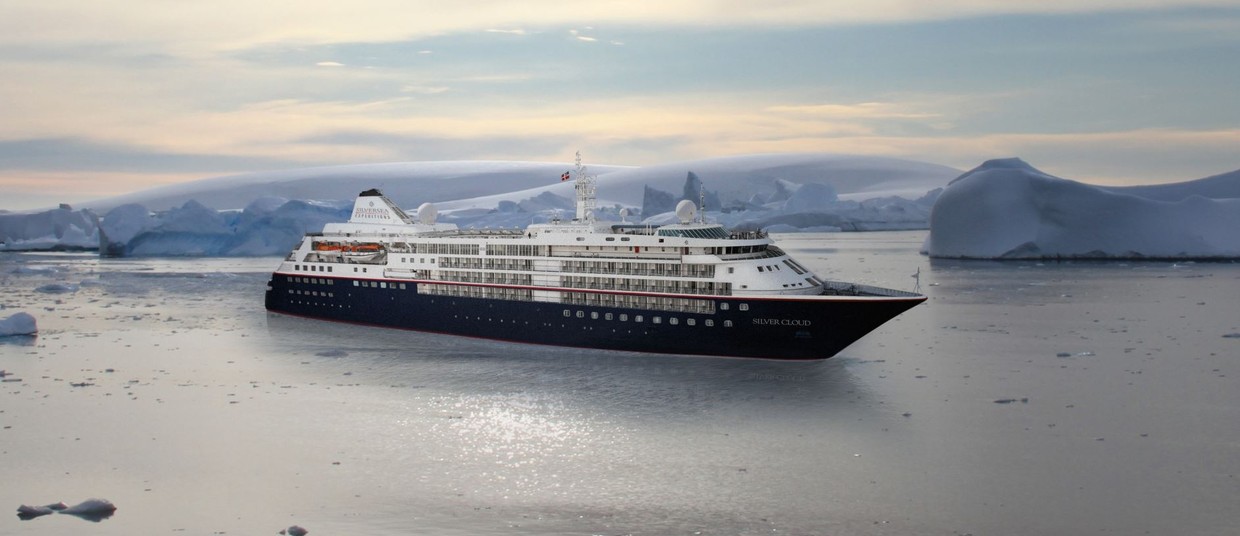
Silver Cloud delivers one of the most personalised expedition experiences at sea, blending ultra-luxury with true adventure. As Silversea’s first crossover ship, she’s built for both comfort and exploration, offering large ocean-facing suites—80% with verandas—and an impressive 1:1 crew-to-guest ratio. With 20 Zodiacs and 10 kayaks, guests enjoy unparalleled access to remote locations, while expert-led excursions ensure meaningful encounters with nature and culture alike. From the icy reaches of Antarctica to the sun-kissed South Pacific, Silver Cloud brings the remarkable within easy reach.
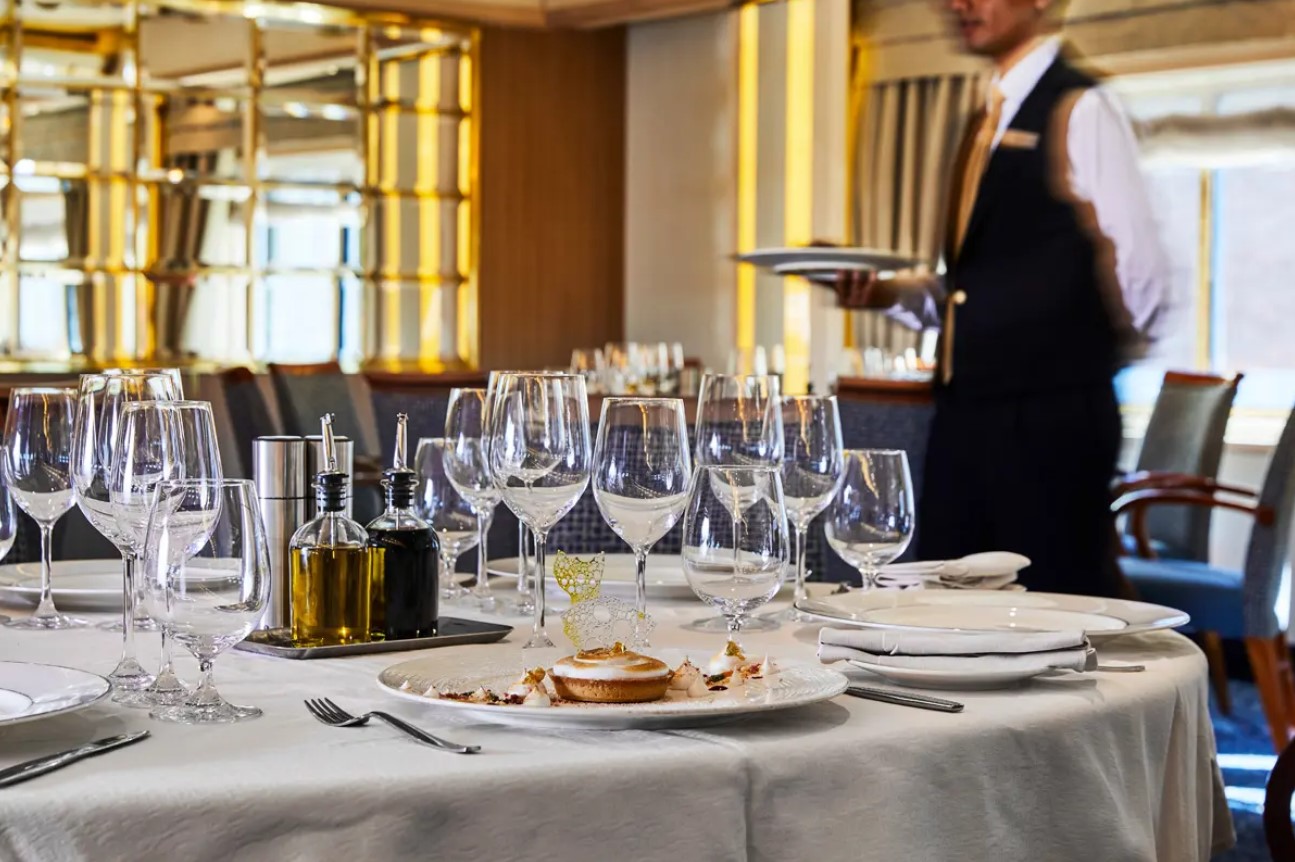
On board, refined living continues with four elegant dining venues, including French fine dining at La Dame and authentic Italian at La Terrazza. Relax in stylish public areas such as the Panorama Lounge or Connoisseur’s Corner, indulge in world-class spa treatments, or learn more about your destinations from passionate experts in the Explorer Lounge. Whether you’re cruising the Kimberley or the Chilean fjords, Silver Cloud offers a sophisticated base for discovering the far corners of the world in sublime comfort.



Value Season Saving
5% off selected sailings
Offer ends 12 October, 2026
Inclusions
• All shore excursions (Expedition cruises) or shore excursion credit (Oceangoing voyages)
• Charter flights or overnight hotels (if required by the Expedition itinerary)
• Butler-serviced suites
• Extraordinary dining at up to 14 restaurants
• Onboard entertainment and lectures
Exclusions
• International flights
• Passport and visa costs if applicable
• Travel insurance
• Spa and Salon Treatments
• Complete valet services, including laundry, pressing and dry cleaning, are available at an additional charge
 Luxury Small Ship Cruise
Our Associates Include


