16 Days Luxury Norwegian Fjords & Svalbard Cruise - Copenhagen to Longyearbyen
From Copenhagen to the heart of the Arctic, follow Norway's rugged west coast past the historic Runde Lighthouse and its puffin-burrowed cliffs, before heading to the far north. Hike to the legendary Torghatten mountain, meet sled dogs, and experience Tromsø, gateway to the Arctic. Then spend a week in the wild isolation of Svalbard, exploring on hikes, by Zodiac, and by kayak.
Highlights
• Sail from Denmark to the High Arctic, following Norway's spectacular coastline to the remote wilderness of Svalbard.
• Explore the Arctic by Zodiac, kayak and guided hikes in search of glaciers, wildlife and dramatic polar landscapes.
• Experience the midnight sun while visiting iconic destinations including Tromsø, Bear Island and Longyearbyen.
Effortlessly cool and built to be livable, Copenhagen is a green, clean Scandinavian metropolis where cycling is the default mode of transport and the colourful warehouses of Nyhavn frame a pastoral waterfront. The Little Mermaid statue, inspired by Hans Christian Andersen's fairy tale, is the city's most quietly self-assured landmark. Danish smørrebrød and a constellation of Michelin-starred restaurants make Copenhagen one of Europe's most rewarding food cities.
Days at sea are the perfect opportunity to relax, unwind, and pursue personal interests, whether visiting the gym, the spa, or simply watching for whales from deck. These blue sea days offer an ideal balance to busy days spent exploring ashore.
Fosnavag is a maritime town on Bergsoya island in western Norway's archipelago, south of Alesund in the Heroy municipality. Nearby Runde island hosts one of Norway's largest bird cliffs, with puffins and sea eagles among the many species found there. The Heroy Coastal Museum traces the region's rich trading heritage.
Norway’s advertising slogan is that it is “powered by nature”. One trip to Bronnoysund and it’s easy to see why. This is quintessential Norway, vast, wild and beautiful, with a few surprises to keep you on your toes! Arrival by sea in Bronnoysund is a bit of an experience. Norway is famously the land of the midnight sun, and with Bronnoysund enjoying the favourable position of being just beneath the Arctic Circle, early morning arrival is both eerie and awe inspiring. The otherworldliness is amplified by the sun shining through the giant hole in Torghatten Mountain. The vast (258 metre) granite mountain is pierced right through centre by a natural hole. Never forgetting that Norway is the country of pixies and trolls, local legend has the answer to this scientifically unexplainable phenomenon: it was created when an arrow ripped through the troll king’s hat, which was thrown into the air to protect a fleeing girl. The hat turned to stone, and the arrow’s hole is preserved there to this day. It is possible to walk through it and enjoy the fabulous views beyond. The rest of Bronnoysund’s surroundings are no less spectacular. The 13,000-plus nearby islands include the Vega Archipelago, a cluster of 6,500 islands that enjoy UNESCO World Heritage Site status. The outstanding universal value of the islands is seen not only in stone age indications but in the unique cultural landscape (particularly that of Eider duck farming) that has provided at least 1,500 islanders with income from the 9th century.
Salt and pepper coloured mountains erupt from the ground behind the pretty port of Svolvaer, which opens up the extraordinary beauty of the Lofoten Islands. You'll never quite get over the majesty of the mountainous backdrop as you explore, although with natural wonders like the rippling Northern Lights, the Midnight Sun, and cruising pods of orcas to admire, there are plenty of distractions. The Gulf Stream shuffles warmer air here, so the climate is surprisingly mild considering how northerly the town is. Wander the compact streets, to see the morning's haul of fish and shrimp on-sale in the harbour, and watch sightseeing boats heading off to some of Norway’s most incredible natural scenery.
Tromsø, at 69 degrees north, is the capital of Arctic Norway and the most reliable urban base for northern lights viewing in the world. The city sits on an island between fjords and mountains, its student population supporting a disproportionately rich cultural life, and the Midnight Sun runs from 20 May to 22 July — a period of constant daylight as extraordinary as the winter darkness that precedes it.
Svalbard's southernmost island, Bear Island sits roughly halfway between Spitsbergen and Norway's North Cape, its name going back to Dutch explorer Willem Barentsz's 1596 visit. Two-thirds of the island is flat plain with shallow freshwater lakes and Ramsar Wetland, protected as a Nature Reserve and Important Bird Area. The steep cliffs south of Sorhamna support thousands of breeding seabirds including Black-legged Kittiwakes, Little Auks, and Brunnich's Guillemots.
Svalbard's west coast, warmed by the Gulf Stream, is the most accessible part of the archipelago and holds its most visited settlements — Longyearbyen and the Russian mining town of Barentsburg. The fjords of Isfjorden and Hornsund reveal geological formations of extraordinary complexity, and the glaciers descending to the sea are among the most dramatic and accessible in the High Arctic.
Svalbard's west coast, warmed by the Gulf Stream, is the most accessible part of the archipelago and holds its most visited settlements — Longyearbyen and the Russian mining town of Barentsburg. The fjords of Isfjorden and Hornsund reveal geological formations of extraordinary complexity, and the glaciers descending to the sea are among the most dramatic and accessible in the High Arctic.
Svalbard's west coast, warmed by the Gulf Stream, is the most accessible part of the archipelago and holds its most visited settlements — Longyearbyen and the Russian mining town of Barentsburg. The fjords of Isfjorden and Hornsund reveal geological formations of extraordinary complexity, and the glaciers descending to the sea are among the most dramatic and accessible in the High Arctic.
Svalbard's northern region, less moderated by the Norwegian Current than the west coast, is wilder and icier. The Nordaust Svalbard Nature Reserve encompasses spectacular fjords, glaciers, walrus haul-outs, and bird cliffs on Nordaustlandet and the outer islands. Ice conditions determine accessibility, making every voyage into this region an expedition in the genuine sense.
Svalbard's northern region, less moderated by the Norwegian Current than the west coast, is wilder and icier. The Nordaust Svalbard Nature Reserve encompasses spectacular fjords, glaciers, walrus haul-outs, and bird cliffs on Nordaustlandet and the outer islands. Ice conditions determine accessibility, making every voyage into this region an expedition in the genuine sense.
Svalbard's northern region, less moderated by the Norwegian Current than the west coast, is wilder and icier. The Nordaust Svalbard Nature Reserve encompasses spectacular fjords, glaciers, walrus haul-outs, and bird cliffs on Nordaustlandet and the outer islands. Ice conditions determine accessibility, making every voyage into this region an expedition in the genuine sense.
Svalbard's northern region, less moderated by the Norwegian Current than the west coast, is wilder and icier. The Nordaust Svalbard Nature Reserve encompasses spectacular fjords, glaciers, walrus haul-outs, and bird cliffs on Nordaustlandet and the outer islands. Ice conditions determine accessibility, making every voyage into this region an expedition in the genuine sense.
Longyearbyen is the largest settlement in Svalbard and the seat of Norwegian administration for the archipelago, with the Svalbard Museum covering the natural history and exploitation of the islands. The UNIS centre hosts a collaboration of Norwegian universities offering the northernmost higher education in the world. The harbour is blocked by ice in winter, and remnants of former mining activity are visible throughout the town.
Post Cruise Benefits
Hotel
Charter flights
Itineraries are subject to change.
|
Book now |
Classic Veranda
Superior Veranda
Deluxe Veranda

Premium Veranda

Silver

Grand 1 Bedroom

Owner 1 Bedroom

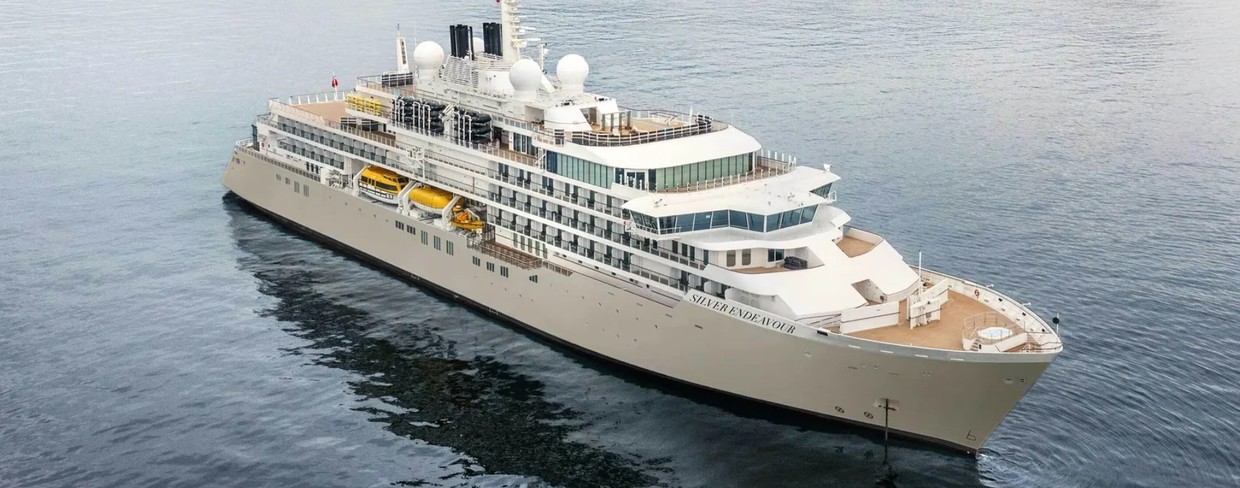
Vessel Type: Luxury Expedition
Length: 164.40 metres
Passenger Capacity: 200
Built: 2021
Silver Endeavour is redefining the frontier of luxury expedition cruising. Purpose-built for polar exploration and launched in 2021, this state-of-the-art vessel combines cutting-edge technology, sleek design, and Silversea’s hallmark personalised service to deliver one of the most advanced expedition experiences at sea. With a PC6 ice-class hull, a superb 1:1 crew-to-guest ratio, and the highest expert- and Zodiac-to-guest ratios in the industry, Silver Endeavour is your gateway to the most remote corners of the globe — from the Arctic to Antarctica — with absolute comfort and ease.
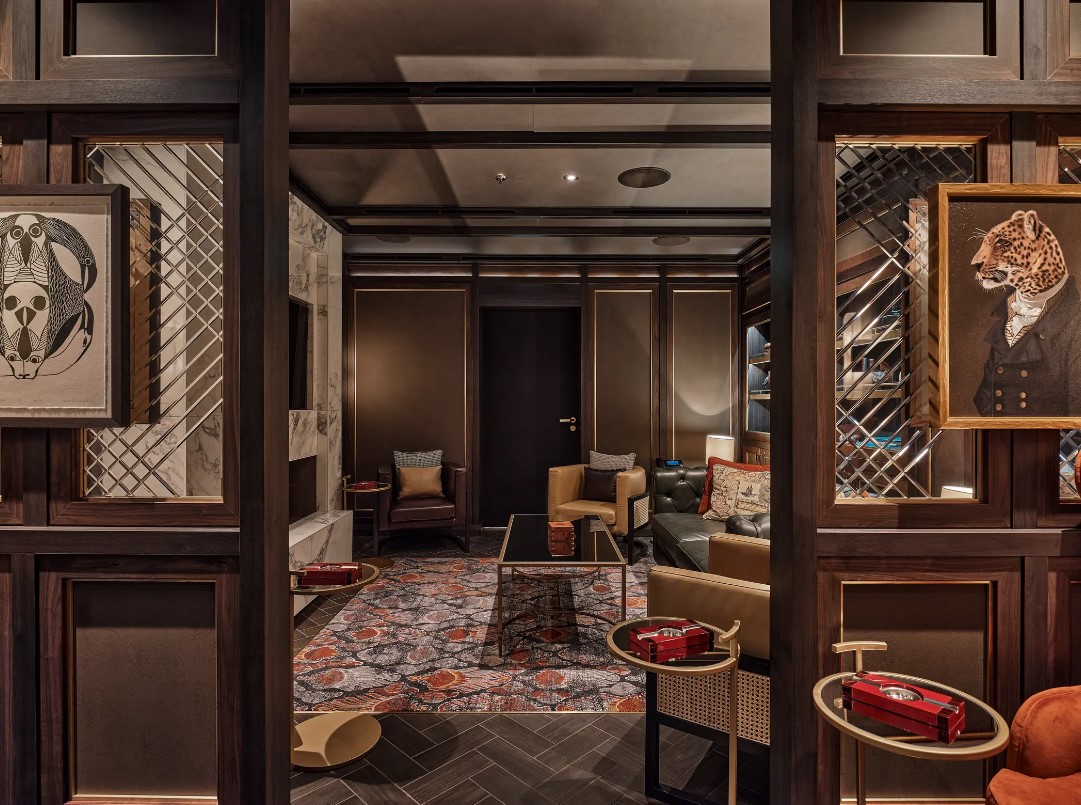
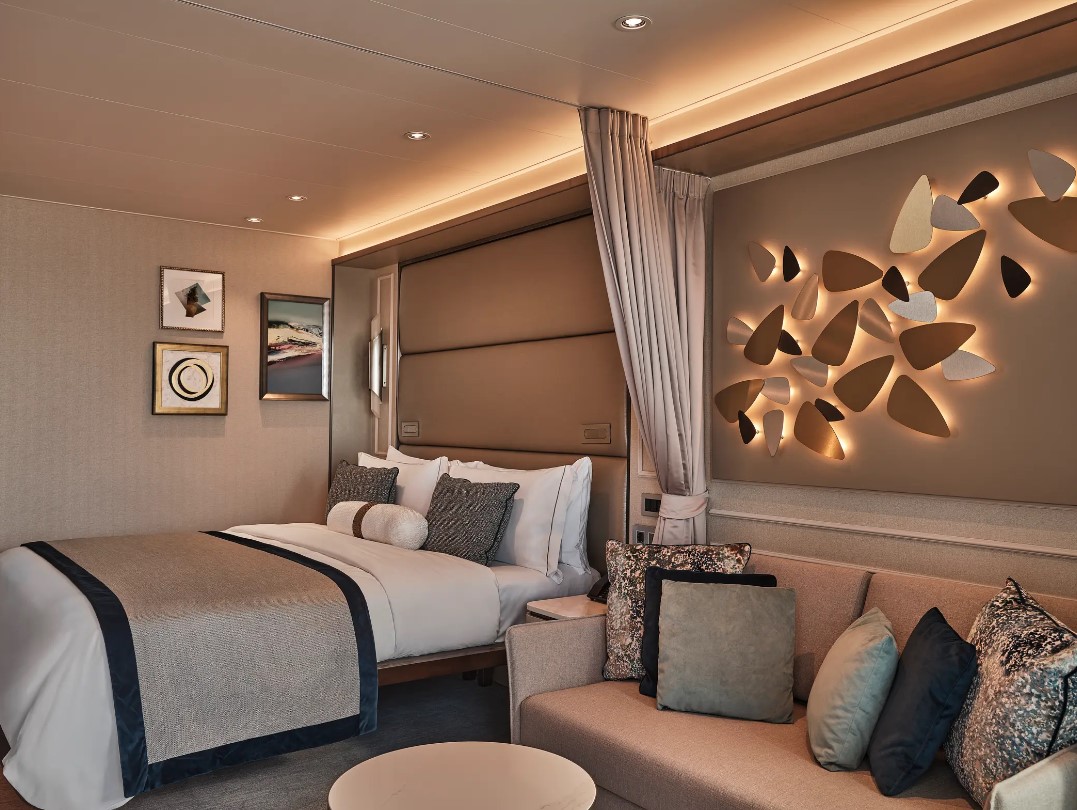
On board, guests enjoy an exceptional array of elegant suites, all with private balconies and expansive views, as well as fine dining across multiple venues, including French gastronomy at La Dame and Italian cuisine at Il Terrazzino. Public spaces such as the Observation Lounge, Explorer Lounge, and glass-enclosed Pool Deck offer stylish havens for relaxation between immersive shore excursions. With her refined interiors, curated library, spa, and mud rooms for expedition prep, Silver Endeavour is the epitome of ultra-luxury travel — built to venture where few have gone before, without compromise.




Inclusions
• All shore excursions (Expedition cruises) or shore excursion credit (Oceangoing voyages)
• Charter flights or overnight hotels (if required by the Expedition itinerary)
• Butler-serviced suites
• Extraordinary dining at up to 14 restaurants
• Onboard entertainment and lectures
_______________
• Post Cruise Benefits - Hotel, Charter flights
Exclusions
• International flights
• Passport and visa costs if applicable
• Travel insurance
• Spa and Salon Treatments
• Complete valet services, including laundry, pressing and dry cleaning, are available at an additional charge
 Luxury Expedition
Our Associates Include


