15 Days Luxury Baltic & Scandinavia Cruise - Copenhagen to Helsinki
A springtime journey to the extraordinary UNESCO sites of the Baltics, heading north to rarely visited archipelagos and exploring the Gulf of Bothnia in depth. Sail from Copenhagen to Helsinki, and reach Visby’s medieval Hanseatic old town. Then discover Sweden's remarkably elevated High Coast, the dunes of Kalajoki, and Finland's frontier islands of astonishing natural beauty.
Highlights
• Explore seven Baltic nations, combining UNESCO-listed medieval cities with remote islands and picturesque coastal landscapes.
• Discover the natural beauty of the Gulf of Bothnia, from Sweden's High Coast to Finland's sandy dunes and secluded archipelagos.
• Experience a unique blend of Baltic culture, history and nature with visits to charming ports rarely included on traditional Baltic cruises.
Effortlessly cool and built to be livable, Copenhagen is a green, clean Scandinavian metropolis where cycling is the default mode of transport and the colourful warehouses of Nyhavn frame a pastoral waterfront. The Little Mermaid statue, inspired by Hans Christian Andersen's fairy tale, is the city's most quietly self-assured landmark. Danish smørrebrød and a constellation of Michelin-starred restaurants make Copenhagen one of Europe's most rewarding food cities.
Gdansk, on the edge of the Baltic Sea, was largely destroyed during World War II and painstakingly reconstructed along its original Hanseatic architecture. The Royal Route leads through majestic stone gates to the Amber Museum, the ornate facades of Dluga Street, and the photogenic Mariacka Street. The European Solidarity Centre by the shipyards documents the formation of the Solidarity trade union in the 1980s and Poland's struggle against Communism.
Klaipeda is Lithuania's only seaport and third-largest city, founded in 1252 by the Teutonic Order under the name Memel. The Germanic influence is visible in the well-ordered centre's half-timbered fachwerk buildings, with surviving examples concentrated in the Art Yard alongside street art, coffee shops, and boutiques. The neighbouring Spit National Park, a UNESCO World Heritage Site, is a 5,000-year-old peninsula of woods and beaches separating the Baltic Sea from the Curonian Lagoon.
Visby, the medieval Hanseatic capital of the Swedish island of Gotland, is enclosed by one of the best-preserved town walls in northern Europe. Its 3.6 kilometres of 13th-century limestone stand almost entirely intact around a UNESCO World Heritage Site of Gothic churches and merchants' houses. The island's medieval week each August draws visitors to jousting tournaments and period recreations that fill the narrow streets.
Riga is the Baltic's largest city and its most architecturally diverse. The UNESCO World Heritage Old Town is surrounded by the finest collection of Art Nouveau buildings in the world — over 800 in a compact area. Church spires, the House of Blackheads, and a revitalised Central Market in a former Zeppelin hangar anchor a city of considerable cultural depth.
Saaremaa is the largest island in Estonia, and it retains much of the traditions in architecture, costumes and even the local dialect. The only town is Kuressaare, where the 14th century bishop’s castle is among the best preserved medieval buildings in the Baltic. The beautiful and well preserved old town is also well worth exploring. It’s said that Saaremaa is famous for windmills, black rye bread, and strong beer. Once every farm had its own mill, and although many have fallen into disuse, some are now being restored. The flour from the mills was once used for the many types of local bread, which is still made and enjoyed, as is the bottled beer from Saaremaa’s brewery notably the strong Tehumardi and the Christmas beer that warms up winter evenings.
Örö Island spent a century as a closed military zone protecting Finland's Baltic coast, and only opened to visitors in 2015. Trails through the Archipelago National Park pass Obukovski gun emplacements, fortified tunnels, and coastal batteries — an extraordinary preserved military landscape set within one of Finland's most beautiful island environments.
Old Rauma is a UNESCO World Heritage Site of wooden architecture — the largest unified wooden town in the Nordic countries, over 580 years old and predating Finland as a nation. Its narrow streets, painted wooden cottages, and the lace-making tradition that has shaped the town's identity since the 17th century give Rauma a character entirely distinct from any other Finnish city.
Örnsköldsvik, with a population of approximately 29,000, is located on the east coast of Västernorrland County on the Bay of Bothnia. Situated on a bay enclosed by skerries, the town is named after Per Abraham Örnsköld, governor of Västernorrland from 1762 to 1769, who did a great deal to promote the development of the region. The town's economy depends principally on the paper industry and its deep port. The area benefits from a natural harbour that remains ice-free for 11 months of the year. The figure of an eagle carved in local granite by Bruno Liljefors has become the emblem of the town and can be found in the Torgpark (city park). The western side the town is bound by wooded crags and inland are a range of hills offering excellent fishing in summer and skiing in the winter. Örnsköldsvik is a young town in an old district with many cultural traditions. The centre of the city has been developed into a lively place for people to meet offering a varied mix of shops, restaurants, and activities. Pier Information The ship is scheduled to dock at Stadskajen inner harbor. The center of town is about a 3-4 minute walk. Metered taxis are available at the pier. Shopping Örnsköldsvik has a bustling commercial centre. Here, you find small, pleasant shops side by side with large department stores and well-stocked shops offering specialist goods for sale. A speciality of this region is Surströmming (fermented herring). To save on the cost of Swedes’ all-important winter supply of salt herring, the amount of salt was reduced, causing the herring to ferment instead. Cuisine With the locals’ penchant for good food, many restaurants and several cafés, pubs and bars cater to a wide variety of tastes. Swedish fare tends to be hearty, practical and sustaining. Other Sites Paradisbadet This is one of the best waterparks in northern Europe, fully enclosed with a tropical climate and water at 100ºF (38 C). The park is dotted with green plants, Jacuzzis, rapids, and plunge pools. The 328 foot (100 metre) long water slide is the longest in Sweden. The Hans Hedberg Museum Famous potter Hans Hedberg has a museum all of his own in one of the glass-roofed areas at Arken. A few examples of Hedberg´s world-famous ceramics are on display here. Private arrangements for independent sightseeing may be requested through the Tour Office on board.
Kalajoki on Finland's west coast has evolved from a centre of the wood tar industry into one of the country's best beach resorts. The well-preserved old town of Plassi features quaint wooden houses, and the Havula museum, an Art Nouveau villa once belonging to a sawmill magnate, contains period furniture and original artwork. The nearby Rahja archipelago is a birdwatching destination with Arctic Terns, Ruddy Turnstones, and Ringed Plovers nesting on its beaches.
Days at sea are the perfect opportunity to relax, unwind, and pursue personal interests, whether visiting the gym, the spa, or simply watching for whales from deck. These blue sea days offer an ideal balance to busy days spent exploring ashore.
Ulko-Tammio Island in the Eastern Gulf of Finland National Park carries a dual identity. It was a significant wartime military outpost where Finnish troops held the Russian border 10 kilometres away, and it remains an important migratory bird staging point along the Baltic flyway. Cannon foundations, trenches, and a 70-metre bunker tunnel remain accessible among the island's natural beauty.
Helsinki Cathedral crowns the city's waterfront with its pearly white domes, while the Rock Church, built into the rock underground with a copper bowl roof suspended on glass, is one of the city's most extraordinary buildings. The Suomenlinna fortress, a UNESCO World Heritage Site covering six islands, recalls the historical struggles that shaped this stretch of sea. The Design Museum offers insight into Helsinki's celebrated balance of style, function, and form.
Itineraries are subject to change.
|
Book now |
Classic Veranda
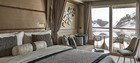
Superior Veranda
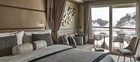
Deluxe Veranda
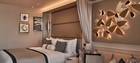
Premium Veranda
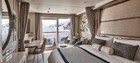
Silver

Grand 1 Bedroom
Owner 1 Bedroom
|
Book now |
Classic Veranda
Superior Veranda
Deluxe Veranda
Premium Veranda
Silver
Grand 1 Bedroom
Owner 1 Bedroom
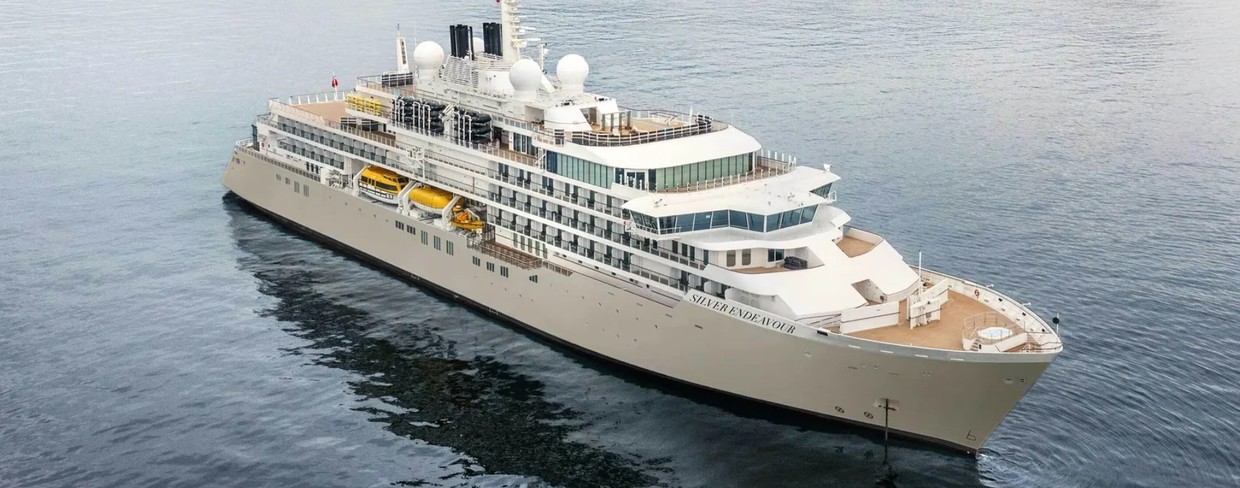
Vessel Type: Luxury Expedition
Length: 164.40 metres
Passenger Capacity: 200
Built: 2021
Silver Endeavour is redefining the frontier of luxury expedition cruising. Purpose-built for polar exploration and launched in 2021, this state-of-the-art vessel combines cutting-edge technology, sleek design, and Silversea’s hallmark personalised service to deliver one of the most advanced expedition experiences at sea. With a PC6 ice-class hull, a superb 1:1 crew-to-guest ratio, and the highest expert- and Zodiac-to-guest ratios in the industry, Silver Endeavour is your gateway to the most remote corners of the globe — from the Arctic to Antarctica — with absolute comfort and ease.
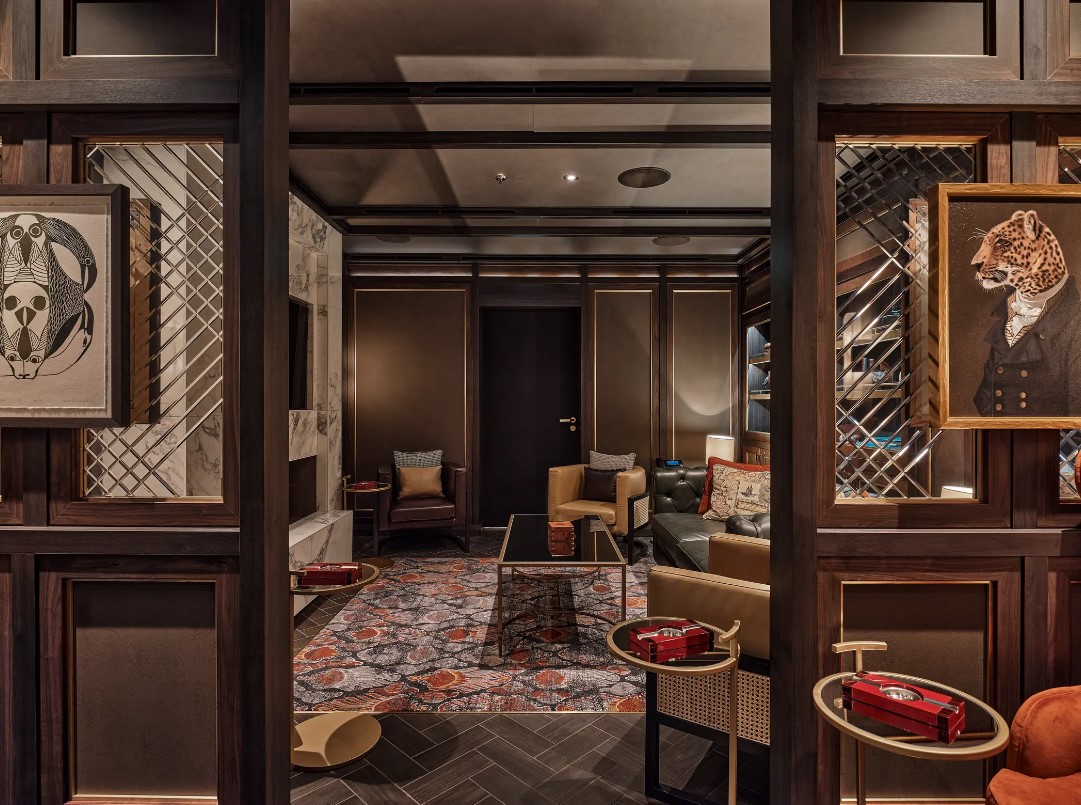
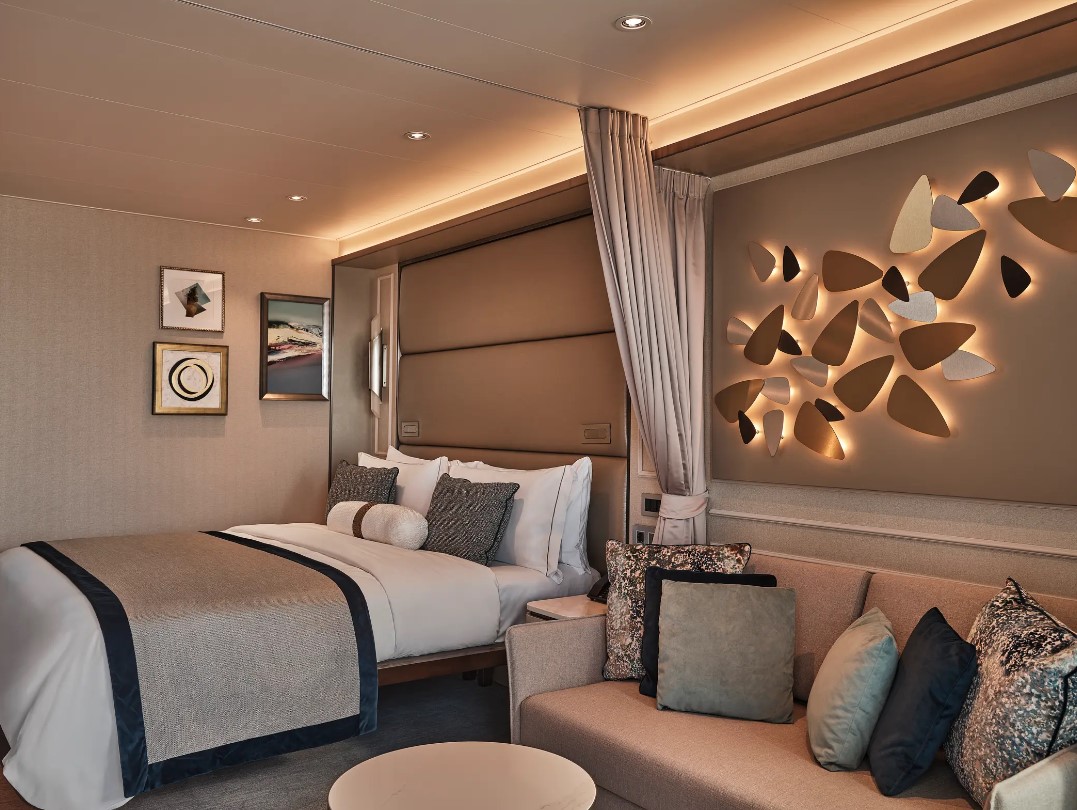
On board, guests enjoy an exceptional array of elegant suites, all with private balconies and expansive views, as well as fine dining across multiple venues, including French gastronomy at La Dame and Italian cuisine at Il Terrazzino. Public spaces such as the Observation Lounge, Explorer Lounge, and glass-enclosed Pool Deck offer stylish havens for relaxation between immersive shore excursions. With her refined interiors, curated library, spa, and mud rooms for expedition prep, Silver Endeavour is the epitome of ultra-luxury travel — built to venture where few have gone before, without compromise.




Inclusions
• All shore excursions (Expedition cruises) or shore excursion credit (Oceangoing voyages)
• Charter flights or overnight hotels (if required by the Expedition itinerary)
• Butler-serviced suites
• Extraordinary dining at up to 14 restaurants
• Onboard entertainment and lectures
Exclusions
• International flights
• Passport and visa costs if applicable
• Travel insurance
• Spa and Salon Treatments
• Complete valet services, including laundry, pressing and dry cleaning, are available at an additional charge
 Luxury Expedition
Our Associates Include


