13 Days Luxury British Isles & Scandianvia Cruise - Edinburgh to Copenhagen
From Scotland's charismatic seabird isles to the Norwegian fjords and Copenhagen — admire some of the northern hemisphere's wildest scenery. Uninhabited islands with towering cliffs are home to colonies of puffins and diving gannets, alongside Gulf Stream-warmed gardens. Explore the jutting rock of St Kilda and Boreray, an impenetrable natural sanctuary with two UNESCO inscriptions, before sailing for Scandinavia, by way of the Shetland Islands.
Highlights
• Explore Scotland’s remote islands, from St Kilda and Boreray’s UNESCO-listed wilderness to the seabird colonies of the Hebrides and Orkneys.
• Discover dramatic Nordic landscapes, including Norway’s fjords, coastal villages and Gulf Stream-warmed gardens.
• Experience the rich maritime heritage of the Shetland Islands before concluding in vibrant Copenhagen.
Edinburgh Castle watches over the capital from a skyline of sheer drama, while the modern Scottish Parliament and August festivals confirm the city's place in the 21st century. Nearly everywhere in Edinburgh stand spectacular neoclassical buildings, with Doric, Ionic, and Corinthian pillars against a largely Presbyterian backdrop. Arthur's Seat, a mountain jutting 822 feet above its surroundings, rears up behind the spires of the Old Town.
The Isle of May is a National Nature Reserve off mainland Scotland, managed by Scottish Natural Heritage as a breeding ground for approximately 250,000 seabirds. Over 40,000 puffin burrows have been counted as occupied, alongside kittiwakes, shags, eiders, guillemots, razorbills, Arctic Terns, and Great Black-backed Gulls. The island is also used by biologists for ringing breeding seabirds and surveying migrating passerines.
Days at sea are the perfect opportunity to relax, unwind, and pursue personal interests, whether visiting the gym, the spa, or simply watching for whales from deck. These blue sea days offer an ideal balance to busy days spent exploring ashore.
The Shiant Islands, off the Outer Hebrides, are known for cliff faces of hexagonal basalt columns — volcanic intrusions exposed by millions of years of erosion, rising to 120 metres above the sea. The islands support one of Scotland's largest puffin colonies and are among the few Scottish sites where black rats — introduced by shipwreck — remain an established population.
Loch Ewe is the only north-facing loch in Scotland, used during World War II as a convoy gathering point protected by anti-aircraft guns, a boom net, and a mine defence system. The loch is a natural deep-water sea loch connected to the Atlantic through a narrow mouth. Nearby Inverewe Gardens thrive on the warm currents of the North Atlantic Drift, nurturing exotic plants from many countries on a latitude north of Moscow.
Lunga is the largest island in the Treshnish archipelago off the Scottish coast, with remains of black houses from its human occupation until the 19th century. Atlantic puffins breed on the island's plateau from mid-April to early August, with abundant plant life and dramatic coastal scenery. Seals haul out on rocky shores and birds of prey are sometimes seen overhead.
Iona, just three miles long and one and a half miles wide, is home to an abbey built in 563 by Saint Columba, making the island the cradle of Christianity in Scotland. St. Martin's Cross, a 9th-century Celtic cross standing outside the abbey, is considered the finest example of a Celtic cross in the British Isles. The cemetery of Reilig Odhrain allegedly contains the remains of many Scottish kings.
St Kilda, 50 miles west of the Outer Hebrides, is the UK's only dual UNESCO World Heritage Site — recognised for both its natural and cultural values. The archipelago holds the UK's largest Atlantic puffin colony and the world's largest gannet colony on the island of Boreray, while the evacuated village of Hirta preserves the last record of a community that survived on these rocks for millennia.
Uninhabited since the last St Kilda residents departed in 1930, Boreray is the domain of vast seabird colonies including Northern Gannets, Northern Fulmars on the volcanic cliffs, and Atlantic Puffins darting in and out of burrows. The rare Boreray Sheep, unique to the island, graze on its hilly slopes. Boreray forms part of the St Kilda World Heritage Site, one of the few sites recognised for both outstanding natural and cultural values.
Kirkwall is the capital of the Orkney Islands, home to the sandstone St. Magnus Cathedral, begun in 1137 and completed over 300 years, known as the Light of the North for its stained-glass windows. The archipelago's prehistoric heritage includes Skara Brae, Europe's best-preserved Stone Age village and a UNESCO World Heritage Site. History-rich distilleries produce peaty single malts, and the dramatic meeting of the North Sea and the Atlantic Ocean defines the islands' seascapes.
Fair Isle lies mid-way between Shetland and the Orkney Islands, with a population of around 70 people and a warm welcome for visitors. The island is famous for birds, knitwear, and historic shipwrecks, including the Spanish Armada flagship El Gran Grifon. Sheep Rock, rising over 100 metres, towers above the island's cloudy turquoise waters.
The Shetland Islands form the most northerly point of the British Isles, spanning 100 islands with 5,000 years of Neolithic heritage and some of the most dramatic coastal scenery in Scotland. The Broch of Mousa is considered Europe's best-preserved Iron Age building, believed to have been constructed around 100 BC. Shetland Ponies, a crossbreed with Norse origins, roam the hills and have become an icon of the islands.
The sandstone cliffs of Noss National Nature Reserve hold one of Europe's largest and most diverse seabird colonies. Gannets, puffins, guillemots, kittiwakes, razorbills, fulmars, and great skuas line the ledges that rise from the Shetland sea. Sheep and shaggy Shetland ponies graze the windblown interior, and the island's dramatic coastal scenery is among the finest in the North Atlantic.
Fosnavag is a maritime town on Bergsoya island in western Norway's archipelago, south of Alesund in the Heroy municipality. Nearby Runde island hosts one of Norway's largest bird cliffs, with puffins and sea eagles among the many species found there. The Heroy Coastal Museum traces the region's rich trading heritage.
Rosendal sits at the foot of the Folgefonna glacier — Norway's third largest — where waterfalls cascade from peaks of over 1,000 metres into one of the country's most dramatic fjord settings. The 17th-century Rosendal Barony, the only surviving feudal estate in Norway, stands in a landscape of extraordinary natural beauty and holds a garden of particular historic significance.
Days at sea are the perfect opportunity to relax, unwind, and pursue personal interests, whether visiting the gym, the spa, or simply watching for whales from deck. These blue sea days offer an ideal balance to busy days spent exploring ashore.
Effortlessly cool and built to be livable, Copenhagen is a green, clean Scandinavian metropolis where cycling is the default mode of transport and the colourful warehouses of Nyhavn frame a pastoral waterfront. The Little Mermaid statue, inspired by Hans Christian Andersen's fairy tale, is the city's most quietly self-assured landmark. Danish smørrebrød and a constellation of Michelin-starred restaurants make Copenhagen one of Europe's most rewarding food cities.
Itineraries are subject to change.
|
Book now |
Classic Veranda
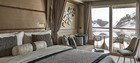
Superior Veranda
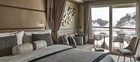
Deluxe Veranda

Premium Veranda
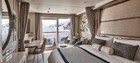
Silver

Grand 1 Bedroom
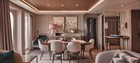
Owner 1 Bedroom

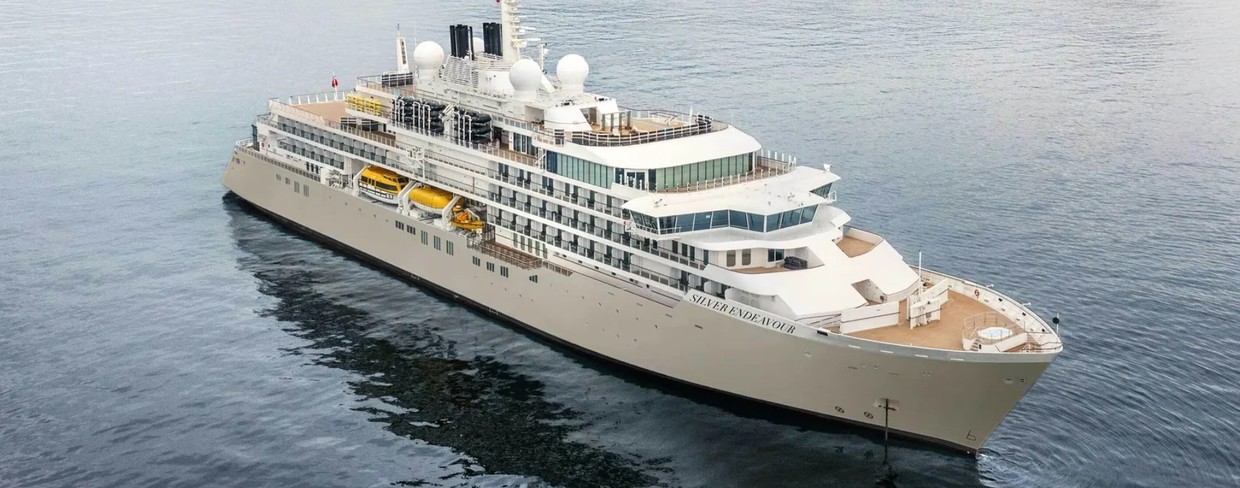
Vessel Type: Luxury Expedition
Length: 164.40 metres
Passenger Capacity: 200
Built: 2021
Silver Endeavour is redefining the frontier of luxury expedition cruising. Purpose-built for polar exploration and launched in 2021, this state-of-the-art vessel combines cutting-edge technology, sleek design, and Silversea’s hallmark personalised service to deliver one of the most advanced expedition experiences at sea. With a PC6 ice-class hull, a superb 1:1 crew-to-guest ratio, and the highest expert- and Zodiac-to-guest ratios in the industry, Silver Endeavour is your gateway to the most remote corners of the globe — from the Arctic to Antarctica — with absolute comfort and ease.
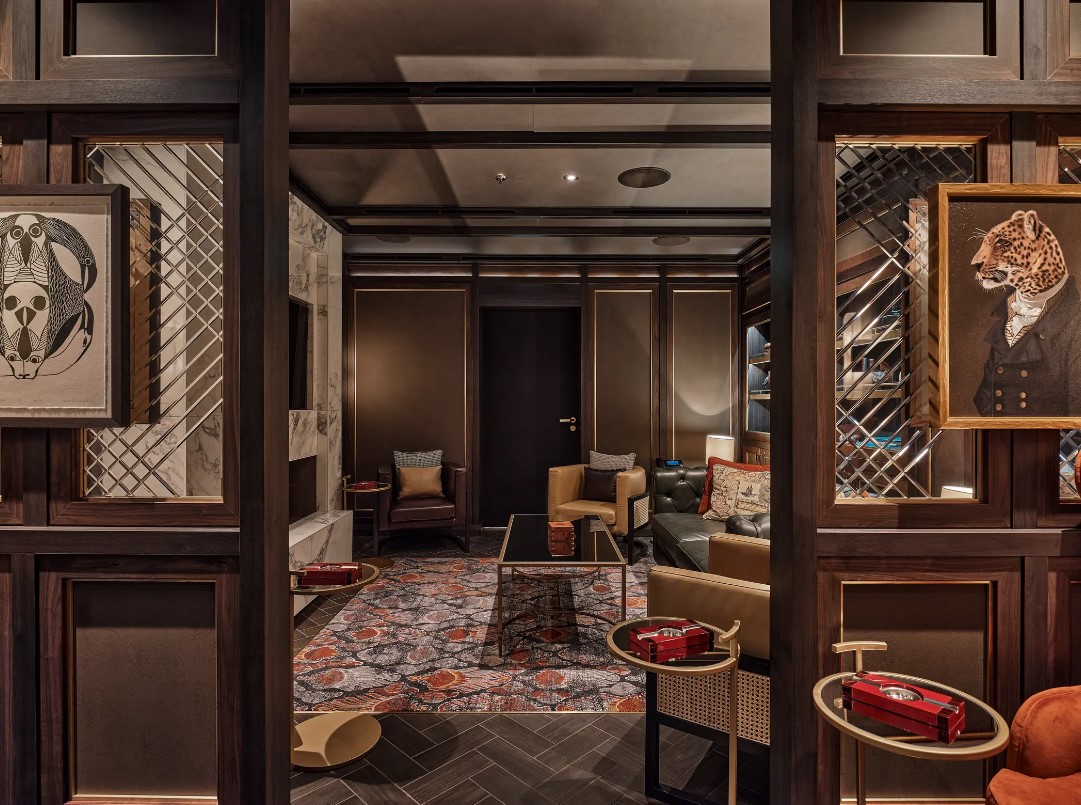
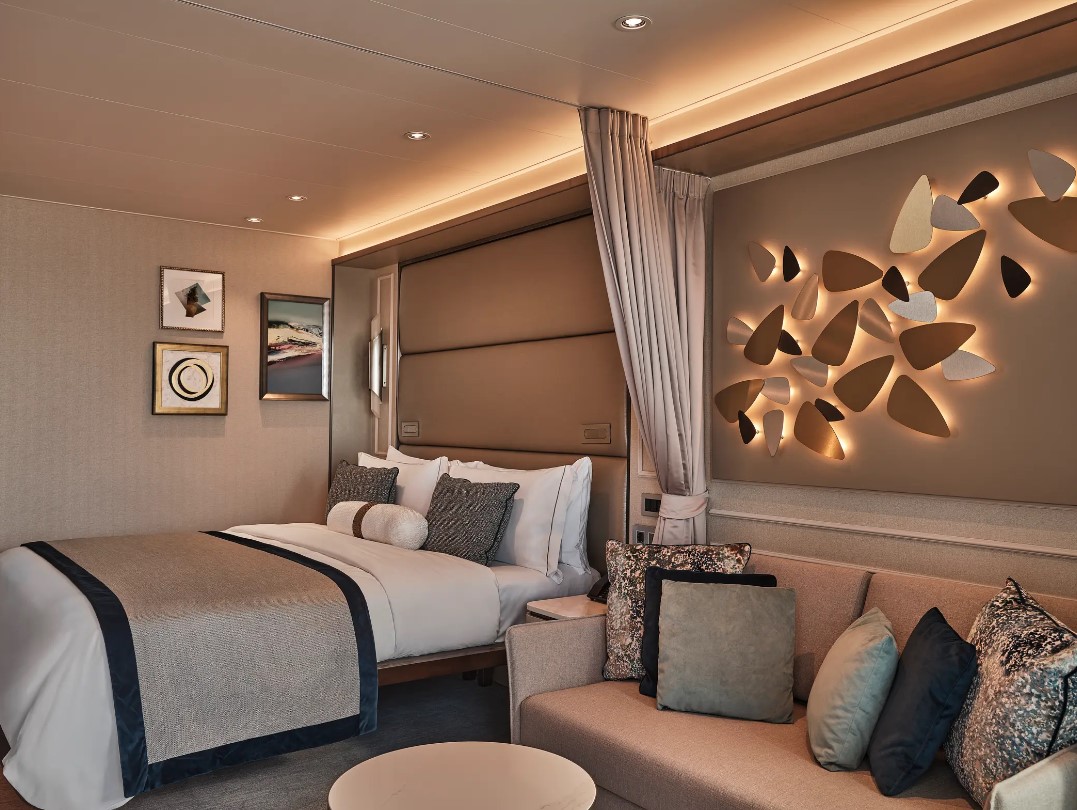
On board, guests enjoy an exceptional array of elegant suites, all with private balconies and expansive views, as well as fine dining across multiple venues, including French gastronomy at La Dame and Italian cuisine at Il Terrazzino. Public spaces such as the Observation Lounge, Explorer Lounge, and glass-enclosed Pool Deck offer stylish havens for relaxation between immersive shore excursions. With her refined interiors, curated library, spa, and mud rooms for expedition prep, Silver Endeavour is the epitome of ultra-luxury travel — built to venture where few have gone before, without compromise.




Inclusions
• All shore excursions (Expedition cruises) or shore excursion credit (Oceangoing voyages)
• Charter flights or overnight hotels (if required by the Expedition itinerary)
• Butler-serviced suites
• Extraordinary dining at up to 14 restaurants
• Onboard entertainment and lectures
Exclusions
• International flights
• Passport and visa costs if applicable
• Travel insurance
• Spa and Salon Treatments
• Complete valet services, including laundry, pressing and dry cleaning, are available at an additional charge
 Luxury Expedition
Our Associates Include


