11 Days Luxury Mediterranean Cruise - Athens to Split
Crossing Mediterranean seas, journey far beyond the usual. Seek out UNESCO sites — from the Library of Celsus at Ephesus to the cave where St. John is said to have penned Revelation. In spring’s warmth, discover Folegandros — an unspoiled cousin of Santorini with equally astonishing views. Continue to the clear waters of Croatian islands, from the Greek ruins of Vis to Mljet's forest-surrounded lakes, before ending in historic Split.
Highlights
• Explore the Mediterranean's UNESCO treasures – Visit remarkable World Heritage Sites including the ancient city of Ephesus, the spectacular Meteora Monasteries, the Monastery of St. John on Patmos, and the historic old towns of Croatia.
• Discover charming islands and hidden gems – Experience the tranquil beauty of Folegandros, the sacred island of Patmos, the crystal-clear waters of Vis, and the forest-fringed lakes of Mljet on a journey beyond the Mediterranean's well-trodden paths.
• Immerse yourself in four diverse cultures – Travel through Greece, Turkey, Italy and Croatia, enjoying authentic local experiences, historic landmarks, picturesque coastal towns and a wide selection of included shore excursions.
Athens is one of the oldest cities in the world and the foundation on which Western civilization was built. The Acropolis, with the Parthenon at its summit, remains the defining image of the entire Greece, but the city below rewards just as much: the ancient Agora, the National Archaeological Museum, the Plaka neighbourhood's tavernas and neoclassical streets, and the view at dusk from Lycabettus Hill over a city of four million. Piraeus is the port that has served Athens since antiquity; the journey from quayside to the foot of the Acropolis takes less than half an hour.
Volos occupies the inner shore of the Pagasetic Gulf at the foot of Mount Pelion, the mountain where the centaurs were said to live and where Jason built the Argo before sailing for the Golden Fleece. The Archaeological Museum holds Neolithic and Bronze Age finds from Thessaly; the old tobacco warehouses along the harbor have become the most interesting cultural district in central Greece. The Pelion villages above the city, with their slate-roofed mansions and apple orchards, are among the most beautiful in mainland Greece.
Kuşadası opens the door to Turkey’s sunlit Aegean coast and, above all, to extraordinary Ephesus, one of the ancient world’s most impressive archaeological sites. Beyond the lively waterfront, a landscape of ruined temples, marble streets, and Roman grandeur tells the story of civilizations that once flourished here. This stop blends resort ease with profound history, offering the rare pleasure of moving from a bustling harbor to one of antiquity’s great surviving cities in a single memorable day ashore.
Patmos is a small Aegean island whose cultural significance far exceeds its size. Christians have made pilgrimage here for centuries to the Cave of the Apocalypse, a hillside grotto where St. John is said to have received the Book of Revelation in AD 95. The 11th-century Monastery of St. John the Theologian, built like a fortress above the port, houses illuminated manuscripts of exceptional rarity. Beyond its sacred character, Patmos is simply beautiful: clear water, whitewashed villages, and a quietness that centuries of monastic presence have somehow preserved.
About 20 miles northwest of Santorini, the leading light of the Cyclades, lies Folegandros — a quieter isle which boasts its own glorious views to rival its famous neighbor. The pure white Church of Panagia sits in the foreground, with the shimmering deep Aegean beyond. This is a scene that holds its own against Santorini's finest, as the white path snakes down folded headlands that stretch out to sea. This westerly island lies beyond the reach of most Aegean trips, and it rewards those who make the effort to visit. This laid-back cousin of Santorini offers something genuinely authentic — an island of remote, rugged beaches and steep cliffs, where whitewashed houses gleam in the sunshine and doorframes and window frames pop with accents of color. Elevated above it all is Chora, the main town, with its stone-set streets and clusters of painted chairs where you can stop for lunch. Look out for matsata, a local pasta, and souroto, a spreadable cheese with a pepper kick, along with all manner of pies — and rakomelo, a honey spirit.
Corfu distills three thousand years of Mediterranean history into one of the most beautiful islands in Greece. The UNESCO-listed Old Town, shaped by Venetian, French, and British rule, offers a European layering found nowhere else in the Ionian: neoclassical arcades, Venetian campaniles, and a British-built cricket pitch within a few minutes' walk of each other. Beyond the old walls, olive groves cover the island's hills, and beaches of fine sand and clear turquoise water line its shores. Lawrence Durrell wrote his most lyrical prose here; the island still looks the part.
With its stern, steep fortifications, Otranto is an imposing, elevated and alluring port call. Learn a little of the history here, and you'll soon realise that this is a town that's right to be wary, having been conquered by - and repelled - many hostile visitors over its turbulent past. Visit Otranto to enjoy the heel of Italy's generous weather, bright white beaches, and the tug-of-war history between east and west. The turquoise seawater offers an enticing welcome, but this is a town haunted by past events. The darkest chapter occurred in 1480, when 813 were slaughtered after refusing to convert when Ottoman invaders conquered the city - following a fierce 15 days of resistance. The bones and skulls of the Martyrs of Otranto now watch over the altar of the cathedral, where they are stacked up behind a wall of glass. They were canonised by Pope Francis In 2012, and are recognised as Otranto's patron saints. Less macabre, the cathedral’s wonderful rose window and mosaic floor are gloriously beautiful, dating back to the 12th century. Head to the beach to soak up some sun and views of the sparkling Adriatic in Italy's most easterly town, or wander the pretty, cafe-lined streets of the historic old town amid the stout round towers of the extraordinary ramparts. Enjoy the leisurely pace of life along these tight, history-steeped alleyways, and try some of Puglia's delicious food, like the deceptively simple pasta cacio e pepe – pasta with cheese and pepper, or fresh hauls of prawns. Hidden beaches, gaping caves, and scattered fortifications litter the surrounding coastline.
Out beyond Hvar and the party crowds, Vis is one of the hardest to reach and most unspoiled Adriatic islands. Falkuša boats, with their distinctive sails, have hauled in sardines here for generations, and Komiža has maintained a nonchalant charm, having been sealed off for military purposes until the late 1980s. Clear waters, brilliant light, and sculpted rock and coastline put on a show of Adriatic artistry — whether golden beaches with irresistible swimming, or caves that refract extraordinary light. Nearby Biševo island draws visitors for its jewel-lit Blue Cave. Savor the color and vitality of this immaculate island over a glass of local Plavac wine, or a rakia with the locals.
Šibenik is the oldest native Croatian city on the Dalmatian coast, founded not by Greek or Roman colonists but by the Croatian kings of the medieval period, and fiercely proud of the distinction. At its center stands the Cathedral of St. James, a UNESCO World Heritage Site built entirely from stone between 1431 and 1535, its architecture representing a transition from Gothic to Renaissance that the builders improvised as they went. The old town cascades down to the harbor in a series of narrow stone lanes; the Krka National Park, with its celebrated waterfalls, begins a short distance.
An Adriatic island of legendary proportions, Croatia's Mljet is a protected national park, a densely forested jewel, and — according to local legend — the site of Odysseus's mythic exile. Just a few dozen miles from Dubrovnik's fairytale fortress streets, the peace and tranquility of this long, thin island feel a world away. Hidden behind the Pelješac Peninsula — now linked to the mainland by a sleek bridge that lets drivers bypass Bosnia — this is one of the most unspoiled, densely green islands in the Adriatic. It’s said that the nymph Calypso rescued a shipwrecked Odysseus and held him for seven years here — the namesake Odysseus Cave sits on the southern shore. Pomena, on the west of the isle, is the perfect arrival point for Mljet National Park and its two interconnected lakes. A genuinely tiny fishing village, this is the true off-the-radar Adriatic island experience. The azure waters of Veliko and Malo Jezero shimmer among the pine trees, and the monastery of St Mary sits at the center of the larger of the twin lakes.
Split, Croatia, is built around and inside a Roman emperor's retirement palace, a circumstance that makes it unique among European cities and endlessly fascinating to walk through. Diocletian's Palace, constructed around 305 AD, was never abandoned; its halls, temples, and corridors were simply absorbed into the evolving medieval city, which now occupies every corner of the original walls. The result is a UNESCO World Heritage Site that is also a living neighborhood of cafes, apartments, and galleries. The Dalmatian sun makes most arrangements here look unreasonably good.
Itineraries are subject to change.
|
Book now |
Veranda

Midship Veranda
Vista

Medallion
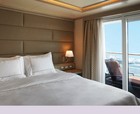
Silver

Royal 1 Bedroom
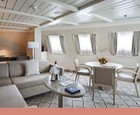
Grand 1 Bedroom

Owner 1 Bedroom

Royal 2 Bedroom
Grand 2 Bedroom
Owner 2 Bedroom
Vessel Type: Small Luxury Cruise Ship
Length: 156.7 metres
Passenger Capacity: 274
Built: 1995 / Refurbished: 2021
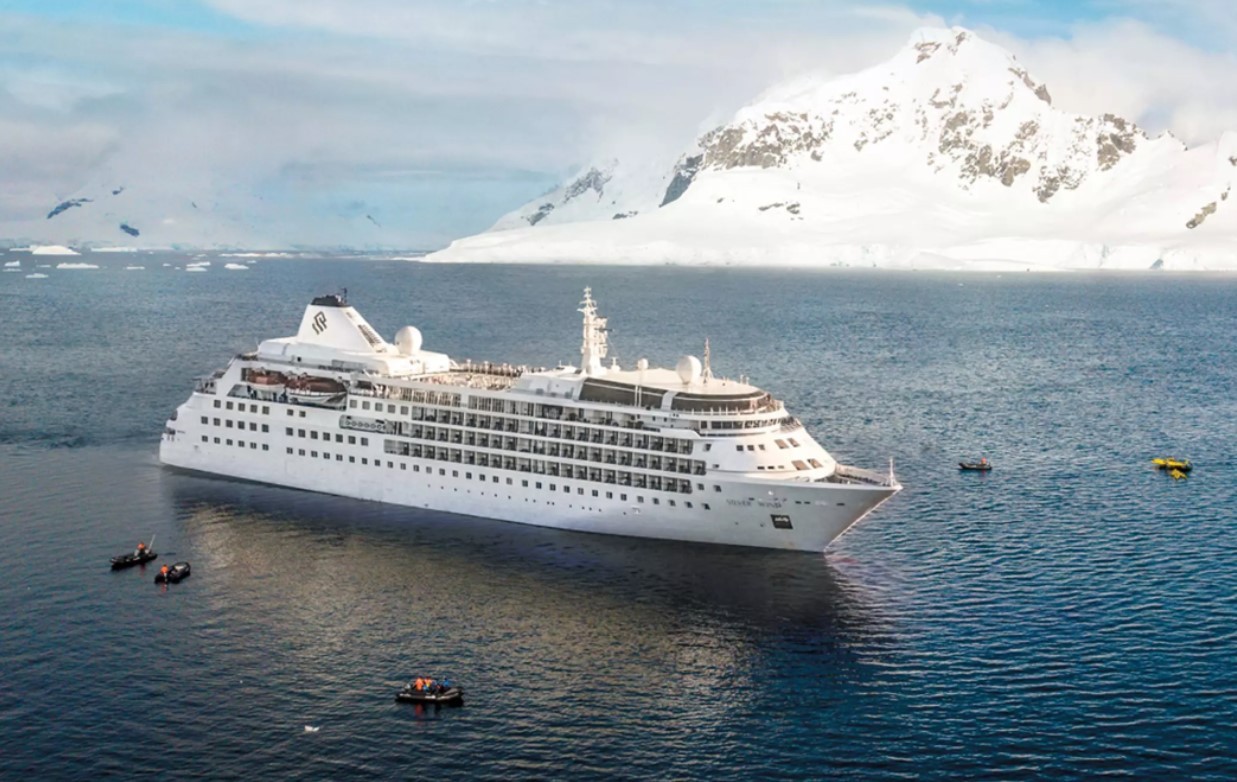
Silver Wind is a refined and versatile expedition cruise ship, combining classic Silversea elegance with cutting-edge expedition capability. Following a major refurbishment in 2018 and a further upgrade in 2021, Silver Wind now boasts a strengthened ice-class hull, making her equally at home in the Polar Regions and sun-drenched tropical ports. With a guest capacity of just 274 and an exceptional crew-to-guest ratio, she offers personalised, attentive service in a luxuriously relaxed setting. Her 24 Zodiac® boats provide a superb platform for immersive exploration, whether spotting wildlife in Antarctica or cruising remote coastlines in comfort.
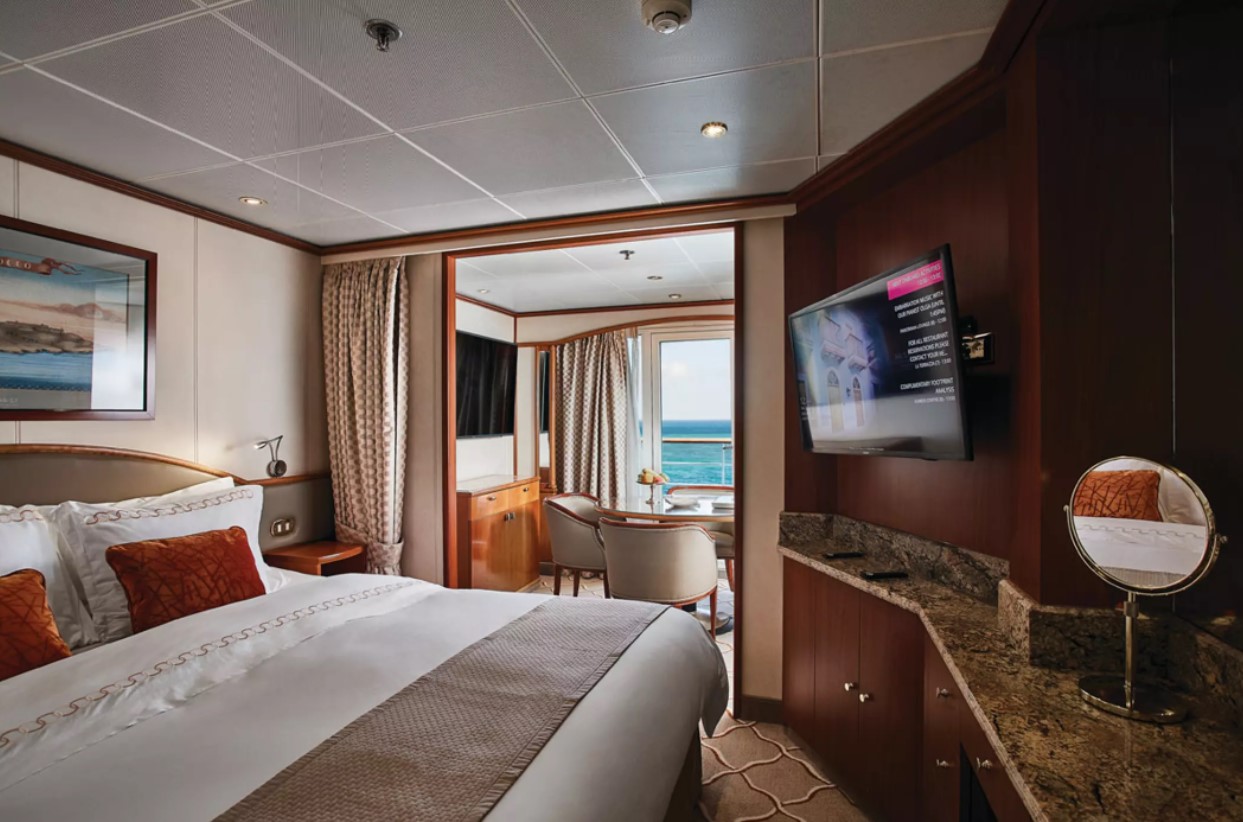
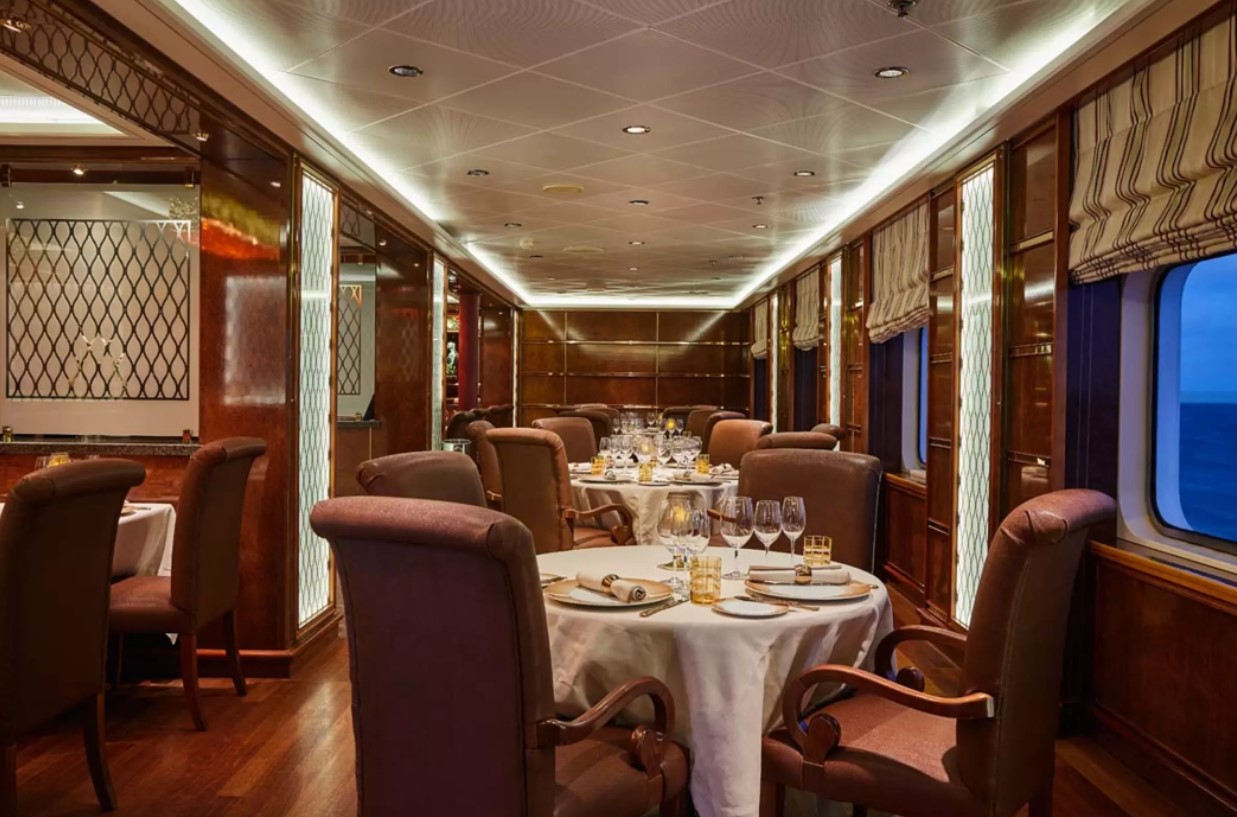
Onboard, guests enjoy a wealth of elegant public spaces and all-suite accommodation, ranging from the spacious Owner’s Suite to the cosy yet stylish Vista Suites. Culinary experiences abound, from authentic Italian cuisine at La Terrazza to open-air dining at The Grill and fine French fare at La Dame. Silver Wind also features multiple lounges, a pool deck, a full-service spa and salon, a fitness centre, and the inviting Observation Library. With its boutique luxury atmosphere, wide-ranging destinations, and upgraded expedition capabilities, Silver Wind offers one of the most adaptable and indulgent cruise experiences at sea.





Inclusions
• All shore excursions (Expedition cruises) or shore excursion credit (Oceangoing voyages)
• Charter flights or overnight hotels (if required by the Expedition itinerary)
• Butler-serviced suites
• Extraordinary dining at up to 14 restaurants
• Onboard entertainment and lectures
Exclusions
• International flights
• Passport and visa costs if applicable
• Travel insurance
• Spa and Salon Treatments
• Complete valet services, including laundry, pressing and dry cleaning, are available at an additional charge
 Luxury Expedition
Our Associates Include


